Hoedspruit: Where to Stay and What to Do in Limpopo
Hoedspruit sits in the water-rich Lowveld of Limpopo, a gateway to wildlife experiences and outdoor adventures. When planning a stay, it helps to balance comfortable lodging with access to nature, wildlife activities, and relaxed dining. The town itself offers a mix of guesthouses, lodges, small hotels, and self‑catering options, many set within native gardens or on wildlife reserves. The surrounding area is ideal for short trips or longer retreats, with opportunities to explore the nearby wildlife reserves, scenic waterways, and the dramatic Drakensberg‑adjacent landscapes that characterise northern South Africa.
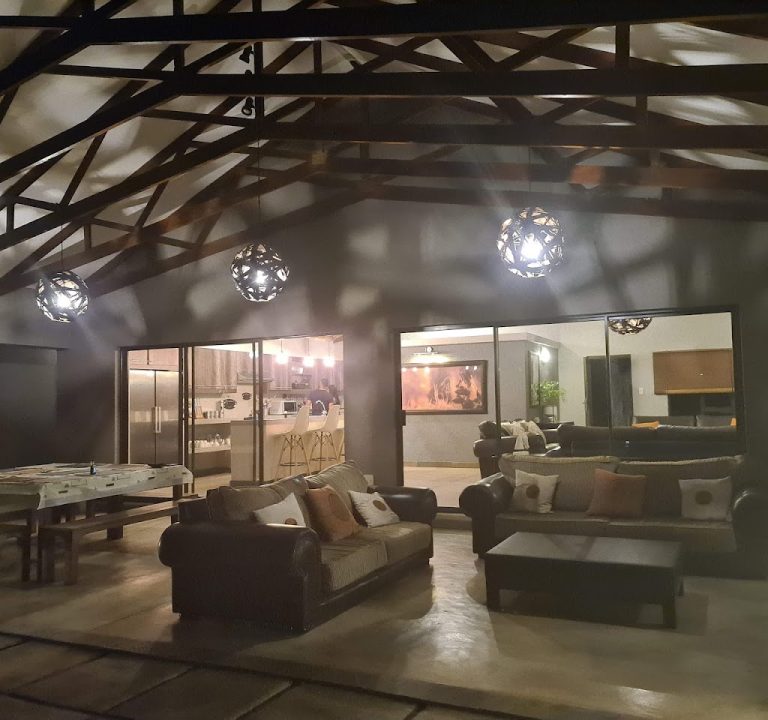
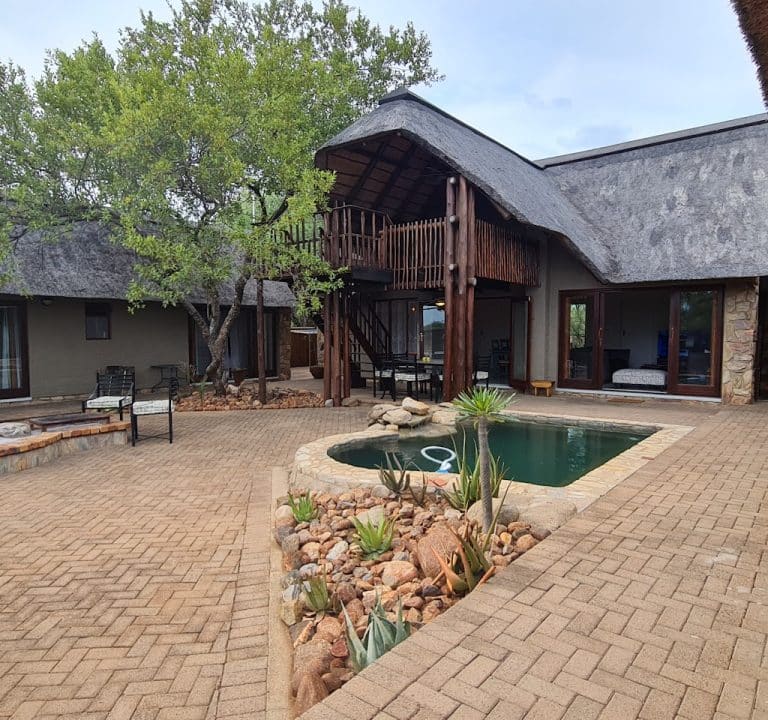
Accommodation in Hoedspruit ranges from intimate guesthouses to purpose‑built lodges and safari‑style retreats. Look for properties that reflect the region’s outdoor ethos: easy access to outdoor spaces, private verandas or balconies, and rooms designed to connect you with the outdoors. For families, self‑catering cottages or units with kitchen facilities can be convenient, while couples may prefer boutique lodges with cosy lounges, communal dining areas, and poolside terraces. If you’re after a wildlife‑centric stay, consider lodges or cottages located on or near reserves, where guided game drives and nature walks are part of the package.
Key areas to consider include the town itself, which provides a convenient base with eateries and shops, and the surrounding reserves and rural lanes that offer a quieter, more immersive wildlife atmosphere. Proximity to Hoedspruit’s airstrip or road routes can influence your choice if you plan to combine your stay with day trips to nearby attractions. For a more secluded feel, look for lodges perched on higher ground or tucked away behind natural vegetation where sound of birdsong and the absence of city lights are part of the appeal.
When booking, consider the following practical aspects. First, accessibility and transport: many visitors arrive by air to Hoedspruit or fly‑in to nearby airports and then drive. Verify whether your accommodation provides airport transfers or secure parking, and confirm road conditions if you intend to explore beyond the immediate area. Second, meal arrangements: some properties include continental breakfast, while others offer full board or on‑site dining with hearty, regional flavours. If you rely on dining out, check nearby options in Hoedspruit town and whether the property can arrange packed lunches for day trips. Third, inclusions and activities: some lodges offer guided game drives, bush walks, or visits to local cultural sites. Clarify what is included versus what costs extra, and ask about suitable activities for your group’s fitness level and interests.
Typical amenities you may encounter include Wi‑Fi, coffee and tea facilities, air conditioning, private bathrooms with hot water, and outdoor spaces like patios or garden loungers. Pools are a popular feature in hot Limpopo summers, while many properties offer shaded verandas and outdoor seating to enjoy the dawn chorus or late‑afternoon light. If you travel with children, check for family rooms, babysitting services, or kid‑friendly activities on offer. Eco‑friendly practices, such as solar power or water‑saving measures, are increasingly common and reflect a respectful approach to the environment that guests appreciate in the bushveld.
Best time to visit Hoedspruit and the Lowveld is influenced by the seasons. The dry season, roughly May to September, often provides cooler days and excellent wildlife viewing as animals congregate around water sources. This period is popular for safaris and outdoor adventures, but it is also the peak tourist season, so expect busier attractions and higher rates. The wet season, from roughly October to April, brings lush scenery and dramatic thunderstorms, plus a higher chance of greener landscapes and migratory birds. Humidity can be higher, and some activities may be weather‑dependent, but few places offer more dramatic sunsets and rejuvenated vegetation. If you plan to visit Kruger National Park or private reserves, book your game drives and park entries well in advance during peak periods.
Activities to consider include early morning wildlife outings, nature walks guided by rangers, birdwatching, and scenic drives along dirt roads that reveal hidden viewpoints. Plant lovers may enjoy botanical walks showcasing indigenous flora, while photographers can benefit from the region’s striking light at sunrise and sunset. For a day trip, you might explore the broader Panorama Route country or visit nearby rivers and dams for fishing or canoeing, depending on water levels and seasonal permits. In the evenings, many properties offer starlit skies, open‑air dining areas, or cosy lounges where you can reflect on your day’s discoveries.
When it comes to dining and local flavour, Hoedspruit offers restaurants and cafés that focus on hearty South African cuisine, with opportunities to sample dishes inspired by the region’s wildlife and agricultural heritage. If you’d like a restaurant‑led itinerary, ask your host for recommendations about nearby venues that offer locally sourced ingredients and seasonal menus. Some guests enjoy short strolls into town after an afternoon of wildlife watching, followed by a quiet meal or a casual drink in a relaxed setting. Always check the accessibility of dining venues, and consider whether you need advance bookings for peak times.
- Plan a stay with a mix of lodge‑style nights and time in town to capture both wildlife immersion and cultural experiences.
- Confirm transport arrangements and accessibility for day trips, reserves, and air connections.
- Choose accommodations with outdoor spaces, wildlife‑friendly settings, and clear sustainability credentials where possible.
- Pack versatile clothing for a range of conditions, including sun protection, light rain gear, and comfortable footwear for walks and drives.
Hoedspruit can be a gateway to a memorable Limpopo experience, combining easy‑going accommodation, authentic regional dining, and access to nature‑rich adventures. With a little planning—considering location, amenities, transport, and seasonal timing—you can design a stay that balances rest, exploration, and the chance to observe South Africa’s remarkable biodiversity in a relaxed, friendly setting.