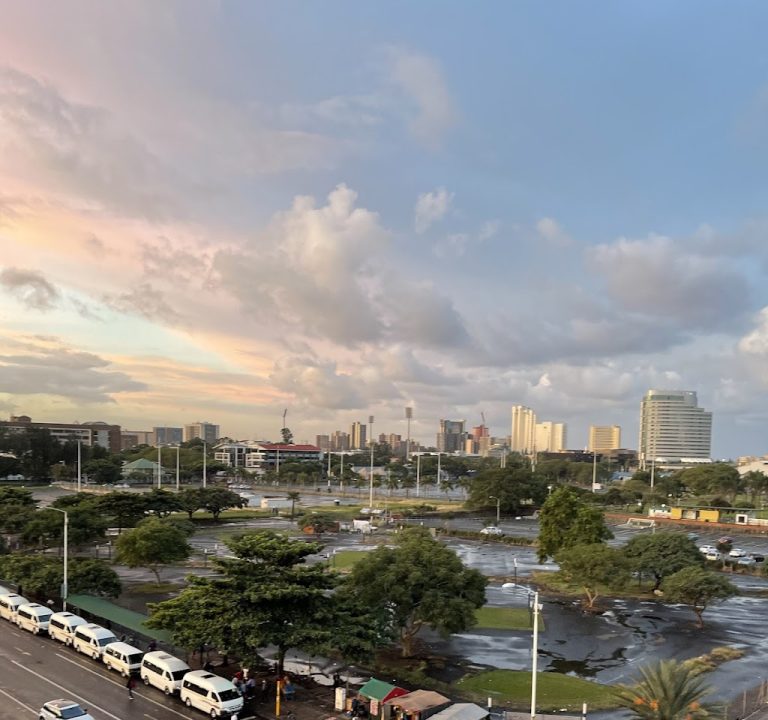
Durban: A Gateway to KwaZulu-Natal – Where Comfort, Culture and coastline Meet
Durban offers a warmly tropical welcome with a mix of bustling city life, sweeping beaches and lush inland scenery. When planning a stay, consider the areas that suit your pace and interests. The Point Waterfront and the central Golden Mile are popular for first‑time visitors who want easy access to beaches, promenades and a lively dining scene. Umhlanga and the nearby La Lucia upscale corridor suit travellers seeking a polished resort atmosphere with excellent beaches and beachside promenades. For a more residential, leafy feel with a strong academic and arts scene, Berea and Glenwood are ideal. If you’re after a quieter break with easy access to nature, the outskirts around the Valley of a Thousand Hills and the nearby hills offer a more relaxed base near nature reserves and scenic viewpoints.
Accommodation in Durban runs from stylish city boutiques to family‑friendly guesthouses, modern apartment hotels and boutique hotels with distinctive character. When booking, look for a few practical essentials. Confirm the size and layout of the room, especially if you are sharing with family or friends. Check whether the property offers free parking or convenient public transport links, which can be a boon in a city where traffic can be busy at peak times. A reliable wifi connection is important for planning day trips and staying connected, while an in‑house or nearby breakfast option can simplify mornings before outings. If you’re seeking a longer stay, self‑catering flats or apartments with kitchen facilities provide flexibility and value. For some, a pool, outdoor seating and a gym might be decisive in a Durban climate that invites outdoor living most of the year.
Practical planning tips for a comfortable stay include knowing transport options. Durban is a city best explored with a flexible plan: Uber and other ride‑hailing services operate widely, while many hotels offer shuttle arrangements or can arrange trusted taxis. Public transport exists, but routes and schedules can be less frequent than in other global cities, so it’s wise to build in a buffer for transfers and day trips. When you’re booking, check the proximity to the coast for beach days, and consider how far you want to be from main attractions, shopping areas, and dining districts. If you’re visiting during the warmer months, plan for sun protection, hydration and a light‑weight wardrobe, as Durban’s climate can be hot and humid in summer, with pleasantly mild winters suitable for outdoor activities and coastal walks.
Typical amenities in well‑managed Durban accommodations include air‑conditioning or fans for comfort, clean en‑suite bathrooms, and everyday conveniences such as tea and coffee facilities, safes, and good quality bedding. Hosts and management often provide helpful local tips on day trips and dining. Some properties offer on‑site restaurants or partnerships with nearby eateries, while others focus on a privacy‑focused stay with continental or full English breakfast options. For families, look for family rooms, extra beds, or suites with separate living areas. If you rely on a car, confirm parking availability and whether there are secure spaces or on‑street restrictions to avoid delays during busy periods.
Durban’s coastline provides a backdrop for many attractions, from long stretches of sandy beaches to the laid‑back ambience of seaside promenades. Beyond the beach, you can enjoy a scenic drive or a guided tour that explores the city’s multicultural heritage, vibrant markets and coastal mangroves. If you’re drawn to natural beauty, day trips into the inland hills, forests and nature reserves offer hiking, camera‑ready viewpoints and the chance to observe wildlife in a relaxed setting. When choosing activities, balance must‑do experiences with downtime to avoid travel fatigue, especially during peak heat or rain seasons.
For dining and meals, Durban presents a diverse culinary scene reflecting its cultural mix. You’ll find everything from casual beachside cafés with grilled seafood and wood‑fired pizzas to contemporary restaurants that showcase modern South African cuisine. It’s wise to reserve ahead during high season or weekends, particularly in popular districts near the waterfront, central business area and in resort zones. If you’re seeking a flavourful beachside lunch or a sunset dinner, most venues offer outdoor seating with sea breezes and easy access to after‑dinner strolls along the promenade.
Best time to visit Durban is generally from late autumn to early spring when conditions are milder and drier for outdoor activities, but the city remains a vibrant coastal destination year‑round. Summer visits are ideal for enjoying the beaches and outdoor markets, while winter brings cooler evenings that are pleasant for city wanderings and cultural events. If you’re planning for peak seasons such as school holidays or public holidays, book accommodation well in advance to avoid limited choices and inflated rates.
One well‑located option worth exploring is The Watt Club (Homii), a boutique hotel experience that combines a contemporary aesthetic with comfortable facilities. For stay details and availability, you can visit their official website at The Watt Club (Homii).
Before you travel, sketch a flexible itinerary that groups attractions by geography to reduce travel time and congestion. Allow for spontaneous discoveries—street markets, craft studios, and coastal viewpoints offer memorable experiences that aren’t always highlighted in guidebooks. Packing a light rain jacket and a sun hat will help you stay comfortable across Durban’s variable coastal weather. With thoughtful planning, Durban can deliver a relaxed beach holiday intertwined with cultural discovery, excellent dining and easy access to the rest of KwaZulu‑Natal’s wonders.
- Consider staying in central, beachfront or leafy residential areas based on your interests and pace.
- Check transport options and proximity to beaches, markets and dining districts.
- Prioritise flexible amenities: parking, wifi, breakfast options, and self‑catering facilities if you value convenience.