Johannesburg: where to stay and what to do in Gauteng
Johannesburg, or Jo’burg as many locals call it, combines a dynamic urban experience with warm hospitality across a range of neighbourhoods. When planning a stay, consider the type of atmosphere you prefer, from leafy quiet to vibrant street life, and how easy it is to access the city’s major attractions. Accommodation options span boutique guesthouses, stylish lodges, modern hotels, and intimate stays in historic suburbs. Each area has its own character and practicalities to help you tailor your itinerary.
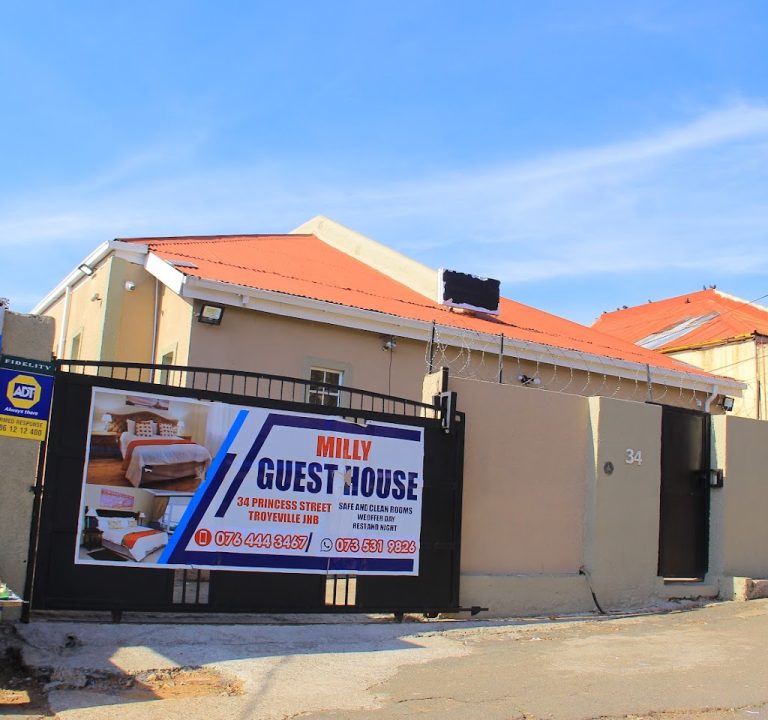
Neighbourhoods to consider include the following. Rosebank and Sandton offer polished, visitor-friendly bases with reliable transport links, easy access to shopping and business districts, and a cornucopia of dining options. For a more artsy vibe, Melville and Maboneng provide walkable streets, independent cafés, and a growing scene of galleries and markets. Braamfontein, close to the University of the Witwatersrand and several cultural venues, is ideal for those who enjoy nightlife, lively eateries and convenient rail links. For a peaceful, leafy stay with a heritage mood, Troyeville and the central suburbs deliver characterful guesthouses and restaurants in a quieter setting while staying within reach of central attractions.
When choosing where to stay, look for clear information on accessibility and safety, particularly if you plan to travel late in the day. Check transport options from your accommodation to the city centre and major sights. Many visitor-friendly stays offer shuttle services or guidance on safe, reputable options for getting around after hours. If convenience is key, you might prioritise proximity to main roads or train stations, while those seeking a more intimate stay may favour small guesthouses or boutique hotels in historic districts.
Typical amenities to expect include secure parking or convenient city-centre access, reliable Wi‑Fi, comfortable bedding, and en-suite bathrooms. A well-rounded option will also provide a 24-hour reception or on-site staff who can assist with securing transport, restaurant reservations, and tips on local attractions. A light-filled lounge or breakfast room, a well-equipped kitchen area, and flexible check-in times can make a big difference to a relaxed stay. If you prefer self-catering, look for a stylish apartment with a living area and well-appointed kitchen, while guests seeking a more pampering experience may look for boutique hotels with in-house dining, spa facilities, or a curated experience program.
Transport options in Johannesburg centre on roads, rail, and ride-hailing services. Uber and similar apps are widely used, and the Gautrain offers fast connections to OR Tambo and beyond for day trips to nearby towns or business hubs. If you plan to explore beyond the central districts, verify that your accommodation is near a convenient link to a taxi-friendly area or a rail stop. For visitors who prefer not to drive, staying within walking distance of markets, museums, and dining precincts can maximise time spent enjoying the city rather than navigating it.
The best time to visit Johannesburg generally aligns with the Southern Hemisphere’s seasons. The dry winter months (May to August) are often pleasant for outdoor exploration, with cooler evenings and lower humidity. Spring and autumn offer mild temperatures and pleasant daylight for walking tours and city-centre discoveries. If you plan to visit popular outdoor attractions or markets, consider avoiding peak holiday periods when crowds surge, and always have a plan for late-afternoon thunder showers in the warmer months.
Practical tips for a smooth stay:
- Research the area around your chosen accommodation to understand safety considerations and the feel of the streets after dark.
- Check for reliable Wi‑Fi, power backup options, and accessible charging facilities in case of load-shedding, which can affect urban services.
- Ask your host or front desk for local transport recommendations, including reputable ride-hailing options or nearby rail stops.
- Plan your day by grouping sights and dining on the same side of the city to minimise travel time.
- Bring a compact adaptor suitable for South Africa’s electrical outlets and keep locally redeemable payment methods handy, as some venues may not accept every card.
- If you have specific dietary needs or want to sample regional cuisine, check ahead with restaurants and ask for recommendations from your host.
Beyond the bed for the night, Johannesburg offers a broad range of experiences. Cultural centres and museums illuminate South Africa’s history and creative scene, while markets and neighbourhood eateries provide opportunities to sample local flavours in a relaxed setting. Architectural heritage, leafy parks, and panoramic city views round out a stay that can be both reflective and energising. For a taste of local hospitality, consider staying in a boutique guesthouse or a heritage-listed property that offers intimate dining rooms or in-house cafés, paired with well-situated access to the city’s evolving arts and culinary landscape. A notable example is The Troyeville, a neighbourhood option noted for its characterful setting and dining scene, which can serve as a convenient base for exploring central Johannesburg; more information can be found at their website: https://thetroyeville.business.site/utm_sourcegmbutm_mediumreferral.
When planning a stay, balance comfort with convenience, and tailor your bookings to how you want to move around the city. With thoughtful choices, your Johannesburg visit can blend relaxed accommodation with easy access to its vibrant dining, cultural, and neighbourhood experiences.