Staying in Thohoyandou, Limpopo: accommodation, attractions and planning tips
Thohoyandou sits in the Limpopo River valley, surrounded by scenic hills and a strong Venda cultural presence. When planning a stay here, consider what neighbourhoods and settings suit your travel style, from tranquil lodge retreats on the outskirts to guesthouse neighbourhoods closer to the town centre. The area’s appeal lies not only in a comfortable bed for the night but in the chance to explore rural landscapes, markets and traditional heritage experiences that reflect the region’s unique identity.
Accommodation options vary widely, but most visitors look for places offering straightforward comfort, reliable security, and convenient access to local sights. Lodges and guesthouses often provide warm, helpful hosts and a sense of place that larger hotels may not. Booking decisions typically hinge on a combination of location, creature comforts, and value for money rather than sheer luxury. When planning, start by identifying what you want from your stay: a quiet base with easy access to nature, convenient access to town amenities, or a mix of both with opportunities to join guided village or cultural experiences.
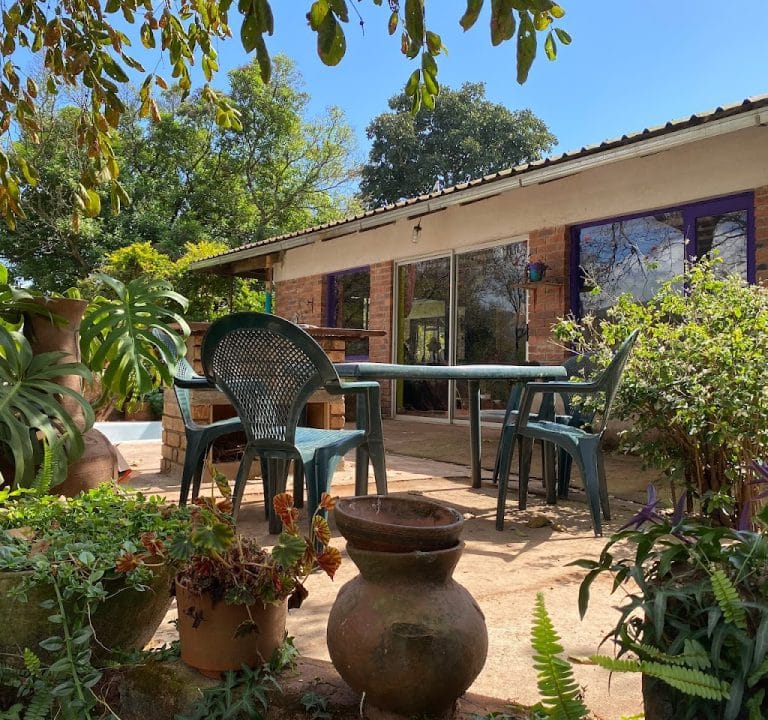
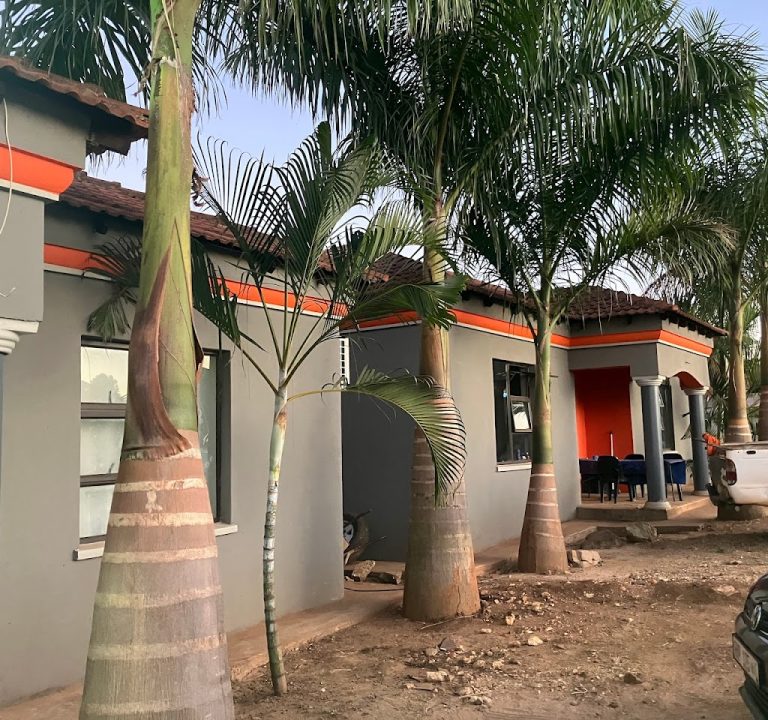
Areas to consider include central Thohoyandou, where guesthouses and small hotels are often within easy walk or short drive of markets, eateries and transport links. If you prefer a more secluded backdrop, look for lodges or guesthouses on the edge of the town or in the surrounding countryside, where porches or verandas offer sunset views and a peaceful atmosphere after busy days out exploring.
Typical amenities to look for include reliable Wi‑Fi, secure parking, and personal touches such as homemade breakfast, tea and coffee facilities, and information on local transport options. Many accommodation providers in this region offer a warm, laid‑back welcome and are happy to assist with practical tips for getting around, arranging local day trips, or connecting guests with culturally rich experiences. If you rely on a rental car, check whether you can park on-site and whether the property has enough space for safe vehicle storage. If you prefer to rely on local transport, verify access to taxi services or convenient routes into town, especially for early departures or late return plans.
Transport in and around Thohoyandou is typically best handled with a car for flexibility, though taxis and organised tours can be arranged for short trips to markets or nearby landmarks. When you book, confirm the nearest pick‑up point, driving times to the attractions you wish to visit, and whether the property offers shuttle options. If you’re visiting during peak travel periods or school holidays, it’s wise to book well in advance to secure the best choice of rooms and rates.
The best time to visit Thohoyandou is influenced by weather and regional events. The area experiences warm summers with summer showers and cooler, dry winters. If you’re seeking outdoor activities such as nature walks or village tours, the dry season often affords clearer skies and drier paths. For cultural experiences and markets, mid‑year timings can be busy but vibrant, with opportunities to engage with local crafts and cuisine. Pack versatile clothing suitable for warm days and cooler evenings, plus a light layer for sudden changes in weather. A sun hat, sunscreen and comfortable walking shoes are practical staples for days spent exploring both town and surrounding countryside.
When planning a stay, practical considerations matter as much as comfort. Check the booking policy for cancellation terms, especially in regions where weather or travel disruptions can occur. Read guest reviews to learn about consistency in cleaning, the responsiveness of hosts, and the accuracy of your chosen room type. If dietary needs or accessibility requirements apply, confirm with the host ahead of arrival to avoid surprises. For attached or shared spaces, ask about quiet hours and privacy so you can tailor your itinerary to how you like to travel.
Exploring the area can be as rewarding as unwinding in your accommodation. In general terms, visitors can expect a range of experiences from local craft markets and traditional eateries to landscape walks and nature reserves nearby. While specific venues can change, exploring the town’s markets and streets often yields opportunities to observe daily life, sample regional snacks, and pick up handmade crafts. For those who enjoy a nature‑led trip, the surrounding countryside offers open spaces and gentle trails that reveal rural vistas and birdlife. If you’re planning to dine out, most restaurants focus on comforting, well‑built meals with a nod to South African flavours and local produce. Always ask hosts or reception staff for current recommendations and the best way to access any seasonal specials or events happening during your stay.
As a practical note, include a short list of items to bring: a compact first‑aid kit, spare batteries or chargers, a reusable water bottle, and a small daypack for excursions. Having local currency or a widely accepted card for purchases at markets and small eateries will speed up transactions. If you are staying in a lodge or guesthouse, you might find that some experiences can be arranged directly through your host, offering a seamless way to join guided nature walks, village visits, or cultural demonstrations without needing to organise everything independently.
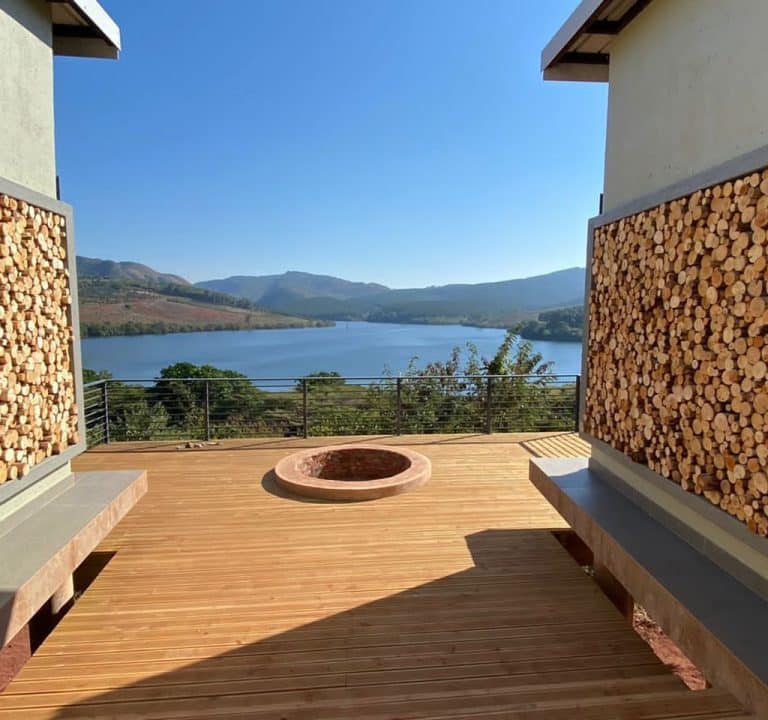
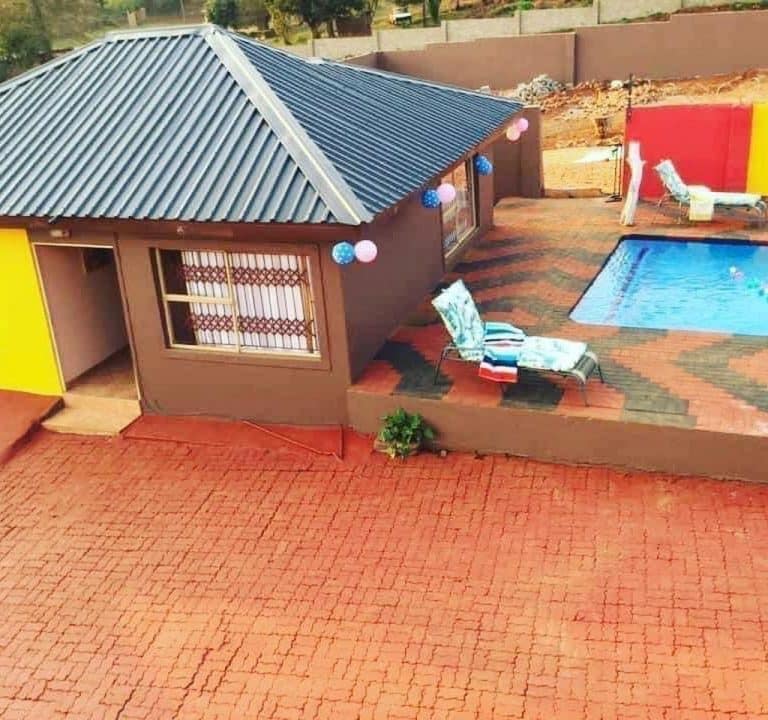
Accommodation in Thohoyandou ranges from simple, well‑kept guesthouses to more expansive lodges with picturesque settings. The Thathe Dam Lodge, for example, represents a lodge option in the area, offering a base from which to experience the region. Regardless of where you stay, a well‑planned visit combines restful nights with daylight explorations, enabling you to enjoy the landscape, engage with local culture, and sample the regional hospitality at its best. For more information on specific properties and current listings, consider checking reputable booking platforms or regional tourism guides to tailor your stay to your interests and budget.