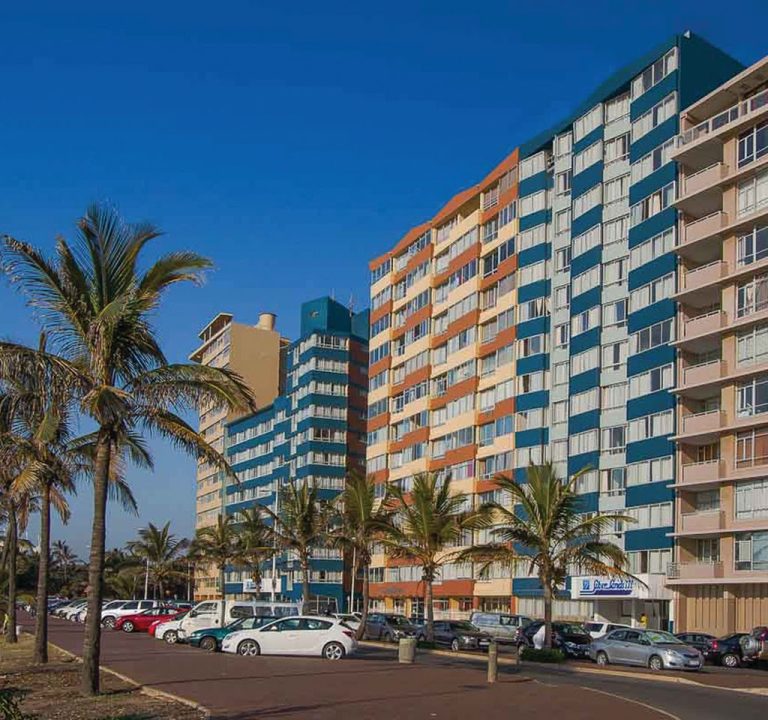
The Spinnaker is a Self-catering accommodation establishment in Durban, KwaZulu-Natal, South Africa
About The Spinnaker, Durban
The Spinnaker in Durban, KwaZulu-Natal, presents itself within a broader landscape of hospitality and traveller experiences. The material provided largely centres on a software platform named Spinnaker, designed for application management and deployment. While the latter is well-established in its own field and aimed at high-velocity releases and multi-cloud environments, it does not offer specific information about a guesthouse, hotel, or lodging operation in Durban. Consequently, any description of accommodation style, on-site facilities, room types, policies, pricing, or local attractions related to The Spinnaker should be approached with caution and framed in terms of high-level expectations rather than definitive claims.
From a traveller’s perspective, the strength of a stay in Durban often lies in a combination of comfortable spaces, convenient access, and experiences that reflect the city’s coastal character and cultural richness. In cases where exact details about a particular property may be unclear, visitors typically look for a welcoming base that supports easy arrival and departure, offers reliable essentials, and provides a sense of place that harmonises with the surrounding neighbourhood. This overview focuses on those broad considerations, rather than prescriptive specifics, to help potential guests form a clear sense of what to expect and how to plan effectively.
For accommodation seekers, the essential considerations include the overall ambience of the property, the quality of sleeping arrangements, cleanliness, and the availability of practical amenities that support a smooth stay. In Durban, a traveller-friendly option often emphasises straightforward access to transport links, proximity to beaches or waterfront areas, and the ability to explore local markets, eateries, and cultural venues with ease. When exact details about a property’s facilities are not stated, it is sensible to prioritise clarity on core comforts (such as a clean, comfortable room; reliable housekeeping; and a dependable check-in process) and to verify what is available on site before finalising plans.
As for the booking experience, the available information points to a straightforward online presence, with potential guests encouraged to consult the official website for additional context. While direct contact details are limited in the supplied material, a property’s website usually serves as a primary conduit for essential information, including how to begin a reservation, where to find a map or directions, and potential links to further guidance on nearby attractions and local tips. Prospective visitors should be prepared to review terms and policies carefully, as well as any updates related to availability or seasonal considerations.
In terms of the character of the area, Durban combines a vibrant coastal atmosphere with a diverse urban scene. Visitors commonly enjoy a blend of seaside recreation, botanical spaces, and a range of dining and entertainment options. For those seeking a balanced itinerary, it is wise to plan a mix of downtime within the accommodation and day trips to nearby coastal or cultural highlights. When the specific property details are not clearly stated, travellers can still craft a rewarding stay by prioritising locations that offer easy access to transport hubs, flexible dining options, and opportunities to encounter the city’s unique rhythms—without over-relying on a single site for definitive guidance.
Booking and travel tips for Durban-based stays in general include verifying current availability during peak seasons, checking cancellation policies, and confirming what is included in the rate (such as breakfast or safe, convenient parking). It is also helpful to review guest feedback on aspects like quietness, accessibility, and the responsiveness of the host or management team. Navigation around the city is often facilitated by clear directions, nearby amenities, and the comfort of a well-equipped room that supports restful nights after days spent exploring the area.
- When in doubt, start with the property’s official website for quotes, availability, and policies.
- Consider the practical logistics of arrival, transit to key sights, and potential peak pricing periods.
- Balance downtime with discoveries by selecting spaces that provide a restful base alongside easy access to local experiences.
In summary, while the exact accommodation details for The Spinnaker in Durban cannot be confirmed from the provided material, the broader considerations outlined here equip travellers with a framework for evaluating a stay. By focusing on core comforts, reliable service, and convenient access to Durban’s coastal and cultural attractions, guests can approach their itinerary with confidence. For those seeking further insights, the property’s official website remains the most reliable resource to obtain up-to-date information and booking options.
Further information can be explored via the official site: Spinnaker.
Durban
KwaZulu-Natal
4001
South Africa

Durban itineraries: where to stay, what to do, and how to plan a memorable visit
Durban, on KwaZulu-Natal’s tropical coast, blends laid‑back beach vibes with vibrant city life. For travellers seeking accommodation that suits a relaxed escape or a convenient base for exploring the region, there are self‑catering apartments, guesthouses, and hotels to fit a range of budgets and preferences. Whether you prefer a sparkling coastal view, a leafy suburb with easy access to shops and eateries, or a modern apartment near the harbour, Durban offers options that cater to different styles of travel.
Area by area, here are the main considerations when planning where to stay. The Golden Mile and central beachfront deliver easy beach access, a lively tourist scene, and plenty of dining options. The historic Berea neighbourhoods offer a leafy, residential feel with classic colonial architecture and period charm. Umhlanga and the forward‑thriving coastal corridors provide a more contemporary hotel and apartment scene, often with scenic sea views and convenient transport links. For families or longer stays, residential areas with self‑catering accommodation can be a practical choice, placing you within reach of beaches, parks, and shopping centres.
Key features to look for when booking a place in Durban include:
- Proximity to beaches, nightlife, and restaurants, and the ability to walk or cycle to destinations
- Amenities such as a well‑equipped kitchen, laundry facilities, secure parking, and reliable connectivity
- Air conditioning or ceiling fans for the subtropical climate, plus good heating for cooler evenings
- Access to on‑site facilities like a pool, gym, or communal areas, and whether these are shared or private
- Child‑friendly features if travelling with little ones, such as cots, high chairs, or shaded outdoor spaces
Typical Durban accommodation ranges from compact self‑catering flats to spacious guesthouses and contemporary hotels. Self‑catering options are particularly appealing for longer stays or groups, allowing you to tailor meals and daily rhythms. In popular beachfront areas, rooms and apartments with verandah or balcony spaces let you enjoy sea breezes and sunset views. Always confirm the size of beds, whether kitchens are fully equipped, and the ethics of housekeeping schedules in advance to avoid any surprises during your stay.
Transport in Durban is reasonably straightforward. The city is well connected by major roads, and many areas offer convenient access to beaches and entertainment districts. If you are staying near the coast, walking opportunities and bike hires can be a pleasant way to get around. For longer distances, taxis, ride‑hailing services, and organised tours are common; if you plan day trips to inland attractions, check whether your accommodation offers a shuttle or can arrange transfers. When booking, verify parking arrangements if you are driving and consider the convenience of a ground‑floor or lift access if you have heavy luggage.
The best time to visit Durban generally aligns with its warm climate. Summers (roughly November to March) can be hot and humid, with the humid air sometimes bringing afternoon showers. Winters (June to August) are mild and drier, making it a comfortable season for walking in the city and enjoying outdoor cafés. Travellers should note that coastal weather can be changeable; packing sun protection, a light rain jacket, and a cardigan for cooler evenings is sensible year‑round. If you’re visiting for wildlife or nature experiences, plan some indoor activities for anticipated rain days, and keep a flexible itinerary so you can respond to the elements.
Durban offers a rich range of visitor experiences beyond the beach. You can expect lively markets with local crafts and foods, opportunities to learn about the heritage of the city, and a choice of family‑friendly attractions and nature escapes nearby. Dining options vary from casual Durban‑style eateries to refined venues that showcase regional produce. For planning purposes, it helps to map out a few “anchor” days—one focused on the coast with a waterfront stroll, another exploring a historic neighbourhood, and a day for a nature or wildlife experience a short drive away. Always check opening hours and seasonal public holidays, as schedules can change outside peak tourist periods.
If you are looking for a well‑rounded stay, consider layering your trip with a blend of accommodation types. A beachfront base can be excellent for mornings by the sea, while a central or leafy suburb can offer easy access to shops, markets, and a quieter evening routine. For those seeking convenience, many properties advertise flexible check‑in times, self‑check‑in when available, and secure access to facilities, which can make arrival and departures smoother.
Useful planning tips:
- Book a place with a clear cancellation policy that suits the travel timeframe and potential changes.
- Read guest reviews focusing on location accuracy, cleanliness, and the responsiveness of hosts or management.
- Clarify what is included in the price—whether it covers parking, electricity, and air conditioning usage, especially in summer.
- Look for properties with cooking facilities and laundry to support a comfortable extended stay.
- Explore a mix of accommodation types within the same trip to experience different aspects of Durban.
Durban’s accommodation scene can be paired with a host of attractions and dining experiences that highlight the city’s coastal charm and vibrant culture. For a coastal city with a warm welcome and a wide range of options, Durban remains a versatile choice for travellers seeking sunshine, sea, and a lively urban rhythm. To start planning your stay, browse reputable accommodation providers and read current visitor guides for ideas on day trips, markets, and family‑friendly activities that suit your interests and pace.
Sorry, no records were found. Please adjust your search criteria and try again.
Sorry, unable to load the Maps API.
Why Claim Your Listing?
Claiming your listing on the B&B Finder directory website is a valuable opportunity for business owners. Here are five reasons why you should consider claiming your listings:
Control Over Business Information: By claiming their listing, business owners can ensure that all the information presented is accurate and up-to-date. This includes details such as contact information, address, pricing, and available services or amenities. Accurate information helps prevent customer confusion and improves overall satisfaction.
Enhance the Listing: Once a listing is claimed, owners can enhance it by adding more comprehensive information and rich media, like high-quality photos and videos. These additions can make the listing more attractive and engaging to potential customers, thereby increasing the likelihood of bookings.
Marketing Opportunities: Claiming a listing can also open up additional marketing opportunities. Owners may be able to participate in promotional campaigns, special offers, and other marketing activities organized by the directory. This can increase visibility and attract more customers to the business.