Staying in Onrus: accommodation, attractions and planning tips
Onrus, a coastal enclave along the Western Cape near Hermanus, offers a relaxed mix of holiday homes, guesthouses and lodges that suit couples, families and travellers seeking a slower pace with easy access to sea and scenery. The area is characterised by white-sand beaches, rocky coves and a backdrop of rugged fynbos slopes. When planning a stay, consider not just a place to sleep but how you will move around, what you want to explore each day and how you prefer to wind down in the evenings.
Areas to consider for your stay
- Onrus Strand and the coastal strip: ideal for beach walks, morning runs along the shore and quick access to sea views. Lodges and self-catering cottages in this area often offer outdoor spaces and close proximity to the coast.
- The village and inland pockets: slightly more sheltered from sea winds, with a choice of guesthouses and small inns that put you within easy reach of local eateries and a short drive to nearby coastal reserves.
- Access routes and parking: if you plan day trips further along the coast or into the Overberg, check whether the property provides parking or has convenient access to limited traffic routes. Proximity to main roads can save time on longer excursions.
What to look for when booking
- Space and layout: consider whether you need a private entrance, a furnished kitchenette, or a living area for a compact family stay. Self-catering options can be especially handy for longer visits.
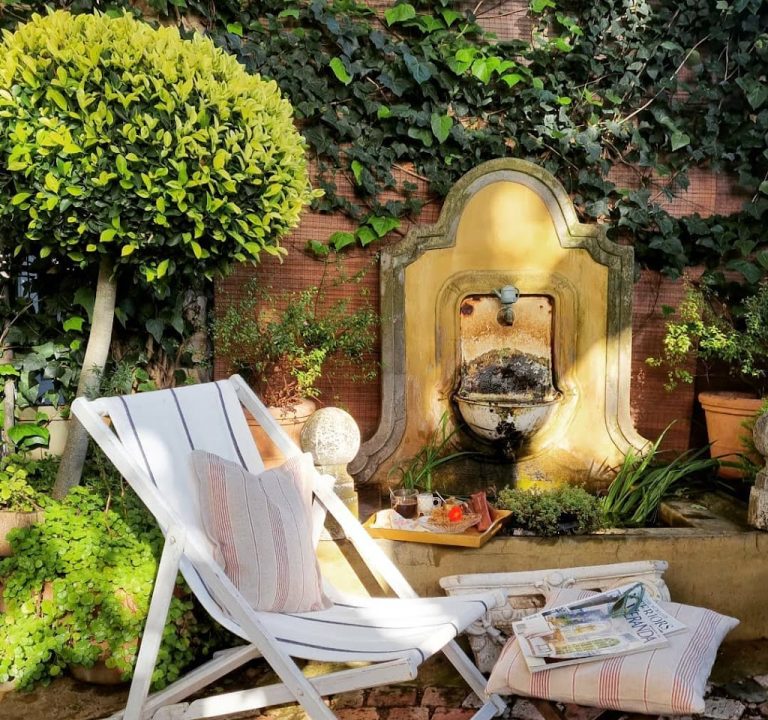
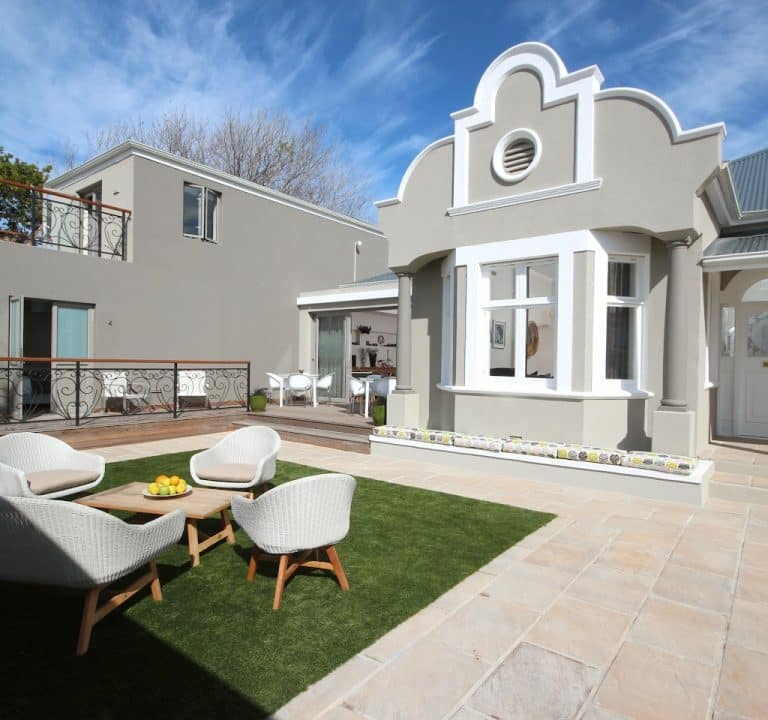
- Outdoor features: many properties in Onrus boast decks, braai (barbecue) spaces, or garden seating with sea glimpses—worth prioritising if you want al fresco meals or a sunset drinks spot.
- Privacy and soundscape: beachside locations are wonderful, but some travellers value quiet courtyards or hillside nooks that minimise road and beach activity.
- Amenities and inclusions: check for reliable wifi (especially if you’re working remotely or streaming), laundry facilities, heating or cooling as appropriate for the season, and whether daily housekeeping is offered.
- Transport and access: a short drive or walk to the beach is lovely, but also consider if the property is comfortable to reach with luggage, and whether you’ll need a car for most activities.
Typical amenities you may encounter
- En-suite or shared bathrooms with modern fittings
- Fully equipped kitchens or kitchenettes, plus dining spaces
- Outdoor terraces, balconies, or lounging areas with sea or garden views
- Parking on-site or nearby, sometimes with secure access
- Heating for cooler months and fans for warmer days
- Basic recreational options such as kayaks, bicycles or nearby beach gear storage
- Local information and guest assistance, including maps and suggested itineraries
Transport within Onrus and beyond
Onrus is best explored with a car, giving you maximum flexibility to reach beaches, coastal trails and the nearby townships or nature reserves. Public transport is limited in the immediate area, so prior planning helps—think about where you’ll fuel up, store groceries, and book any guided experiences. If you prefer not to drive, some guesthouses arrange transfers or provide detailed guidance on local taxi services. Once you have wheels, you’ll be able to venture along the coast to viewpoints, protected coves and the wider Hermanus area, known for whale-watching season and charming markets.
When to visit
- Spring (September to November) and autumn (March to May) offer mild weather, fewer crowds and pleasant coastal walks.
- Summer (December to February) is lively with beach days and long light evenings, but can be busier and pricier.
- Winter (June to August) brings cooler sea breezes and quieter beaches; it’s a good time for those who prefer a peaceful stay and cosy evenings indoors.
- Whale watching season in nearby waters often drives interest in the area, so timing your trip to align with marine activity can enrich your itinerary.
Activities and experiences in general terms
- Beach days and coastal walks: Onrus has stretches that suit both long strolls and shorter seaside ambles, with opportunities to pause at viewpoints along the way.
- Nature reserves and scenic drives: a short drive can bring you to bluffs, viewpoints and protected areas where walking trails reveal fynbos landscapes and coastal geology.
- Dining and casual eateries: you’ll find informal spots offering simple seafood, pastas and seasonal dishes, with a focus on fresh, local ingredients. Many places offer relaxed settings with sea views or garden seating.
- Arts, crafts and local culture: small galleries and craft shops can be found in nearby towns, showcasing local makers and a taste of the Overberg’s creative scene.
- Family-friendly and relaxed pacing: the area tends to favour low-key experiences, making it easy to combine beach days with light sightseeing and downtime.
Planning tips for a comfortable stay
- Book with flexible terms where possible, to adapt to weather or changing itineraries.
- Confirm bed configurations and whether you’ll have a private entrance, as this can impact privacy and ease of access.
- Check for inclusive essentials such as WiFi, laundry facilities, and kitchen equipment, to decide whether you’ll self-cater or dine out each day.
- Pack layers for variable coastal conditions, plus sunscreen, hats and sturdy footwear for walks and short hikes.
- Build a light itinerary with a mix of beach time, scenic drives and a couple of restaurant bookings or takeaway plans to avoid peak-season rushes.
One notable example of lodging in Onrus is The Small Gallery And Rooms, which offers a compact, individualised stay with a focus on a calm coastal ambience. While Onrus has a range of accommodation—from intimate guesthouses to self-catering cottages—the best approach is to choose a property that aligns with your preferred pace, whether that’s a gentle seaside escape or a base for longer explorations along the Western Cape coast. For more information, explore the official tourism pages and the individual lodging sites to see what best fits your travel dates and interests.