Accommodation and a Practical Guide to Staying in Park Rynie, KwaZulu-Natal
Park Rynie, on KwaZulu-Natal’s Dolphin Coast, offers a relaxed base from which to explore the region’s beaches, estuaries and friendly coastal towns. The settlement is known for its sand flats and tidal pools, with easy access to longer coastal drives and inland hills. When planning a stay, visitors typically weigh a mix of waterfront lodges, intimate B&Bs and self-catering options, each with its own character and set of conveniences. This guide highlights what to look for when booking, how to move around, and what to expect from a satisfying Park Rynie getaway.
Areas to consider when choosing where to stay include proximity to the main beaches, access to quiet residential streets, and the readiness of on-site amenities. Some visitors prefer a stay closer to the winding coast where sunrises greet the sea, while others opt for more inland locations that offer brighter garden spaces and a calmer ambience. If you value practical conveniences, look for properties with on-site parking, reliable wi‑fi, and easy access to nearby shops or cafés. For a more immersive experience, consider homely guesthouses or small lodges that reflect local hospitality and cuisine, rather than large, impersonal hotels.
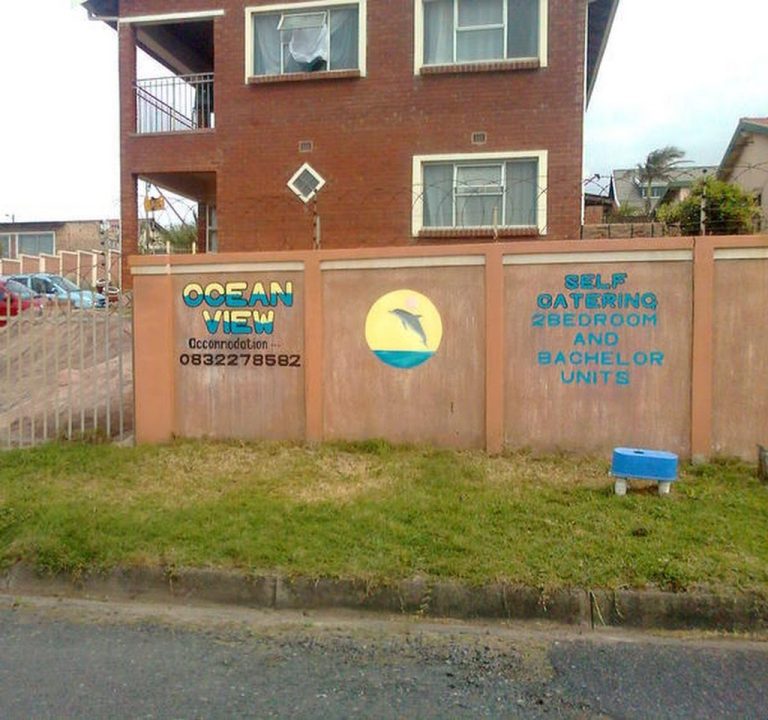
Typical accommodation options in Park Rynie span a spectrum from self-contained units to guesthouse rooms and boutique lodges. You may find properties that include private entrances, kitchen facilities, and comfortable living areas, as well as shared lounges, swimming pools, and outdoor seating. When booking, consider the following aspects:
- Location relative to the coast and preferred activities (beach walks, water sports, nature trails).
- Accessibility and parking options, especially if you plan day trips or have a car rental.
- Self-catering capabilities versus full-service breakfast or dinner options.
- Wind and sun exposure in outdoor spaces, which can affect comfort during certain seasons.
- Guest reviews focusing on cleanliness, security, and the responsiveness of management.
Typical amenities you might encounter include private or shared bathrooms, well-equipped kitchens or kitchenette facilities, air conditioning or fans for humidity control, and outdoor spaces such as verandas or gardens. A good property will provide clear information on check-in procedures, key collection, and waste disposal arrangements, as well as safety features like secure entry and adequate lighting. If you are travelling with children or pets, confirmation of suitability and any restrictions is essential before booking.
Transport around Park Rynie is straightforward for those with their own vehicle. The area is best explored by car, with a scenic coastal route that can be enjoyed at a relaxed pace. Local taxis or ride-sharing options are available in some parts of the broader region, but having a car gives you the most flexibility for late departures to beaches or nearby nature reserves. If you’re flying in, the closest major hubs typically offer road connections via regional centres, followed by a short coastal drive to Park Rynie. When planning day trips, factor in the time needed to soak up beach walks, estuary views and casual village life along the route.
The best time to visit Park Rynie aligns with the mild coastal climate of KwaZulu-Natal. Summers can be warm and humid, often with afternoon sea breezes, while winters are usually pleasant and tend to be less crowded. For outdoor activities, consider the milder shoulder seasons when temperatures are comfortable for long beach strolls and sightseeing without peak-season crowds. The area’s natural beauty—such as estuary scenery, tidal pools and coastal dunes—is accessible year-round, making it a good option for both spring and autumn escapes, as well as family holidays in school breaks.
When planning activities, balance time between relaxation and gentle exploration. Beach days, a stroll along promenades, and wildlife observations around estuaries are popular, with opportunities for birdwatching, fishing, or simply enjoying the sound of the sea. In the vicinity, you can expect a range of visitor-friendly experiences that showcase local hospitality and culture—soft adventures for families and longer, more contemplative walks for couples or solo travellers. Dining in the area tends to feature relaxed seafood-focused options and contemporary twists on regional favourites. Look for venues that emphasise fresh, locally produced ingredients and friendly, unpretentious service. Many establishments offer open-air seating and views towards the coast, which enhances a laid-back day by the sea.
Practical planning tips to help you make the most of your stay:
- Book accommodation well in advance for peak holiday periods, and confirm access to on-site parking and security features.
- Check for essential conveniences such as reliable wi‑fi, laundry facilities, and kitchen equipment if you plan self-catering.
- Pack light and breathable clothing for warm days, plus a light jacket for cooler evenings near the coast.
- Bring sun protection, a hat, and water bottle for easy beach and estuary excursions.
- Explore nearby coastal towns for a broader sense of the region’s cuisine, markets and crafts, while keeping Park Rynie as a restful base.
For a starting point, consider browsing a variety of accommodation styles that suit your travel pace and budget. Properties with easy access to the main beaches, yet offering privacy and comfortable living spaces, tend to provide the best balance for most visitors. If you wish to explore more options along the coast or near parks and reserves, you can visit the Seaside property page for inspiration and practical details about staying near the KwaZulu-Natal coast: The Seaside.
In summary, Park Rynie offers a friendly, coastal experience with diverse lodging to match different styles of travel. With thoughtful planning, you can tailor your stay to enjoy restful days by the water, gentle explorations of the surrounding scenery, and uncomplicated access to local dining and amenities. A well-chosen base will enhance your ability to unwind while discovering the understated charms of KwaZulu-Natal’s coastline.