Where to Stay and What to Do in Kimberley, Northern Cape: Accommodation, Dining and Local Experiences
Kimberley is a city steeped in history and surrounded by wide, rugged landscapes. Whether you are seeking a comfortable guesthouse, a character-filled lodge, or a convenient base near the city’s key sights, Kimberley offers a range of stays that combine easy access with welcoming hospitality. When planning your visit, consider a few practical points about areas to stay, typical amenities, and how best to move around the region.
Areas to consider for accommodation include the historic heart of Kimberley, where characterful guesthouses and small hotels sit close to museums, markets and the city’s famed mining heritage. Suburban and residential pockets provide quieter stays with easy parking and longer drives to attractions, making them ideal for travellers who prefer a peaceful night’s sleep after a day out. If you are visiting during the summer months or over weekends when tourism is busier, booking ahead at central or well-connected stays can help secure convenient access to sights, eateries and evening entertainment.
When you are choosing where to book, look for a few reliable hallmarks of a comfortable stay. Clean, well-maintained rooms with complimentary essentials such as tea and coffee making facilities, a daily housekeeping service, and secure parking are useful. A guesthouse or lodge that offers on-site dining, friendly reception, and helpful local tips can make a significant difference to your itinerary. If you prefer a self-contained option, many guesthouses provide kitchen or kitchenette facilities, which can be a practical choice for families or travellers on a longer stay. Free or reasonably priced Wi‑Fi, courtesy shuttle services, and wake-up calls are also helpful extras to consider when planning your days out.
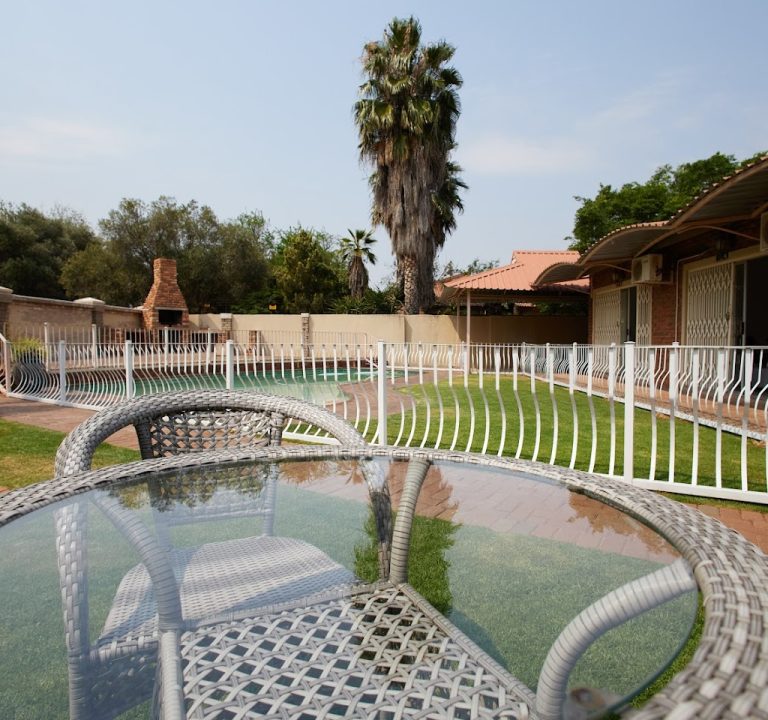
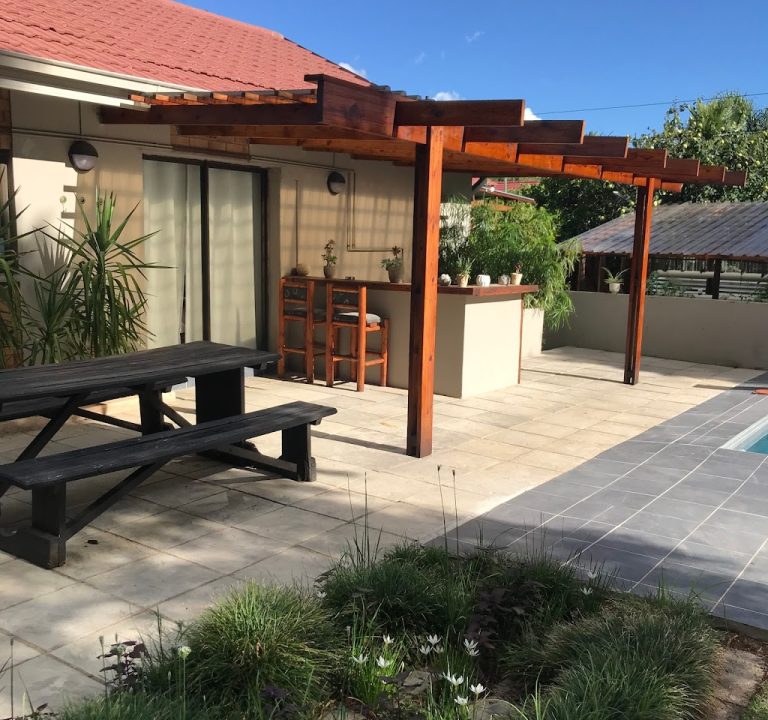
Typical amenities to look for include en-suite bathrooms, air conditioning or fans for Kimberley’s warm climate, and reliable heating for cooler winter nights. A swimming pool or outdoor seating area can be a welcome feature in the hotter months, offering a place to relax after sightseeing. Breakfast is a common highlight of many guesthouses, ranging from hearty full-English-inspired options to lighter continental choices. If you have dietary requirements, check whether the property can accommodate them in advance. For business travellers or those needing work space, consider a room with a writing desk or quiet corners in the house where you can work undisturbed.
Transport in Kimberley is straightforward for most visitors. The city is accessible by road, rail, and air, with a regional airport serving domestic flights. Within the city, a car is often the most convenient way to reach far-flung attractions and day trips, though many accommodation providers offer secure parking or easy access to taxi and ride-hailing services. For those who prefer not to drive, ask ahead about guided tours or shuttle options offered by the guesthouse or nearby tour companies. Getting around on foot is feasible in the historic core, where compact streets and close-proximity sights invite relaxed day trips.
The best times to visit Kimberley are during the milder seasons, typically spring (September to November) and autumn (March to May). These periods offer comfortable temperatures for outdoor activities such as museum visits, strolls through heritage areas, and short excursions to nearby landscapes. Summer can be hot, so plan accordingly with shade, hydration, and flexible itineraries. Winter evenings can be chilly, making a cosy guesthouse with a good heater or fireplace an appealing option. If you are planning a longer stay, check the seasonal events calendar for markets, cultural performances or historical exhibitions that can enrich your visit.
Top activities and experiences in Kimberley are largely outdoors and museum-led. A visit to the city’s most famous diamond-related landmark is recommended, with opportunities to learn about Kimberley’s mining history and engineering feats. The local railway museum provides a glimpse into transport history and colonial-era engineering. Nearby battlefields and memorials offer context to the region’s historical moments, and day trips into the surrounding Karoo hinterland reveal striking scenery and open skies. For a lighter day, a stroll through centre-city streets, with opportunities to browse artisan shops and quaint cafes, pairs well with a relaxed afternoon at a historic hotel or guesthouse.
When it comes to dining, Kimberley’s restaurant scene tends toward hearty, comforting fare and regional flavours. Expect traditional dishes, well-prepared grills, and contemporary menus that capture local character. Many guesthouses partner with nearby eateries to provide planned breakfast options or recommended dining routes for evenings out. If you prefer self-catering on occasion, a stay with kitchen facilities and nearby markets for fresh groceries is ideal. General guidance is to book dinner reservations during peak periods and to sample a mix of casual venues and more refined options to balance your days of exploration.
Useful tips for planning your stay:
- Book central or well-connected properties if you want to minimise time spent commuting to sights.
- Ask about private parking, security, and late-check options if you plan late arrivals or early departures.
- Check for included breakfast and dietary accommodation beforehand.
- Consider a stay with a pool or outdoor area for downtime between activities.
- Look for properties with a local knowledge guide or staff who can tailor day trips to your interests.
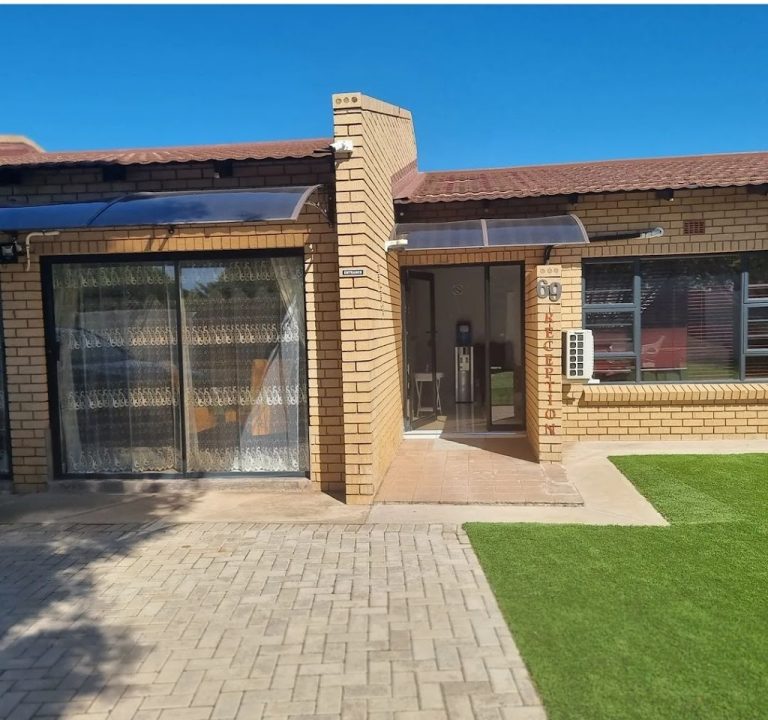
For a comfortable and well-situated base, consider a stay at The Royl Guesthouse, a guesthouse option with a focus on thoughtful hospitality and convenient access to Kimberley’s sights. For more about what such properties offer, you can visit the establishment’s website at The Royl Guesthouse.