no-image
The Rose Cottage is a Self-catering accommodation establishment in Cape Town, Western Cape, South Africa
About The Rose Cottage, Durbanville Hills, Cape Town
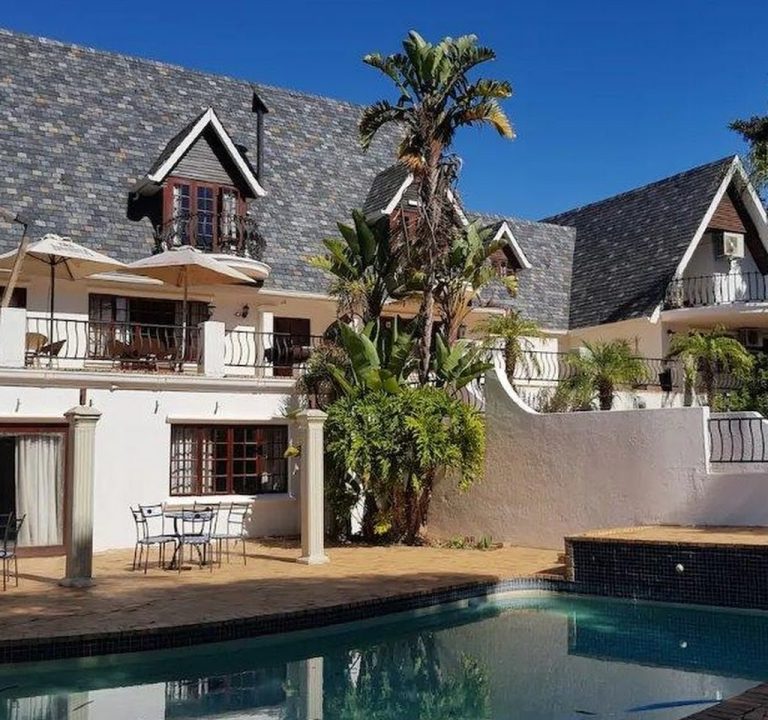
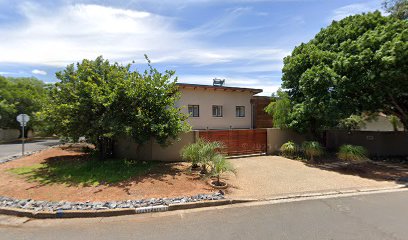
The Rose Cottage sits in a quiet, leafy pocket of Durbanville Hills, Cape Town, offering a calm retreat that is roughly 30 minutes from Cape Town International airport. The property presents a spacious and comfortable self‑catering option, positioned close to the centre of Durbanville, convenient shopping centres, notable wine farms, the local business district and medical facilities. This makes it an ideal base for travellers who value ease of access to both work commitments and leisure experiences, with a serene neighbourhood atmosphere to return to after each day’s adventures.
Set up as a self‑catering retreat, the cottage is designed to be practical and welcoming. Guests can expect a well‑equipped space that supports a relaxed stay, with amenities intended to streamline daily life. Essentials are in place to start a comfortable visit, including complimentary coffee pods for the coffee maker and other basics to cover immediate needs upon arrival. Bath towels are provided to ensure convenience, with the note that they are not suitable for beach use, emphasising a tidy, home‑from‑home approach.
Inside, guests will find a layout and features intended to support restful stays and straightforward self‑catering. The cottage provides modern conveniences such as air conditioning for comfort, unlimited Wi‑Fi for remote work or streaming, and a range of kitchen facilities including a dishwasher, washing machine, microwave, oven and stove, and a kettle. For entertainment and everyday routines, there is a television and other practical provisions that help make longer visits feel effortless.
Outside, The Rose Cottage offers an inviting private courtyard where guests can enjoy the South African sunshine. An outdoor patio is equipped with a table, chairs and an umbrella, creating a pleasant setting for al fresco meals or a quiet moment in the open air. The cooking arrangements extend to a kettle braai / BBQ, with a Weber kettle oven available for guest use, which adds a relaxed, sociable element to evenings in the Cape Town climate.
Practical security and convenience features include shutters and an alarm system, as well as an inverter to provide resilience during any power fluctuations. Free parking is available on site, contributing to a stress‑free stay for guests who arrive by car and prefer to keep belongings secure and easily accessible during their time in the area.
The Rose Cottage is described as a comfortable, self‑catering option in a desirable part of Cape Town, with an emphasis on a convenient, relaxed stay for a range of travellers. Visitors may be exploring the region, visiting wine farms or engaging with the local business and healthcare communities, all while having a quiet, well‑equipped home base to return to each evening.
For those planning ahead, the property highlights its connection to nearby attractions and practical travel tips. Links to further information are available through the site, including details on places of interest and a dedicated booking page. Interested guests can explore current offers by viewing the Specials section, which invites guests to “owe themselves a getaway” and to consider a break that fits both schedule and budget.
- Free parking on site
- Private courtyard with outdoor seating
- Air conditioning and unlimited Wi‑Fi
- Shutters and alarm system for security
- Dishwasher and washing machine
- Cleaning supplies provided
- Kettle braai / BBQ with a Weber kettle oven
- Coffee maker with pods and complimentary coffee
- Television, hairdryer, microwave, oven and stove
- Inverter for power resilience
Nearby highlights include the Durbanville town centre, a variety of shopping options, wine estates and the surrounding countryside, which together offer a rich mix of dining, wine tasting and scenic exploration just a short drive from the city bustle. For travellers seeking additional context, the site provides resources such as a Places of Interest section and access to booking details, enabling guests to plan day trips or longer excursions with relative ease.
Booking and travel tips include noting the self‑catering nature of the stay, planning for essential supplies on arrival, and taking advantage of the on‑site BBQ facilities for enjoyable evenings outdoors. Visitors who appreciate a peaceful neighbourhood vibe, practical amenities and straightforward access to Cape Town’s delights will find The Rose Cottage a suitable home base while exploring the Western Cape.
Cape Town
Western Cape
7550
South Africa

no-image
Accommodation and experiences in Cape Town, Western Cape
Cape Town offers a diverse range of places to stay, from self‑catering cottages and boutique guesthouses to modern apartments and stylish hotels. When planning a visit, it helps to think about which neighbourhood will best suit your plans, how you want to spend your days, and what comforts you value most. The following guide highlights practical considerations for choosing a stay, typical amenities you might encounter, and a sense of the kinds of attractions and dining experiences you can enjoy during your time in this iconic city.
Neighbourhoods to consider include the city centre and the Garden Route corridor of the Atlantic Seaboard (think views of the harbour and easier access to nightlife and museums), the leafy Constantia and Southern Suburbs (quieter, with wine estates nearby and more garden-centric stays), the winelands belt around Durbanville and Stellenbosch, and the V&A Waterfront area for convenience and sea breezes. For adventurous types, a base near the Table Mountain National Park or along the coastal road offers dramatic scenery and easy access to hiking, beaches, and marine activities. When choosing accommodation, consider proximity to the places you plan to visit, as distances in Cape Town can feel shorter than expected but traffic can be unpredictable during peak hours.
Typical amenities in well‑reviewed places include free parking or easy access to public transport, reliable Wi‑Fi, air conditioning or fans (Cape Town can be warm in summer and cool in winter), secure entry, and well‑equipped kitchens or kitchenettes for self‑catering stays. Many self‑catering options provide essential tools for cooking, a comfortable living area, and outdoor spaces such as patios or small gardens. If you are staying longer, a place with a washing machine, a dishwasher, and ironing facilities can make a big difference to your comfort and convenience. Concierge tips or local guides offered by hosts can add tremendous value, especially if you are keen to explore hidden courtyards, markets, and off‑the‑beaten‑path eateries.
transport is a practical part of planning. If you are staying in central areas or the Atlantic Seaboard, you may find walking access to some attractions, cafés, and restaurants feasible, but many visitors prefer a rental car to explore places like the Cape Peninsula, Constantia, and winelands. Reliable local taxis or ride‑hailing services can be an option for evenings out. If you prefer public transport, the city’s MyCiTi network provides a straightforward way to move around central districts and some suburbs, though it may be less comprehensive for day trips along the coast or to the winelands. Check whether your accommodation offers on‑site parking and whether guests can easily arrange transfers or hire cars through the property or nearby services.
Best time to visit Cape Town varies with what you want to do. Summer (roughly December to March) brings long days, warm beaches, and outdoor activities, but it can be busy and more expensive. Spring (September to November) and autumn (March to May) offer milder weather and quieter scenes, often with better value for accommodation. Winter (June to August) is cooler and wetter but can be a good time to explore museums, markets, and indoor‑focused experiences with fewer crowds. If you are aiming to combine Cape Town with a trip to the Cape Winelands, consider the seasonal harvest periods or shoulder months for pleasant weather and relaxed winery visits.
When evaluating a booking, pay attention to a few practical details. Look for clear cancellation policies, well‑maintained bedding and towels, reliable heating or cooling, good kitchen facilities for self‑catering stays, and a local host or property manager accessible for queries. Read guest reviews to gauge consistency in areas such as cleanliness, noise levels, and responsiveness. For families or groups, verify the suitability of the space, including sleeping configurations, safety features, and parking arrangements. If you are visiting with a vehicle, confirm whether there is secure parking or easy street parking nearby, as this can influence your daily plans and costs.
During your stay, you can tailor your days to combine natural beauty, cultural experiences, and dining. Iconic natural landscapes offer panoramic viewpoints, penguin colonies, rugged coastline drives, and sheltered beaches for swimming or sunbathing, depending on the season. The city’s cultural scene includes galleries, markets, and heritage sites that tell the story of Cape Town’s diverse communities. Dining ranges from casual cafés and bustling markets to fine‑dining venues that showcase South African ingredients and regional influences. While exact names and prices are subject to change, you will find several establishments offering seasonal menus, wine pairings, and fresh seafood, alongside eateries that prioritise farm‑to‑table ingredients and coastal flavours.
Example accommodation is a well‑thought‑out self‑catering option located in a leafy suburb just a short drive from Durbanville’s centre, with amenities designed for a comfortable, independent stay. Such a property typically provides a private courtyard or patio, a fully equipped kitchen, air‑conditioned living spaces, secure parking, and high‑speed Wi‑Fi. Guests can enjoy the convenience of nearby shopping centres, wine farms, and access to both urban amenities and tranquil surroundings. For travellers who appreciate a balanced mix of space, privacy, and practical comforts, a self‑catering cottage in a quiet residential area can be an ideal home base while exploring northern Cape Town and the surrounding winelands. You can often find a dedicated bookable page with details on inclusions, special offers, and nearby points of interest.
- Plan around a neighbourhood that matches your itinerary and pace: city‑centric for museums and dining, coastal for beaches and scenic drives, or green and tranquil for relaxation and wine estates.
- Check essential amenities: parking, kitchen facilities, reliable Wi‑Fi, climate control, and security features.
- Look for host or management accessibility and clear instructions for self‑check‑in if you are arriving late.
For further inspiration, you can explore a selection of Cape Town‑area stays and related experiences through provider pages and destination guides. A self‑catering cottage such as The Rose Cottage in Durbanville Hills offers a practical example of a comfortable, independent stay, with dependable amenities and easy access to the surrounding neighbourhood’s amenities. Website information can guide you to further details about on‑site facilities and nearby points of interest. When you’re ready to plan your trip, visit the property’s page to view availability, special offers, and booking options via the site’s booking portal.
Sorry, no records were found. Please adjust your search criteria and try again.
Sorry, unable to load the Maps API.
Why Claim Your Listing?
Claiming your listing on the B&B Finder directory website is a valuable opportunity for business owners. Here are five reasons why you should consider claiming your listings:
Control Over Business Information: By claiming their listing, business owners can ensure that all the information presented is accurate and up-to-date. This includes details such as contact information, address, pricing, and available services or amenities. Accurate information helps prevent customer confusion and improves overall satisfaction.
Enhance the Listing: Once a listing is claimed, owners can enhance it by adding more comprehensive information and rich media, like high-quality photos and videos. These additions can make the listing more attractive and engaging to potential customers, thereby increasing the likelihood of bookings.
Marketing Opportunities: Claiming a listing can also open up additional marketing opportunities. Owners may be able to participate in promotional campaigns, special offers, and other marketing activities organized by the directory. This can increase visibility and attract more customers to the business.