Staying in Mbombela, Mpumalanga: where to stay, what to do, and how to plan your visit
Mbombela, also known as Nelspruit, sits at the heart of Mpumalanga’s scenic Lowveld region, offering a gateway to world-class wildlife experiences and dramatic natural landscapes. When planning a stay in this part of South Africa, travellers typically balance access to city amenities with easy access to famous natural attractions and nature reserves. The accommodation landscape ranges from guest houses and boutique lodges to larger hotels and self‑catering apartments, so there are options to suit many budgets and preferences.
Areas to consider for a stay include the city centre and riverside precincts, where you’ll find convenient access to shops, restaurants and transport links. Suburbs closer to the foothills of the escarpment often provide a quieter ambience, with leafy streets and easy access to nature reserves. If you are visiting primarily for wildlife, a stay nearer to major parks offers quicker day trips, while those seeking a more cultural or culinary focus might prefer convenient hubs with a mix of eateries and markets.
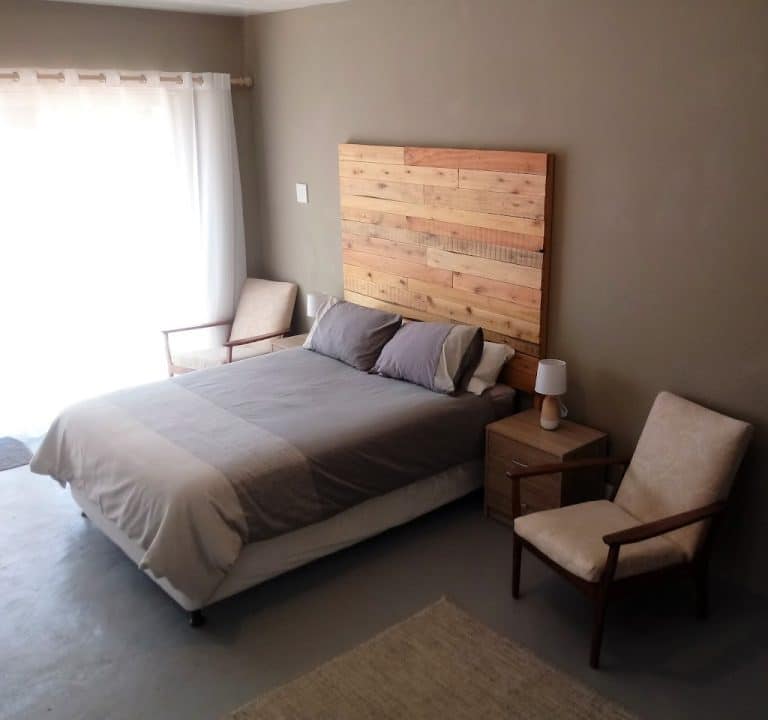
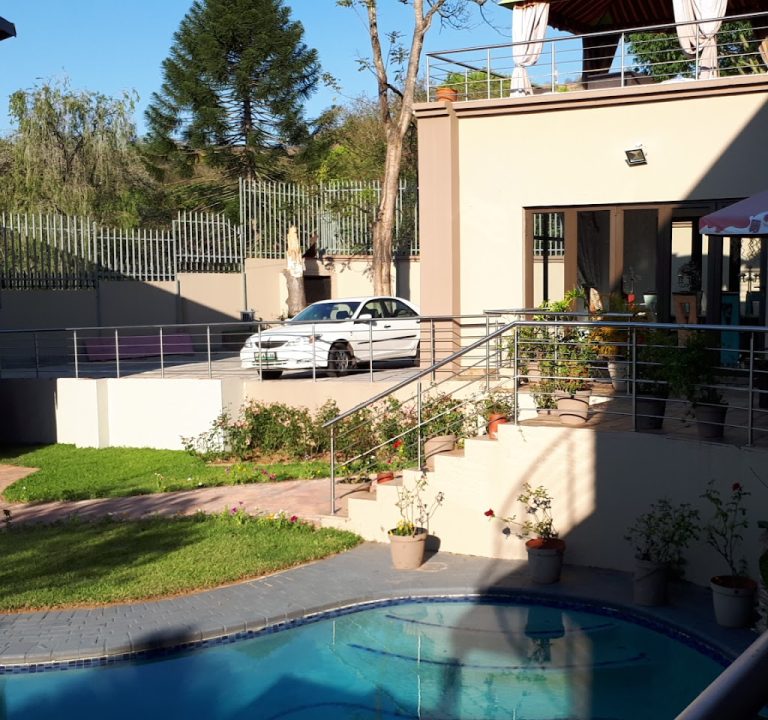
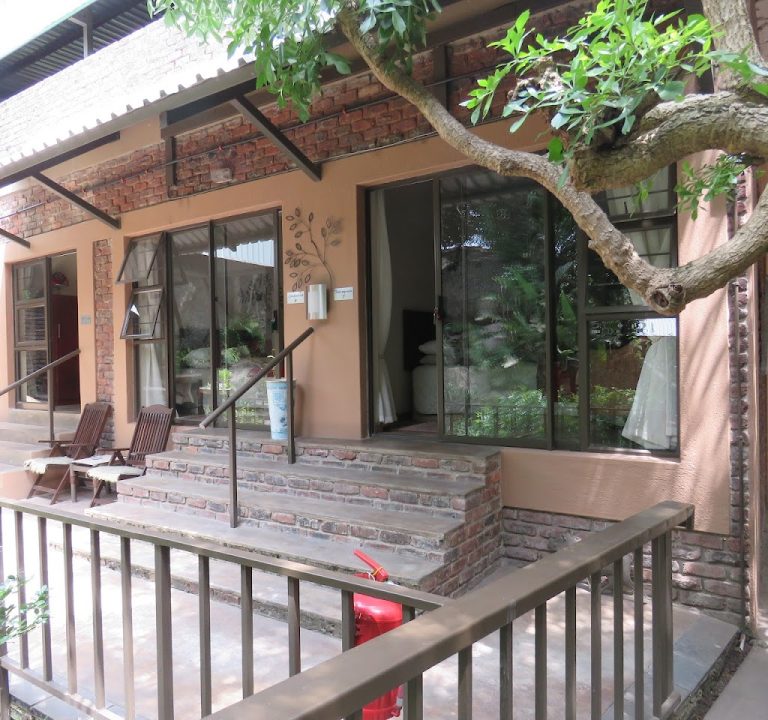
Typical amenities you can expect in Mbombela’s guest houses and hotels include air‑conditioning, free Wi‑Fi, secure parking, on-site dining options or served breakfasts, and helpful guest services such as concierge guidance for day trips. Many smaller properties advertise personalised service, comfortable common areas, and bedroom configurations ranging from doubles to family suites. For self‑catering stays, you’ll often find well‑equipped kitchen facilities, laundry access, and private entrances, which can be convenient for longer visits or groups.
Transport is a practical consideration. A rented car is the most convenient way to explore Mpumalanga’s surroundings, including the nearby Panorama Route and any day trips to the Kruger National Park, which is a few hours’ drive from Mbombela. If you prefer not to drive, check whether your accommodation offers airport transfers or reliable private transfer options. Within the city, local taxis and ride‑hailing services are commonly available, and a central location can reduce transit times between attractions and dining options.
Best time to visit Mbombela ties closely to your priorities. The region experiences a dry winter and a wet summer. The dry season (roughly May to September) is popular for wildlife viewing in nearby reserves, as animals congregate around water sources and vegetation is thinner. The wet season (roughly October to April) brings lush scenery and dramatic thunderstorms, which can be memorable but may affect certain outdoor plans. If you are sensitive to malaria considerations, speak with your accommodation about the current guidance for any near‑park excursions, and plan accordingly with insect repellent and appropriate clothing.
Practical planning tips to help you make the most of your stay:
- Book accommodation with easy access to the main routes you intend to use for day trips, whether into the Kruger corridor or along the Panorama Route.
- Check bed arrangements, on‑site dining facilities, and whether breakfast is included if you want a hassle‑free start to the day.
- Ask about parking arrangements and security, especially if you are driving a rental vehicle with sensitive equipment or luggage.
- Clarify accessibility and housekeeping services if you require flexible check‑in times or additional cleaning during longer stays.
- Confirm availability of reliable Wi‑Fi if you need to work or stay connected while travelling.
Around Mbombela you’ll find opportunities to enjoy nature and culture in a relaxed setting. Within comfortable driving distances are iconic natural landscapes, scenic viewpoints, and a range of wildlife experiences that form part of Mpumalanga’s famed appeal. In addition, local dining venues offer a mix of traditional South African flavours and modern cuisine, allowing you to sample regional ingredients and contemporary cooking styles without travelling far from your base. While specific attractions and restaurants may change over time, visitors generally report that the area provides rewarding day trips, opportunities to observe wildlife from guided tours, and pleasant evenings with sunset views over the surrounding countryside.
When planning to visit, it can help to map out a few core experiences and build a flexible itinerary around them. For wildlife and nature days, consider early starts to maximise sightings and cooler conditions. For dining, look for venues that highlight local produce or have ambience suited to relaxed evenings after a day outdoors. For travellers seeking a blend of relaxation and exploration, a mix of a central base with a couple of short excursions each day often works well.
Useful links for planning your trip include regional tourism information and park resources. These can help you confirm transportation options, current seasonal conditions, and suggested day trips. For further ideas and practical guidance, you may wish to visit official tourism portals or regional travel guides online.
In summary, Mbombela makes a strong base for exploring Mpumalanga’s natural beauty and cultural offerings. By choosing a well‑located property with essential amenities, planning transport in advance, and tailoring activities to the season, you can enjoy a fulfilling and comfortable stay that suits both wildlife enthusiasts and urban explorers. For more information on itineraries and practical planning, see the local tourism resources available on reputable websites.