Discover Gqeberha: where to stay and what to do in the Eastern Cape
Gqeberha, known for its friendly ambience, sun-kissed coastlines and surrounding wildlife, offers a range of accommodation to suit every traveller. From intimate guest houses on quiet streets near the river to stylish lodges with easy access to the city’s bustling harbour and beaches, there is something for every budget and style. When planning a stay, consider not only the room itself but the neighbourhood, accessibility and the balance between city sights and shoreline leisure.
Areas to consider include the waterfront and harbour precinct for a nautical vibe and easy access to dining, or leafy residential pockets closer to the city centre for an urban feel with a calmer pace. Suburban belt routes inside easy reach of major roads can cut travel times to Addo Elephant Park, the renowned Addo region, and other day-trip destinations. If you prefer sea breezes and promenade walks, look for properties near or with views over the Indian Ocean or the Big Bay area, where you can stroll at leisure and enjoy cafés and souvenir shops along the way.
Booking a stay in Gqeberha benefits from a practical checklist. Look for a clear cancellation policy, flexible room configurations, and reliable housekeeping. Decide whether you want breakfast included, or the option to self-cater, especially if you are travelling with family or a group. Check the size and layout of rooms, and whether there is outdoor space, secure parking, and access to public transport or airport transfers. Many guest houses and lodges offer a personal touch, with hosts who can share insider tips on local markets, hidden beaches, and scenic viewpoints.
Typical amenities across well-regarded properties include comfortable beds with quality linen, en-suite bathrooms, efficient hot water, and reliable Wi‑Fi. Additional comforts such as a swim pool, daily housekeeping, a lounge area, and a well-equipped kitchen or breakfast room are common in family-focused stays. For business or longer visits, consider convenience features like a work desk, power outlets in convenient places, and proximity to a quiet workspace. Safety features, discreet on-site parking, and secure access are also worth verifying, particularly for guests who will be exploring after dark.
Transport and access play a major role in planning. A car is often the most convenient way to explore the wider region, particularly for trips to wildlife reserves or coastal towns. If you prefer not to drive, check whether your accommodation offers airport transfers or proximity to reliable taxi and ride-share options. Some properties can arrange guided tours or help with day trips to nearby attractions, which can be especially helpful for first-time visitors. Proximity to the airport, intercity buses, and main coastal roads should be weighed against the desire to stay in a more tranquil residential area.
The best time to visit Gqeberha reflects both climate and activities. The summer months (roughly October to March) bring warm weather and the possibility of afternoon showers, ideal for beach days and boat trips. Winter (May to August) is mild and drier, a good period for wildlife viewing on shorter forays around the coast and nearby reserves. If your trip centres on whale watching or birdlife, note seasonal patterns and pack accordingly. Regardless of the season, evenings near the water can cool down, so a light jacket or cardigan is practical.
When exploring attractions, plan a rounded itinerary that balances coastal leisure with cultural highlights. Enjoy long, sandy beaches for sunbathing, walks and water sports, then explore city museums and heritage sites to understand the local history. A coastal boardwalk or waterfront precinct provides a gentle stroll and plenty of places to pause for coffee or a casual meal. Surrounding nature reserves and nearby game parks offer opportunities for self-drive safaris or guided excursions, allowing you to observe wildlife within a short travel window.
Food and dining in Gqeberha range from casual eateries to more refined restaurants with fresh seafood and South African favourites. Waterfront dining and neighbourhood bistros offer relaxed settings where you can sample simple, well-cooked meals and share dishes with companions. For a broader experience, visit markets or neighbourhood cafés that celebrate local produce and regional flavours. When booking, consider options that provide flexible meal plans or kitchen facilities, especially if you are travelling with children or allergies. A good guest house or lodge will often provide recommendations for reputable eateries and can help you reserve tables during busy periods.
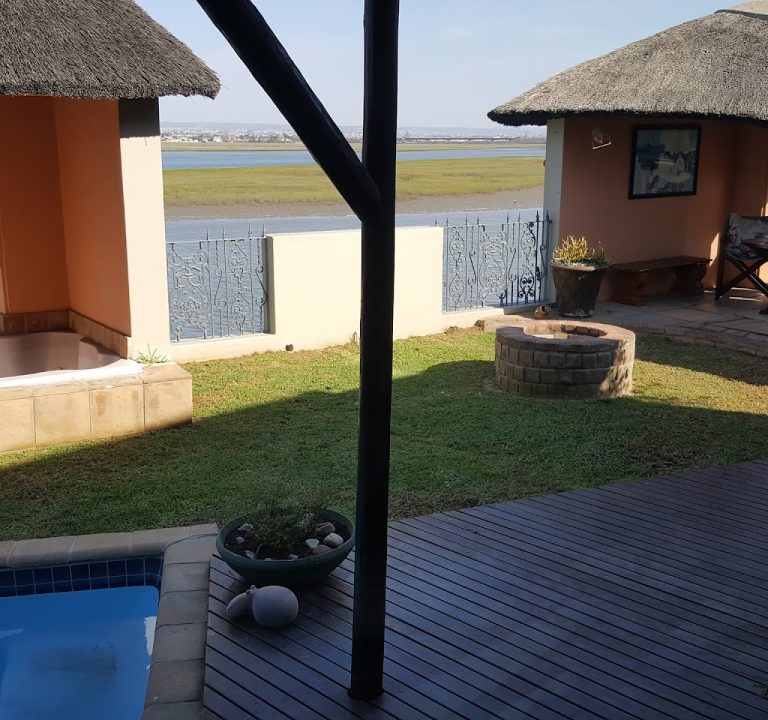
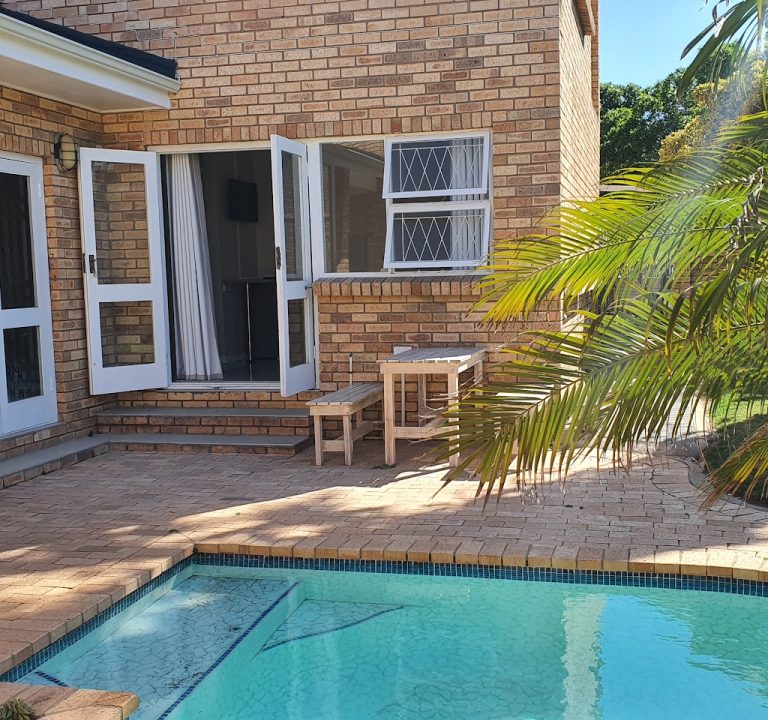
One example of accommodation that captures this traveller-focused approach is The Riverside Lodge, a guest house with a riverside setting and easy access to the city’s waterfront and leisure offerings. The property can serve as a comfortable base for exploring the surrounding area, coordinating day trips and enjoying a peaceful retreat after busy days of sightseeing. If you choose this style of stay, look for rooms with a tranquil outlook, secure parking, and a friendly, knowledgeable host who can tailor suggestions to your plans.
Practical tips to help you plan your stay:
- Book in advance for peak seasons and holiday periods to secure preferred locations and room types.
- Request a map or local guide information from your host to help you plan walks, drives, and dining options.
- Pack a light jacket for evenings by the coast and sunglasses for daytime excursions along the beaches and harbour.
- Check water proximity and shade for hot days if you plan lengthy beach visits or outdoor activities.
- Verify parking arrangements and accessibility if you will be driving or renting a vehicle.
In summary, a stay in Gqeberha blends coastal relaxation with urban convenience. Seek accommodation that aligns with how you wish to spend your days—whether that means long beach strolls, wildlife forays, or markets and cafés along the harbour. With the right base, you can savour the region’s natural beauty and warm hospitality, while easily accessing the diverse experiences that define the Eastern Cape.