Johannesburg: Where to stay and how to plan your visit for a vibrant Gauteng stay
Johannesburg, often simply called Jo’burg or Joburg, is a dynamic gateway to South Africa’s highveld and a city that blends modern hospitality with rich history. When planning a stay, you’ll find a range of accommodation options to suit different budgets and preferences, from elegant hotels in leafy suburbs to contemporary apartments in bustling precincts. A well-timed itinerary can help you make the most of your visit, whether you’re here for business, culture, or a weekend break.
One way to approach your stay is to choose a base that reflects the kind of experience you want. Suburban neighbourhoods can offer a tranquil backdrop with easy access to city sights, while central districts put you within walking distance of museums, markets, and nightlife. For a touch of luxury and a sense of permanence, you might consider properties that blend refined décor with attentive service. When researching, look for clear information about room sizes, on-site dining options, security features, and flexible cancellation policies, which are particularly important if plans may shift.
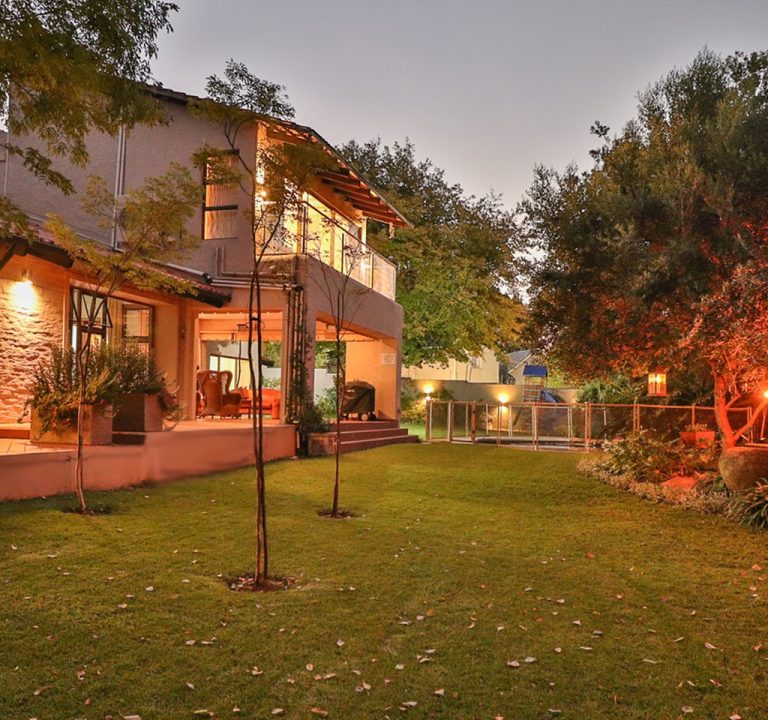
When considering accommodation, typical amenities to look for include reliable Wi‑Fi, climate control, comfortable bedding, and convenient transport links. If you’re travelling with family or a group, check for extra beds or suites, as well as parking arrangements. Some properties offer guest lounges, outdoor spaces, or fitness facilities, all of which can enhance your stay. For those seeking a more local experience, boutique hotels and guesthouses often provide personalised service, curated recommendations, and a homely atmosphere that makes exploring the city feel effortless.
Transport in Johannesburg is well served by a network of main roads, rail services, and rideshare options. When booking, consider proximity to public transport stops, major highways, or neighbourhood hubs where you can easily access the city’s attractions. If you plan to venture beyond the city centre, a longer stay in a well-connected suburb can save time and reduce daily commuting. Several properties offer shuttle services or partnerships with trusted transport providers, which can simplify day trips and evening outings. A practical tip is to map out your essential routes in advance and leave a little extra time for traffic, which can be unpredictable at peak times.
The best time to visit Johannesburg generally aligns with mild weather and clearer skies. Autumn (March to May) and spring (September to November) are often pleasant, with comfortable daytime temperatures and fewer crowds. The city experiences a rainy season in the summer months, so packing a lightweight rain jacket is sensible if you’re visiting then. If you’re planning outdoor experiences—such as markets, garden venues, or parks—spring and autumn usually offer the most enjoyable conditions. For those interested in events or festivals, check local calendars before booking, as some activities cluster around public holidays and school holidays.
Johannesburg offers an array of attractions and experiences that suit a broad range of interests, and many are clustered around historic districts, modern shopping zones, and cultural precincts. In planning days out, you might combine a visit to galleries and museums with a stroll through markets and street-food spots. Suburban pockets often provide a mix of eateries, casual cafés, and neighbourhood bars, making it easy to enjoy a relaxed evening without travelling far from your hotel. If you’re drawn to nature, nearby parks and reserves are accessible for short excursions from central areas. When selecting dining options, you’ll find everything from casual eateries serving comforting favourites to more refined venues offering contemporary takes on South African flavours. Consider making a few reservations for popular spots, especially on weekends, to avoid disappointment.
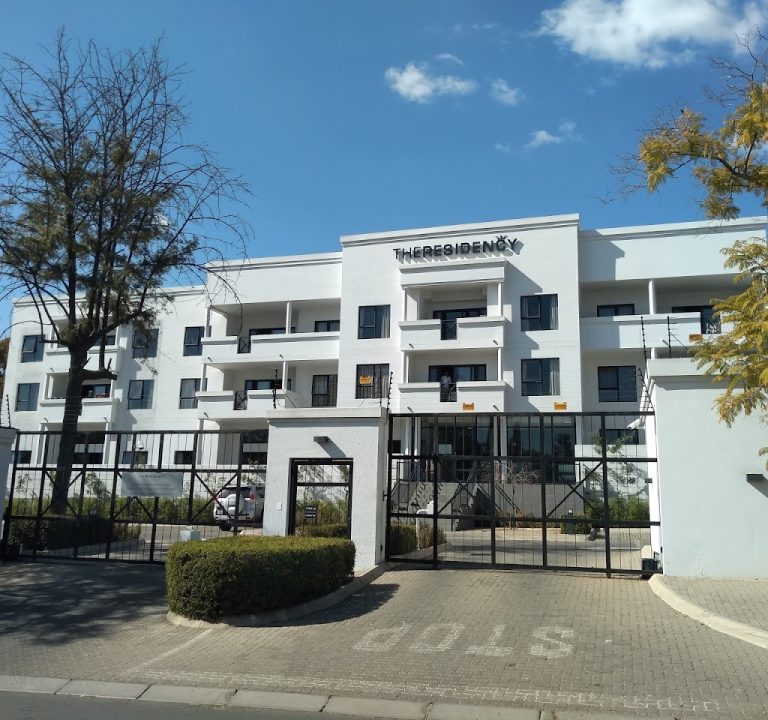
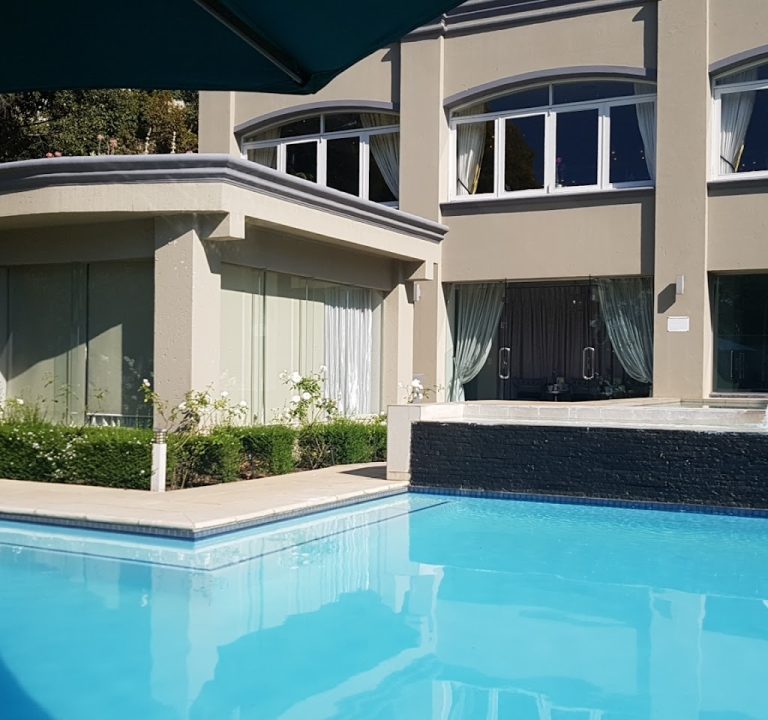
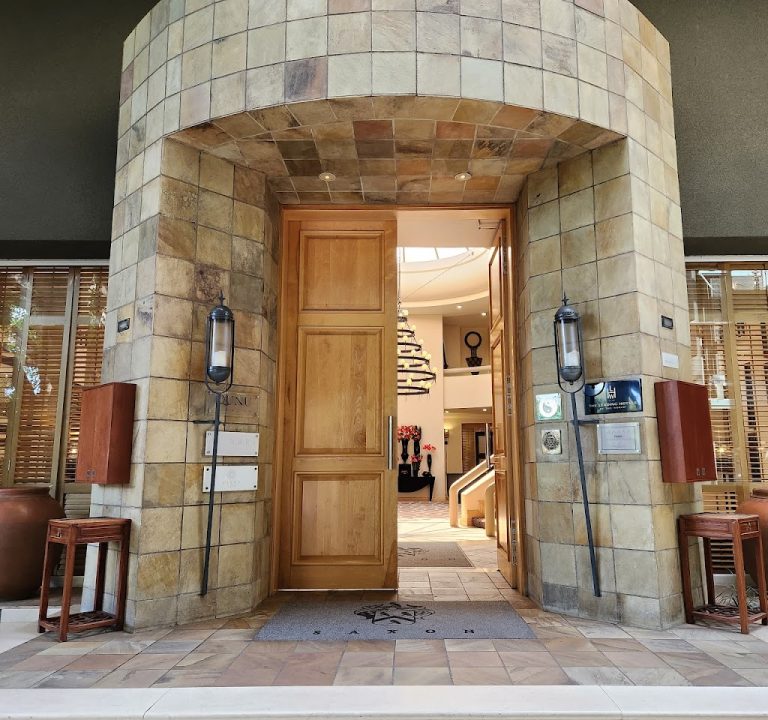
In terms of accommodation, you may encounter a variety of offerings, including classic hotels with long-standing service traditions, modern properties with stylish design, and guesthouses that emphasise a personal touch. If you’re curious about a standout British-style standard of hospitality, a property such as The Residency Sandhurst represents a refined option within a prestigious precinct. It emphasises thoughtful service and elegant surroundings, while remaining conveniently positioned for access to key sights and business hubs. For more information about this option, you can explore the official website: The Residency Sandhurst.
Practical planning tips to help you maximise your stay:
- Choose a neighbourhood based on your plans: central districts for museums and nightlife; northern suburbs for security, greenery, and quieter evenings; or the business belt for straightforward commutes.
- Look for properties with clear policy on cancellations and refunds, especially if your travel dates are fluid.
- Check room configurations and access to parking or transport services to suit your party size and pace.
- Review security features, including controlled access, 24-hour reception, and well-lit surroundings.
- Plan a balanced itinerary that blends indoor experiences with outdoor time, and leave room for spontaneous discoveries at markets and cafés.
With careful planning, a stay in Johannesburg can be comfortable, convenient, and culturally enriching. The city’s mix of accommodation styles, accessible transport options, and a broad array of attractions and eateries means there is something to suit every traveller. Whether you’re drawn to historic precincts, modern dining scenes, or leafy suburbs with a touch of elegance, you’ll find a confident base from which to explore Gauteng’s remarkable urban landscape.