Greyton: where cosy stays meet mountain trails and garden-green gastronomy
Greyton in the Western Cape is a sleep-on-hill village where a warm welcome comes with wooden-clad cottages, sunlit courtyards and views that stretch across valley and koppie. When planning a stay here, consider how you want to divide your days between restful downtime and outdoor adventures. The town’s compact size makes it easy to walk to cafés, shops and the start points for trails, but many visitors prefer a base a little off the main centre to enjoy tranquillity, better views and a bit more space. Options range from intimate bed and breakfasts and guesthouses to self-catering cottages and farm stays, all tuned to a relaxed, visitor-friendly pace.
Accommodation in Greyton often centres around three themes: village character, farmstead serenity and accessible self-catering. Village-focused stays tend to be within easy reach of the core cafés, markets and galleries, making them ideal for travellers who want no-hassle mornings and evening strolls after a day’s activity. Farm stays and rural cottages, by contrast, offer more room, private patios or gardens, and the chance to wake to birdsong and wide skies. For guests who relish cooking their own meals or hosting friends for a simple barbecue, self-catering options are robust and well-equipped, with practical layouts for groups or families. If you are travelling with mobility needs, look for ground-floor rooms, gentle paths and off-street parking—many Greyton properties are adapted with such conveniences in mind.
When choosing where to stay, ask the following to help you compare options quickly. How close is the accommodation to the village centre or to the trailheads you plan to use? Is parking available on-site, and is it shaded or secure? What are the kitchen facilities like if you’re considering self-catering—are there enough utensils, a reliable stove, and a good-sized fridge? Do guest rooms have private bathrooms, or are facilities shared? Are heating and insulation sufficient for cooler months, and is there a fireplace or heating in common spaces? If connectivity matters, check Wi-Fi reliability in the unit and whether it covers the entire property. Finally, what are the cancellation terms and the policy on late-arrivals or changes to your plans?
Typical amenities you may encounter include well-equipped kitchens or kitchenettes, fresh linen and towels, intimate living spaces with comfortable seating, and outdoor areas such as verandas, courtyards or small gardens. Many places offer eco-conscious touches, from rainwater use to solar power, and families often appreciate space for children to play in a secure setting. For longer stays, you might look for washing facilities on-site or laundry services nearby. A few properties partner with local farmers or producers for breakfast baskets or baking-fresh treats, giving guests a flavour of Greyton without leaving the house.
Transport in Greyton is straightforward but a car is very convenient for exploring surrounding scenery and nearby villages. The village itself is friendly to pedestrians, with gentle lanes ideal for a morning stroll before a day’s excursion. If you are relying on public transport, plan ahead as services are infrequent; many travellers choose to hire a vehicle on arrival. For day trips, a car gives you flexibility to visit the Greyton Nature Reserve, gentle mountain walks, and coffee stops at various village venues without compromising your timetable.
The best time to visit Greyton depends on what you seek. Spring brings wildflowers and a sense of renewal, with mild days and cooler evenings, making it perfect for outdoor trails and picnics. Summer can be warm with clear skies, ideal for longer hikes and river dips in the surrounding gorges. Autumn offers crisp mornings and golden light, a fine backdrop for village strolls and photography. Winter is cool and quiet, a good time to cosy up indoors with a book or enjoy intimate dining experiences at local eateries. Whatever season you choose, pack layers, a sturdy pair of walking shoes, and a light rain jacket for sudden showers that can sweep through the valley.
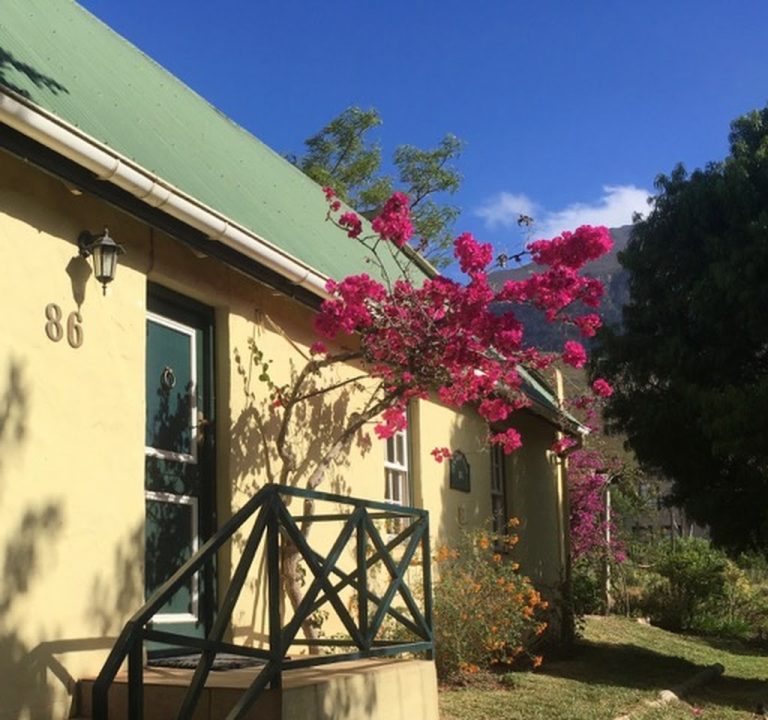
When it comes to meals and dining out, Greyton offers a handful of inviting options that pair well with a day of exploring. Expect relaxed, farm-to-table sensibilities, baked goods from local kitchens, and light lunches that suit a busy outdoor itinerary. Many visitors enjoy a mix of café-style breakfasts, artisanal coffees, and casual dinners, with menus that emphasise fresh ingredients and seasonal produce. If you are staying in a self-catering unit such as The Red Door, you’ll have the flexibility to prepare simple breakfasts and evening meals at your own pace, while still enjoying nearby venues for special dinners or a relaxed afternoon coffee roll.
For planning purposes, you might find the following practical tips helpful. Book ahead in peak periods or long weekends to secure a place in the village’s popular lanes or farm-stay courtyards. Check the property’s access times for your arrival and any noise policies, especially if you are travelling with children or a group. Bring a compact daylight backpack for trail days, including water, sunscreen and a lightweight layer for changes in weather. If you enjoy running or cycling, ask about convenient routes or on-site storage for bikes. Finally, respect the natural environment: stay on marked paths, carry out all rubbish, and keep pets in mind if you are travelling with animals, as not all Greyton accommodation providers permit four-legged guests.
Whether you seek a peaceful self-catering retreat, a cosy B&B near the village bustle, or a scenic farm stay with room to move, Greyton’s accommodation offers a balanced mix of comfort, landscape and easy access to walkers’ routes and village life. From a base like The Red Door to other locally run lodges and guesthouses, a stay in Greyton invites you to slow the pace, enjoy simple pleasures, and discover a region where nature, cuisine and hospitality are quietly aligned for a memorable visit.