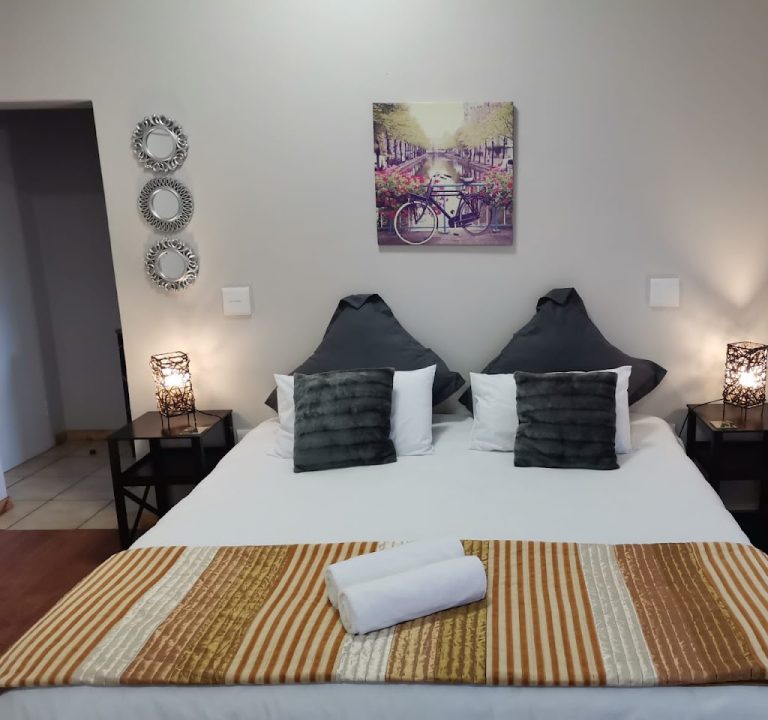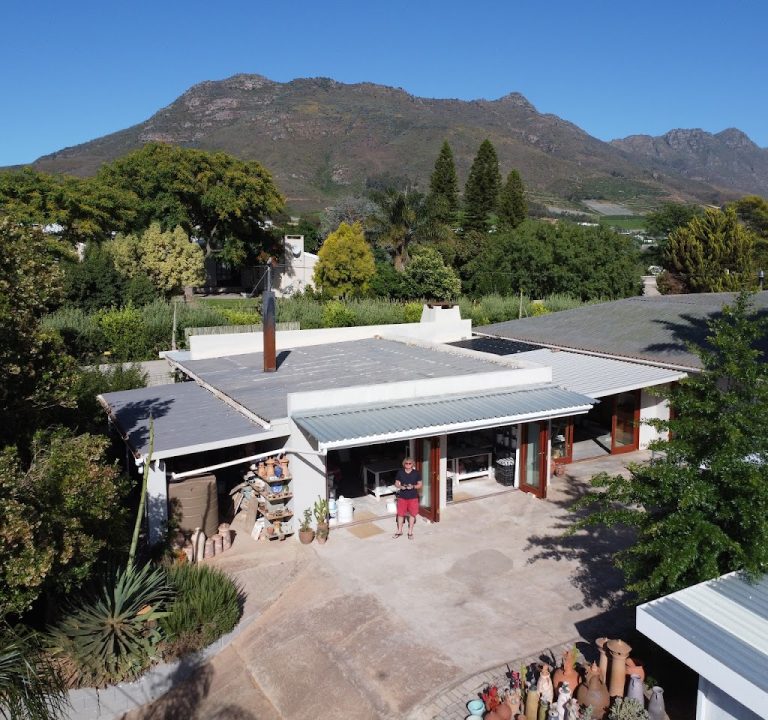
The Potters House is a Guest house establishment in Cape Town, Western Cape, South Africa
About The Potters House, Cape Town
The Potters House in Cape Town, Western Cape, is represented on its official website, which currently communicates that the artist is on sabbatical and not producing new works for the immediate future. While the site provides contact options, there is no published detail on accommodation, room types, on-site facilities, or exact policies. Visitors seeking up-to-date information should consult the site directly for the latest status and any potential announcements.
From an external vantage point, The Potters House appears to be positioned within Cape Town’s vibrant cultural milieu. The absence of explicit lodging details means prospective guests will need to verify whether the space operates as a guest accommodation, gallery, or artist residency, and what facilities, if any, are available for visitors. The site remains a primary source for current information, including how to get in touch for enquiries or bookings.
For travellers curious about the broader appeal of a stay in Cape Town, the city offers a wealth of experiences that complement an artistic retreat. The Western Cape is renowned for its natural beauty, access to iconic landscapes, and a rich cultural scene. While specifics about The Potters House are not disclosed on the site, visitors may still anticipate a stay that aligns with Cape Town’s creative energy and access to nearby attractions, dining, and markets that celebrate local arts and crafts.
Accommodation style and amenities are not detailed on the current site. Without explicit information, it is prudent to approach any booking with flexibility and to rely on the official website for confirmation of what is available. Guests are encouraged to review the latest updates, including any changes to operations, and to follow the venue’s official channels for accurate booking guidance.
Who it is best for: in the absence of concrete lodging details, The Potters House may attract travellers who are drawn to artistic settings and the opportunity to engage with Cape Town’s creative scene. Interested visitors should verify accessibility, residency terms, or accommodation options directly through the website before making travel plans.
Nearby highlights and travel tips: Cape Town’s allure extends beyond any single property. Prospective guests might consider exploring the city’s famed tableland scenery, harbours, markets, and diverse neighbourhoods, all of which contribute to a rich, culturally infused stay. It is advisable to plan ahead, check current local conditions, and book in advance where possible, allowing for flexibility in case the sabbatical status or site operations influence availability.
- Check the official website for the latest updates on status, availability, and booking options.
- Direct any enquiries through the stated contact channels on the site to obtain accurate information.
- Review travel plans in light of Cape Town’s seasonal variations and potential changes in operations.
Booking and travel tips: potential guests should prioritise obtaining confirmation from the site regarding whether lodging is offered, the nature of any accommodation, and the specific amenities available. Given the current sabbatical notice, it is wise to verify whether the venue is hosting guests, providing residencies, or operating differently at this time. Link through to the official site for the most reliable information: The Potters House – official site.
Cape Town
Western Cape
7300
South Africa


Cape Town: Where to Stay and What to Do in the Mother City
Capacious and varied, Cape Town offers a wide range of places to lay your head, from guest houses tucked beneath Table Mountain to boutique hotels perched along the Atlantic seaboard. When planning a stay, it helps to think about what you want from your visit: scenery, easy access to sights, a neighbourhood buzz, or a quieter retreat with a view. The city’s diverse neighbourhoods each deliver a distinct atmosphere, so a little advance planning can maximise your time and enjoyment.
Areas to consider include the city bowl and central Cape Town for its compact sights and easy transport access; the V&A Waterfront for a lively, pedestrian-friendly base with good links to tours and ferries; the Atlantic Seaboard (Sea Point, Bantry Bay, Clifton, Camps Bay) for dramatic coastal scenery and a resort feel; and nearby suburbs like Constantia for leafy tranquillity and wine estate visits. If you’re after a cultural flavour, the Bo-Kaap’s colourful streets and the historic district around the Castle offer walkable routes with local character. For families or longer stays, guest houses and small hotels in de Waterkant and Bree Street can provide convenient access to dining and nightlife without feeling busy all night.
When booking, consider these practical elements:
- Proximity to your planned activities: Are you aiming to explore the Cape Peninsula, take a Robben Island tour, or spend days hiking in Table Mountain National Park? Staying within a reasonable distance helps reduce travel time.
- Transport options: Cape Town is friendly to walkers and cyclists in many districts, but a car or reliable ridesharing is handy for reaching winelands, coastal cliffs, and scenic drives. If you prefer public transport, choose an area with easy taxi or shuttle access.
- Amenities that matter: Free Wi‑Fi, a mornings-only breakfast, parking facilities, self-catering options, and a homely common area are all popular considerations for longer stays.
- Security and access: Enclosed parking, well-lit streets, and 24‑hour reception or staffed front desks provide reassurance in busy tourist zones.
- Size and style: From intimate rooms to lofts and studios, the size and layout can influence your comfort, especially for families or groups.
Typical accommodations in Cape Town range from guest houses that prioritise personalised service to self-contained studios with kitchenettes. Look for hosts or properties that offer local insights, such as bespoke restaurant recommendations, day trips to the winelands, or guided hikes along the coast. A well-run guest house will usually provide thoughtful touches like a comfortable lounge, reliable housekeeping, and clear information on public transport routes and nearby grocery options. For a particularly atmospheric stay, consider a property that blends modern comforts with tasteful, understated décor and a strong sense of place.
Facilities and practicalities to expect include:
- From modest rooms with shared facilities to en-suite bedrooms with private terraces and sea views.
- Hot water reliability, climate control, and good natural light to brighten your mornings.
- Breakfast options ranging from continental spreads to hearty, locally sourced dishes.
- Access to water-based activities, hiking information, and tips on safe coastal routes.
- Secure storage for luggage and bikes, where relevant, and friendly hosts who can arrange or suggest local experiences.
Best time to visit Cape Town is typically during the South African spring (September to November) and autumn (February to April), when the weather is mild and the winds are gentler. Summer (December to February) can be lively but crowded, while winter (June to August) brings cooler, wet days with occasional rain. If your stay includes touring the Cape Peninsula, plan for varied microclimates—sunny coastal towns can be warm while the Table Mountain plateau stays chilly and windy. Pack layered clothing, comfortable walking shoes, and a light rain jacket just in case.
Beyond the accommodation, Cape Town’s attractions are diverse and can be enjoyed at a relaxed pace. Iconic landscapes such as a cable car ascent to vantage points overlooking the Atlantic, scenic coastal drives, and nature reserves provide versatile options for day trips. The city is also a gastronome’s destination, with a broad spectrum of dining styles—from casual waterfront eateries offering fresh seafood to refined restaurants emphasising South African produce and fusion cooking. In tourist-friendly hubs, you’ll find spaces where you can sample regional wines, craft markets, and cafes that celebrate local ingredients. When planning meals out, consider balancing reservations in popular spots with strolls through neighbourhoods where you can discover hidden gems and casual venues with authentic flavours.
As a practical example of a welcoming stay, consider a guest house that offers a personalised, home-from-home environment, such as The Potters House, a guest house in the Cape Town area. For more information and to explore the property, you can visit the associated site linked here: The Potters House. Note that accommodation listings and opening times can change, so it’s wise to check current availability and guest reviews when you plan your itinerary.
With a little planning, a stay in Cape Town can combine comfortable accommodation with memorable experiences. Choose a neighbourhood that matches your rhythm—whether you want easy beach access and sunset walks, the convenience of central sights, or a peaceful base from which to explore the winelands and nature reserves. By prioritising practical details, such as transport links, important amenities, and local recommendations, you’ll be able to enjoy a well-rounded and enjoyable visit to this dynamic South African destination.
Sorry, no records were found. Please adjust your search criteria and try again.
Sorry, unable to load the Maps API.
Why Claim Your Listing?
Claiming your listing on the B&B Finder directory website is a valuable opportunity for business owners. Here are five reasons why you should consider claiming your listings:
Control Over Business Information: By claiming their listing, business owners can ensure that all the information presented is accurate and up-to-date. This includes details such as contact information, address, pricing, and available services or amenities. Accurate information helps prevent customer confusion and improves overall satisfaction.
Enhance the Listing: Once a listing is claimed, owners can enhance it by adding more comprehensive information and rich media, like high-quality photos and videos. These additions can make the listing more attractive and engaging to potential customers, thereby increasing the likelihood of bookings.
Marketing Opportunities: Claiming a listing can also open up additional marketing opportunities. Owners may be able to participate in promotional campaigns, special offers, and other marketing activities organized by the directory. This can increase visibility and attract more customers to the business.