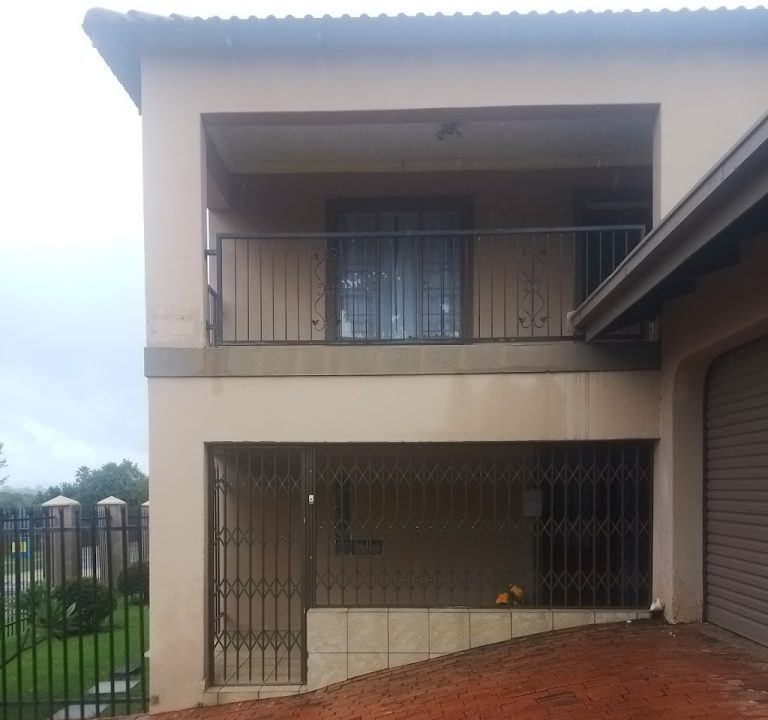
Accommodating Pretoria: where to stay, what to expect, and how to plan your visit
Pretoria, the administrative heart of Gauteng, blends grand colonial architecture with modern urban energy. When planning a stay, consider the city’s diverse neighbourhoods, each offering a distinct flavour—from leafy suburbs with guesthouses to lively districts with contemporary hotels. A well-chosen base can frame a balanced itinerary of historic sites, cultural experiences and easy access to nearby attractions.
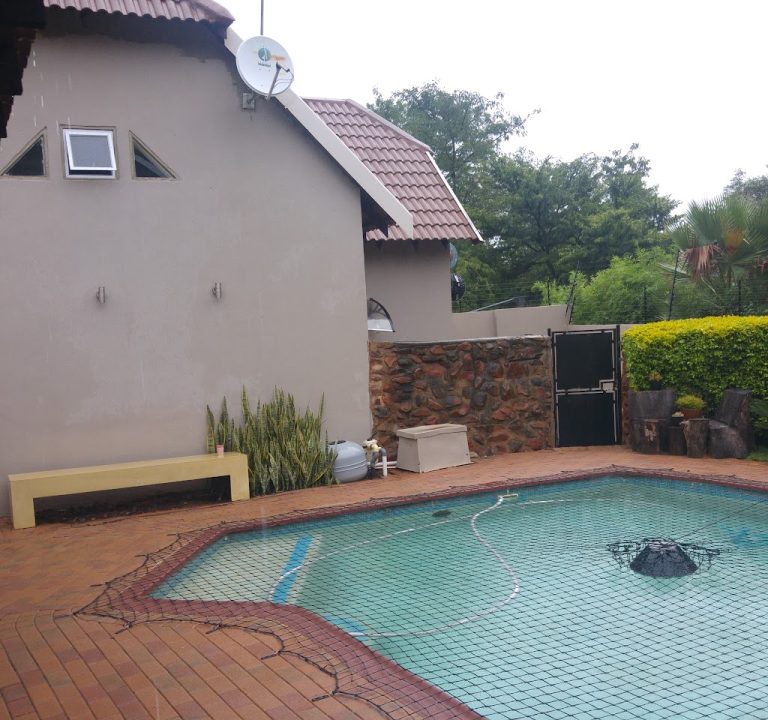
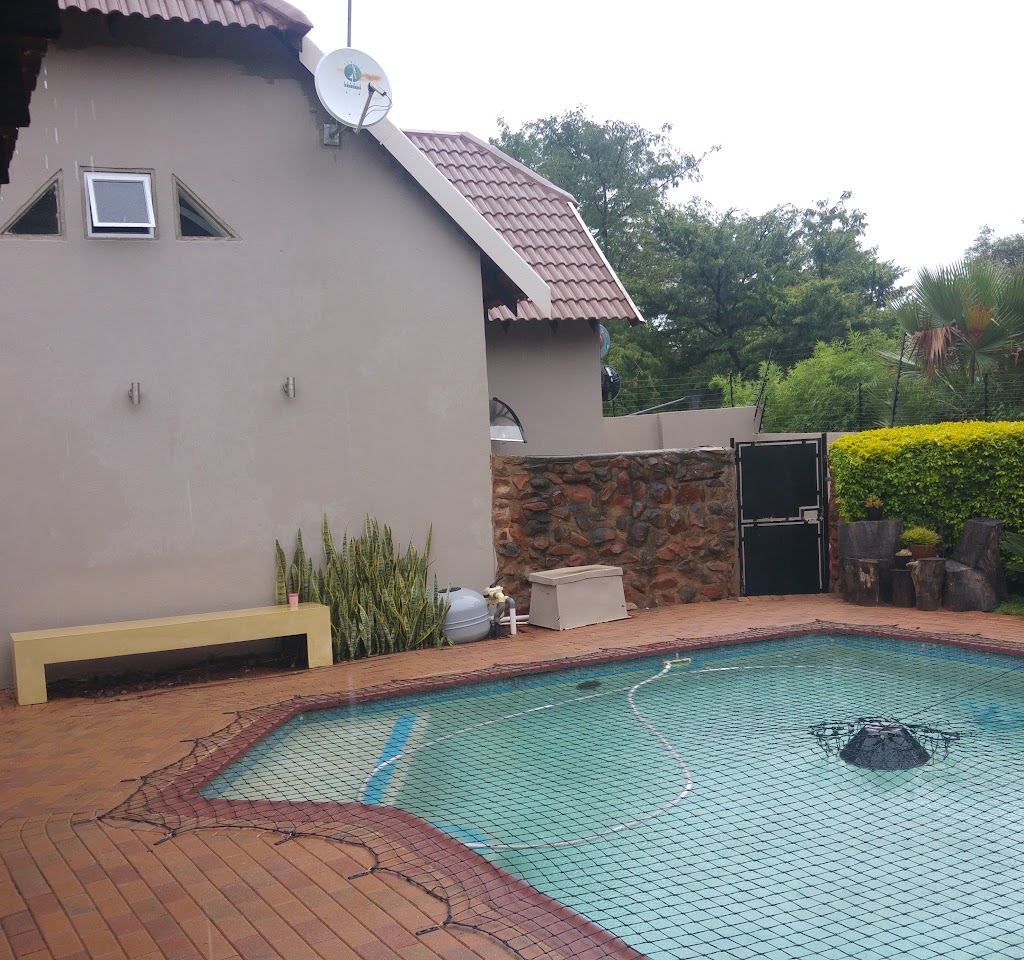
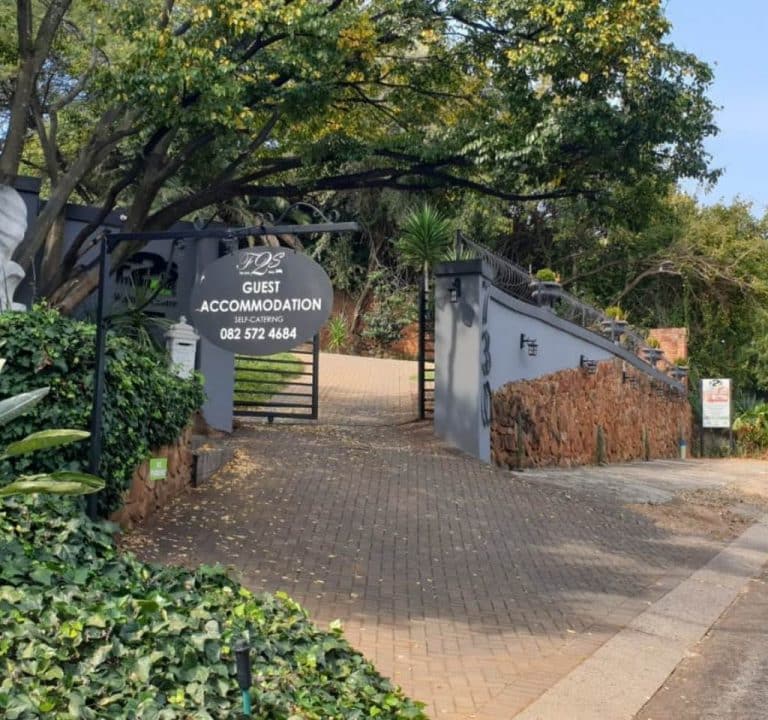
Accommodation in Pretoria ranges from intimate guesthouses to boutique hotels and larger, business‑oriented properties. Guesthouses and B&Bs can be found in tranquil suburbs a short drive from central sights, offering personalised service, cooked breakfasts and a homely atmosphere. If you prefer a more contemporary vibe with on‑site dining and conference facilities, there are several well‑positioned hotels in central areas. For families or longer stays, self‑catering options and serviced apartments in mixed‑use neighbourhoods provide flexibility and space. When booking, look for properties that clearly state the type of stay (guesthouse, B&B, hotel), what inclusions are offered (breakfast, parking, shuttle services), and guest reviews that reflect consistency in cleanliness and communication.
Areas to consider include:
- Central and government district areas near Parliament and historic sites, convenient for sightseeing on foot or short rides.
- Historically rich precincts with leafy streets and safekeeping of colonial architecture, offering a quiet backdrop for a restorative stay.
- Student-friendly neighbourhoods with a youthful energy, cafés, and easy access to public transport.
- Suburban villages known for boutique guesthouses, restful environments, and close proximity to parks and museums.
When booking, consider these practical factors. Location is key for reducing transfer times between activities; proximity to main roads, public transport hubs, and safe parking is a plus. Check what transport options are readily available, such as proximity to light rail, rideshare services, or car hire facilities. If you plan day trips to the countryside or regional attractions, confirm whether the property offers guidance on routes or partner shuttle services. Review cancellation policies, especially for stays during school holidays or peak travel periods, and look for properties with flexible terms.
Typical amenities to expect include comfortable bedding and adequate storage, a private or en‑suite bathroom, reliable hot water, and a secure environment. Many guesthouses provide a generous breakfast spread or on‑site dining, and some offer lounge areas, libraries, or outdoor spaces for al fresco meals. Wi‑Fi quality is important for planning day trips or staying connected, particularly if you are combining work with travel. For business travellers or longer visits, check for workspaces, coffee facilities, and accessible charging points. If you are sensitive to noise, review guest feedback about street sound levels or interior noise from corridors.
Getting around Pretoria can be straightforward with a mix of private transport and public options. The city is well served by taxis and rideshare apps, and the Gautrain offers quick links to Johannesburg, Johannesburg Park Station, and the airport corridor in O. R. Tambo region. Car travel is common, and many guesthouses provide on‑site parking or safe street parking. If you plan to visit multiple districts or suburban attractions, a day‑by‑day plan with time blocks helps ensure you see what you want without compromising rest.
The best time to visit Pretoria generally aligns with pleasant weather and active outdoor spaces. Spring (September to November) brings jacaranda blossoms in vibrant purple and comfortable daytime temperatures, great for walking tours and city strolls. Autumn offers mild conditions as well, while summer can bring afternoon showers and warmer days; winter is cool but generally sunny and perfect for cultural visits indoors or at museums. Public gardens, open-air markets, and historic monuments tend to be most enjoyable during these shoulder seasons.
Attractions and dining in Pretoria are abundant and varied, with museums, monuments, and parks offering a window into South Africa’s complex history and contemporary culture. You might plan visits to important national sites, followed by a meal in restaurants that emphasise modern South African cuisine, international flavours, or traditional dishes in relaxed settings. While specific venue names and prices are not 날짜ed here, you can expect a mix of casual eateries, mid‑range bistros, and curated dining rooms that showcase regional produce and thoughtful menus.
Practical tips to help you plan a smoother stay:
- Book accommodation with clear photos, up‑to‑date guest reviews and transparent policies on parking, cancellations, and breakfast service.
- Budget for transport between districts—short Uber or taxi rides are common, and a car gives you flexibility for day trips.
- Pack comfortable walking shoes for city exploration and a light jacket for cooler mornings or evenings.
- Check local calendars for public holidays, school events, or market days that can affect traffic or crowd levels at attractions.
- Respect local safety guidelines, especially when travelling with valuables or in busy areas after dark.
For planning inspiration and practical details, consult official tourism resources and hotel or guesthouse websites. They can offer current highlights, suggested itineraries, and practical tips tailored to your travel dates. A well‑chosen Pretoria base will set you up for a balanced experience of elegant architecture, cultural depth, and the warm hospitality South Africa is renowned for.