Durban: Where to stay, what to do, and how to plan a relaxed, traveller-friendly visit
Durban, perched on the KwaZulu-Natal coast, offers a lively mix of sub-tropical beaches, cultural experiences and easy access to the Drakensberg hinterland. When choosing accommodation, think about two key questions: which neighbourhood captures the vibe you want, and how you’ll get around. Durban’s climate is warm and humid most of the year, with a peak dry season in winter; planning around the weather can help you maximise outdoor time and beach days.
Areas to consider for your stay
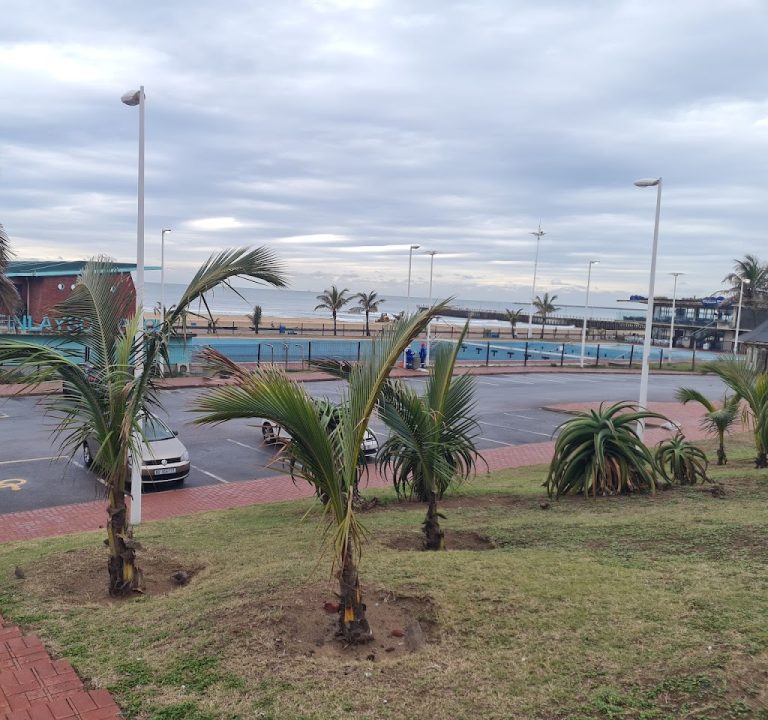
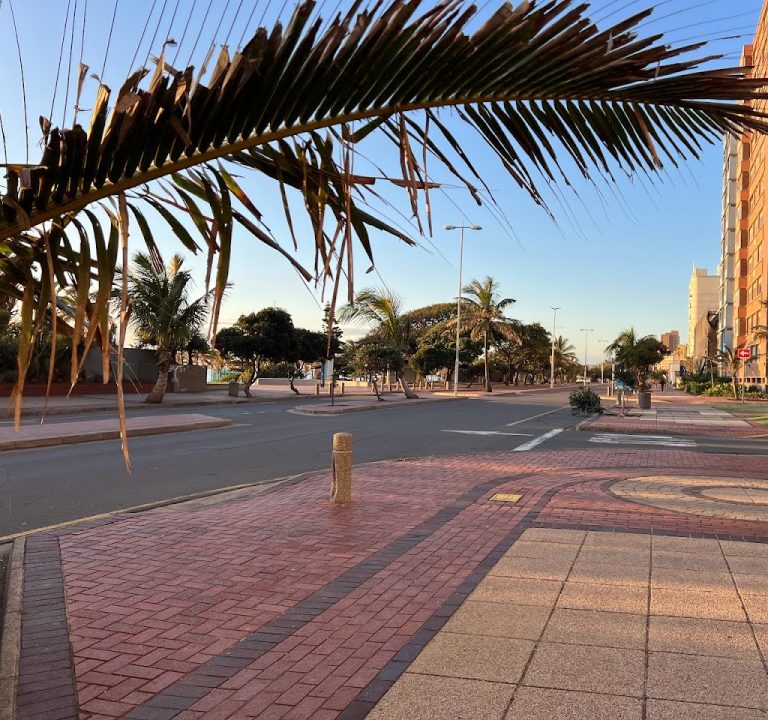
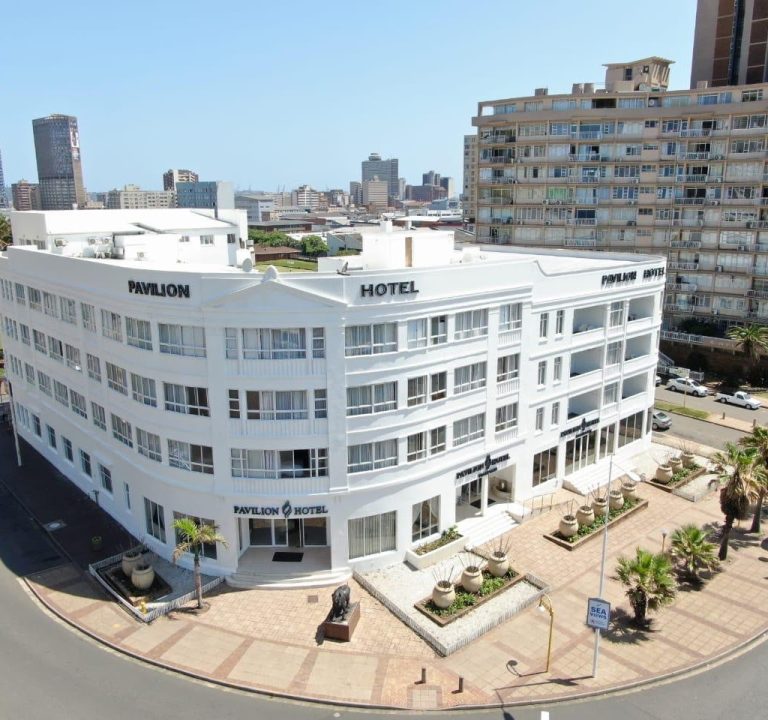
- The beachfront and Golden Mile: Ideal for first-time visitors who want convenient access to the sea, promenade strolls and a cluster of dining options. Many self-catering units, B&Bs and hotels here offer easy beach access and quick walks to cafes or markets. If you prefer a lively, walkable base with plenty of choice, this is a strong option.
- North Beach and Morningside: A balance of residential calm and urban convenience. These areas are well served by transport links, and you’ll find modern apartments and guesthouses that work well for longer stays or family visits. Look for properties with parking and secure access if you’re planning to venture beyond the immediate area.
- Umhlanga and the northern suburbs: A bit more relaxed and upmarket, with contemporary self-catering options, resorts and boutique stays. It’s also a quick gateway to the harbour and northern beaches, and offers a calmer pace if you’re seeking a sanctuary after day-trips.
- Greyville, Glenwood and Morningside: For those who want a more central, historically rich neighbourhood with access to markets, cafes and cultural sites. Properties here often offer stylish interiors and practical amenities for longer visits.
What to look for when booking
- Self-catering practicality: If you plan to cook for part or all of your stay, check the kitchen setup, the provision of essentials (pots, pans, utensils), and whether basic cleaning supplies are supplied. A good unit will have clear instructions, reliable water and electricity, and a sensible layout for groups or families.
- Comfort-focused amenities: Expect features like air conditioning or ceiling fans, dependable wi‑fi, comfortable bedding, a dedicated parking option if you will be driving, and clear, up-to-date safety information. In Durban’s climate, having a working air conditioner or good ventilation is particularly helpful during the warmer months.
- Outdoor access and security: Many travellers value easy access to outdoor space, whether a balcony, patio or shared garden, plus secure entry systems and a safe neighbourhood feel. Consider the proximity to pedestrian-friendly routes and well-lit streets for evening strolls.
- Transport arrangements: Durban benefits from a range of options, including local taxis, rideshares and bus routes. If you plan to explore beyond your base, choose accommodation with nearby transport links or with on-site parking. For day trips to inland attractions, note that some routes require a car or organised tours.
- Flexibility and communication: Clear cancellation policies, online check-in instructions and responsive hosts can ease the planning process, especially if your itinerary is subject to change. Read guest reviews to gauge reliability and the accuracy of listings.
Practical planning tips
- Best time to visit: Durban is warm most of the year, with peak beach season in the summer months. The winter period can be milder and more comfortable for sightseeing and hiking, though some sea-front amenities may have reduced hours. Consider shoulder seasons for good value and pleasant weather.
- Budgeting: Self-catering stays can be economical for longer visits, while central locations may carry a premium. Compare total costs, including cleaning fees and any security deposits, before booking.
- Packing essentials: Lightweight clothing for the coast, plus a light shawl for cooler evenings or air-conditioned interiors. Pack a sun hat, sunglasses and reef-safe sunscreen for days on the promenade or at the beach.
- Safety and local etiquette: Durban is cosmopolitan and welcoming to visitors, but as with all cities, stay aware of your surroundings, especially after dark and in crowded areas. Use reputable transport and keep valuables secure when you’re out and about.
- Accessibility: If you or your travel companions have mobility considerations, filter listings for accessible features and easy entry points. Clear information about entry thresholds, lifts and bathroom layouts will help you choose with confidence.
Attractions and experiences, in general terms
Durban’s coastline is a natural starting point, with long beaches, seawater pools, and the iconic promenade that encourages relaxed strolls between stops for coffee or a light bite. The city also has a rich cultural landscape, including museums and galleries that reflect its maritime heritage and diverse communities. For day trips, you can explore the nearby inland scenery, from rolling hills to dramatic escarpments, making a car or organised tour a practical option for broader exploration.
Dining and casual eateries span from traditional South African flavours to modern, international menus. In many districts you’ll find vibrant markets and street-food options alongside more established restaurants. When selecting evenings out, aim for venues close to your accommodation to keep travel time short after a day of sightseeing.
When booking, read guest reviews for practical insights about noise levels, cleanliness, and how accurately listings reflect the actual property. A well-chosen Durban base can anchor a comfortable, flexible itinerary, leaving you free to tailor each day to weather, energy levels and new discoveries.
Durban’s character lies in its warmth—of its people, its climate, and its coastal energy. With thoughtful planning, your stay can blend restful nights with lively days, making the most of the city’s coastal charm and convenient travel options.