Staying in Swellendam: accommodation, planning tips and local highlights
Decorated with Cape Dutch charm and dramatic mountain scenery, Swellendam in the Western Cape is a gateway to plant-rich nature reserves, historic streets and a relaxed, traveller‑friendly pace. Whether you’re seeking a cosy guesthouse, a boutique hotel, a self‑catering cottage or a stay at a working farm with fresh produce, Swellendam offers options that suit different budgets and travel styles. When planning a stay, it helps to consider the layout of the town, nearby attractions and practical transport arrangements so you can make the most of your time in this remarkably varied region.
Areas to consider for your booking include the historic town centre, where many guesthouses and small hotels cluster along leafy streets and the Marloth Park foothills offer tranquil rural settings. The town’s central district is ideal if you want easy access to shops, eateries and heritage sites on foot, while rural or farmstay options can provide a more immersive experience with expansive views and opportunities for outdoor activities. If you’re travelling with family or a group, look for self‑contained accommodation with a kitchen or kitchenette, or a small apartment that can keep costs predictable and comfortable during longer visits.
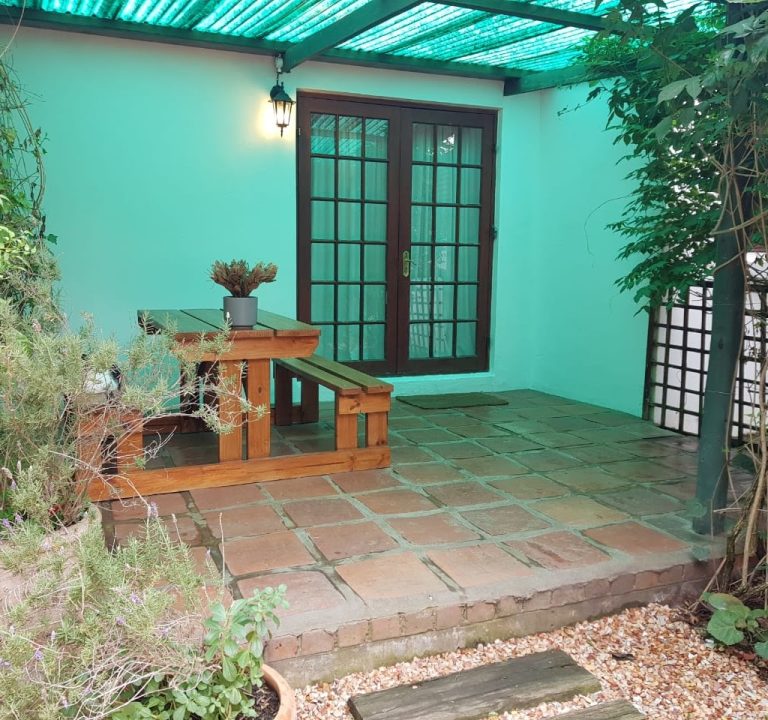
When booking accommodation, several practical features are worth prioritising. Central locations save time and fuel, especially if you plan to stroll to cafés and museums after a day of exploration. Check whether the property offers parking, as on‑street parking may be limited in busy hours. A reliable Wi‑Fi connection is particularly important if you are combining work with travel or sharing updates from the road. For those who enjoy a slower pace, verify that the living space has a private outdoor area or garden, which can be a pleasant place to unwind after a day of sightseeing or hiking.
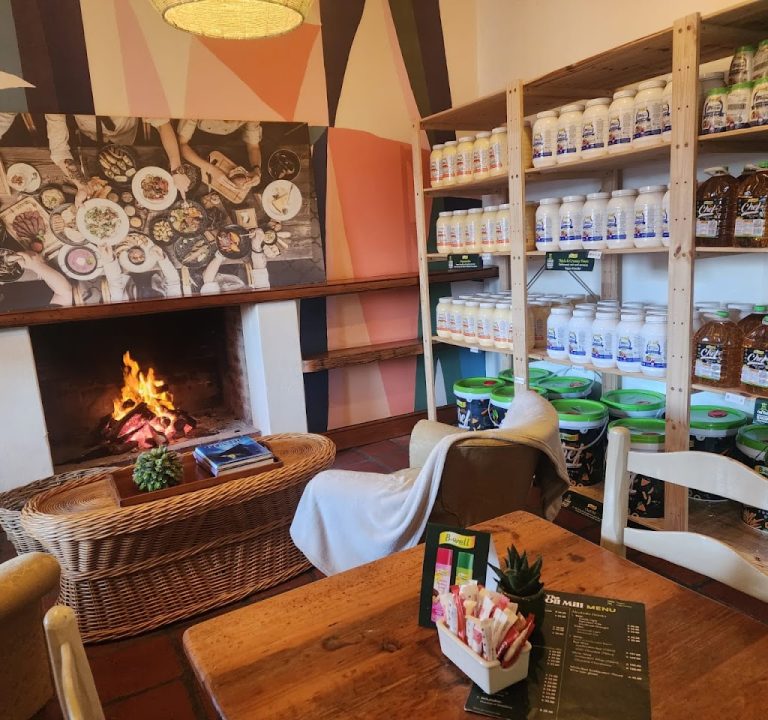
Amenities commonly found in Swellendam’s lodging options include comfortable beds with quality linens, ensuite bathrooms or well‑equipped shared facilities, modest kitchens or tea/coffee provisions, and access to laundry facilities. Some establishments offer breakfast or have dining rooms that showcase regional produce – a nice way to start a day of trail walks or cultural visits. If you are travelling with children or pets, filter searches for family‑friendly or pet‑friendly options and confirm any restrictions in advance. For longer stays, inquire about self‑catering facilities, storage for outdoor gear, and flexible cancellation terms that accommodate travel plans that can shift with weather or seasonal activities.
Transport in Swellendam is typically car‑centric. The town is well connected by the N2 and regional roads, making it convenient for road trips along the Garden Route or day trips to nearby nature reserves. If you arrive by public transport, arrange local transfers ahead of time when possible, as services can be limited outside peak hours. For many visitors, renting a car provides the most freedom to explore the surrounding winelands, fynbos reserves and scenic viewpoints at their own pace. If you prefer guided experiences, consider day tours that combine a visit to historic sites with wine estates or nature trails, ensuring you have a clear plan for the route and pick‑ups if included in the package.
Best time to visit Swellendam tends to align with the seasons and what you want to do. Spring and autumn bring milder temperatures and excellent conditions for walking, hiking and cycling. Summer offers longer daylight and a lively town atmosphere with markets and outdoor dining, but can be busier and warmer. Winter is cooler and quieter, which can be ideal for visitors who enjoy museum visits and cosy evenings in front of a fire. If you’re chasing wildflowers, plan ahead for springtime when a bloom of fynbos and other flora appears in the surrounding nature reserves. Always check local seasonal weather patterns and any nature reserve notices before heading out for hikes or longer day trips.
When outlining a practical itinerary, include a mix of accommodation days with at least one full-day exploration of the surrounding area. A balanced plan might feature a half‑day cultural circuit—visiting heritage sites or a museum—paired with a longer nature walk or a visit to a nearby reserve. For dining, Swellendam offers a range of eateries that showcase local ingredients, from casual cafés to more refined restaurants. Rather than relying on fixed recommendations, use a mix of online reviews and local hospitality advice to identify places with consistently good feedback on service, atmosphere and quality. Reservations are advisable during peak seasons, especially on weekends or holidays when demand increases.
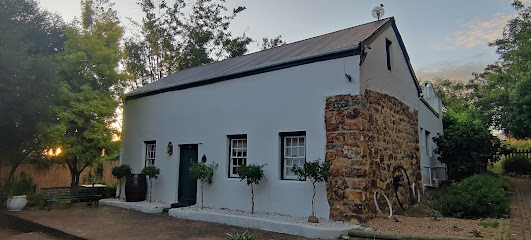
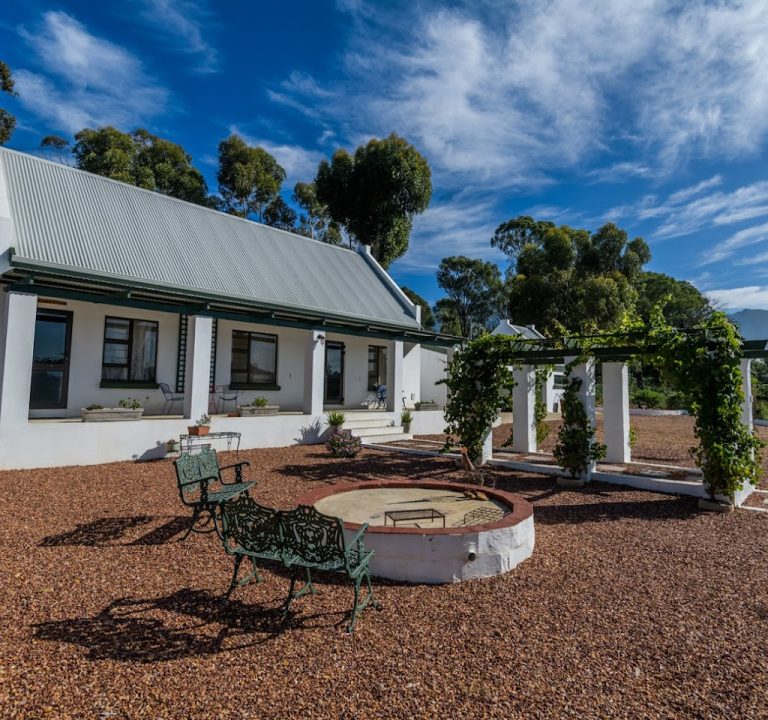
- Accommodation types commonly found in Swellendam: boutique guesthouses, guest cottage or self‑catering apartments, farm stays, and small hotels.
- Key planning considerations: location relative to town centre, parking, wi‑fi, self‑catering facilities, family‑ or pet‑friendly options, and flexible cancellation terms.
- Local activities to plan around: nature walks in nearby reserves, historic house and museum visits, optional farm or winery experiences, and leisurely meals at reputable restaurants.
For those seeking authentic local experiences, Swellendam’s atmosphere—friendly hosts, quiet lanes, and mountain horizons—provides a sense of place that enhances every stay. Before you travel, bookmark a couple of reliable websites or local guides to refresh your plans as weather, openings and events evolve. A well‑paced itinerary that blends comfortable lodging with light exploration can make your stay in Swellendam both restorative and memorable. And if you wish to explore further, Swellendam serves as a convenient starting point for broader Western Cape adventures, inviting you to return and discover more of the region’s beauty at your own pace.