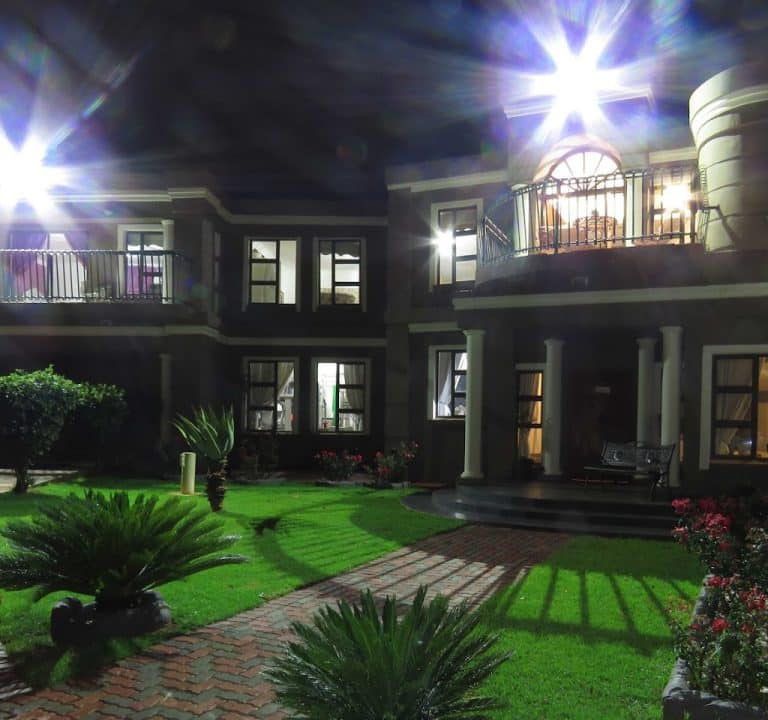
Accommodating Pretoria: Where to stay, what to expect, and how to make the most of your visit
Panoramic jacaranda-lined streets, wide avenues and a blend of modern malls with historic charm make Pretoria (often called Tshwane) a distinctive backdrop for a memorable South African sojourn. When planning accommodation, travellers should consider the city’s varied neighbourhoods, transport links and the rhythms of daily life that shape a stay. From leafy suburbs with boutique B&Bs to purpose-built hotels near business hubs, Pretoria offers options that fit business trips, family breaks or slow-tourist itineraries centred on culture, cuisine and nature.
Areas to consider for lodging include:
- Hatfield and Brooklyn: vibrant, walkable spots close to universities, coffee roasters, and dining options.
- Waterkloof and Lynnwood: upmarket neighbourhoods with leafy streets, embassies and prestige guesthouses.
- Menlyn and Menlyn Park precinct: modern hotels and easy access to shopping and public transport.
- Sunnyside and the Central Business District: more budget-friendly stays with convenient access to sights and nightlife.
- Centurion and surrounding suburbs: great for driving access to both the city centre and the Cradle of Humankind region.
When booking, consider the following to ensure a comfortable stay. Look for clear, honest room descriptions and up-to-date guest reviews that reflect current conditions. Check what’s included in the rate—free breakfast, parking, Wi‑Fi, and self‑c drive or public transport accessibility can significantly influence value. If connectivity is essential, confirm whether high‑speed internet and power back‑up are available, since load shedding can affect energy-dependent services. For families, verify the availability of family rooms or interconnecting spaces, and for solo travellers, a central and secure location with easy access to public transport can save time and effort.
Typical amenities that travellers value in Pretoria include:
- Comfortable beds and quiet rooms to encourage restful sleep after sightseeing or business meetings.
- On-site dining options or convenient access to local eateries, with a mix of contemporary cuisine and traditional flavours.
- Well-equipped kitchens or kitchenettes for self-catering stays, especially useful for longer visits.
- Secure parking or good public transport links to reduce battery drain on electric vehicles and comfort during early starts.
- Access to outdoor spaces or gardens, particularly in farmstay or suburban settings, which provide a refreshing break from city life.
Transport options in Pretoria are varied and can shape the planning of day trips. The Gautrain offers fast, reliable links to Johannesburg and OR Tambo International, with convenient connections to central Pretoria stations. Within the city, Uber, metre taxis and rideshare apps are commonly used, while some properties provide shuttle services or easy access to local bus routes. If you plan to explore beyond the city, having a car can be convenient, especially for trips to the Cradle of Humankind, wildlife reserves or the countryside around the Magaliesberg range.
The best time to visit Pretoria generally aligns with mild weather and comfortable sightseeing conditions. Spring (September to November) brings jacaranda bloom and pleasant temperatures, ideal for outdoor markets and garden visits. Autumn (March to May) offers warm days and cooler evenings, suited to dining al fresco and strolls through parks. Summer can be warm to hot with afternoon showers, while winter remains cool and can be crisp, particularly in the mornings and evenings. Pack layers, sun protection for daytime excursions, and a plug adaptor if you’re coming from outside South Africa.
Popular sights and experiences in and around Pretoria provide a balanced blend of culture, history and nature. Expect days that mix grand monuments and well-kept gardens with museums, art spaces and markets. Within the city, you’ll encounter impressive governmental buildings, historic squares and botanical displays that reflect the region’s heritage. For a broader sense of the Gauteng region, consider day trips to nearby nature reserves or protected landscapes where wildlife and scenic viewpoints can be enjoyed without long travel times.
Food lovers will find Pretoria’s dining scene diverse, ranging from modern bistros to traditional South African fare. While exact menus and prices vary, many eateries focus on freshly prepared dishes, seasonal ingredients and wholesome flavours. For those seeking a quick bite or a relaxed dinner after a day of exploration, you’ll discover a spectrum of venues close to most major accommodation hubs. If you’re staying at a farmstay such as The Oak Tree Pretoria, you can expect a rural setting that emphasises tranquillity and fresh, home‑style cooking, with links to local produce and countryside activities. For more information, visit The Oak Tree Pretoria.
Practical tips to help you plan a smooth stay:
- Book in advance, especially for peak travel periods and long weekends, to secure preferred locations and rates.
- Check access to public transport and the proximity to must‑see attractions or business districts.
- Consider the safety profile of the neighbourhood and choose accommodation with secure entry and good reviews regarding security.
- Prepare for load shedding by choosing guesthouses or hotels with power backup or generator support where possible.
- Carry a portable charger and a light rain jacket, as weather can be changeable, particularly in transitional seasons.
Whether you’re planning a cultural city break, a family escape, or a business visit, Pretoria offers a compact, approachable base with a range of stays that suit different styles and budgets. By choosing the right area, understanding what to expect from your accommodation, and planning around transport and seasonal conditions, you can enjoy a comfortable, well‑rounded visit to this dynamic Gauteng city.