Johannesburg: where to stay, what to do and how to plan your visit
Johannesburg, Gauteng’s vibrant gateway to South Africa, offers a dynamic mix of historic neighbourhoods, modern hotels and guesthouses, and a lively dining and arts scene. When planning a stay, think about what you want to experience most—cultural heritage, shopping and dining, or easy access to the city’s sights—and choose a base that minimises travel time for your priorities. The city is well connected by highways and public transport, with a growing network of safe, accessible routes for visitors.
Accommodation in Johannesburg ranges from stylish boutique hotels to contemporary city centre stays and homely guesthouses in leafy suburbs. Popular areas to consider include:
- Rosebank and the Rosebank Mall area, known for easy transport links, a vibrant market scene and close proximity to the Gautrain.
- Sandton, the business and shopping hub, offering upscale hotels, well-appointed apartments and access to major shopping centres.
- Maboneng and Braamfontein, which blend urban culture, galleries, cafés and a walkable street-scene perfect for travellers who want to be in the heart of the city.
- Newtown and the City Centre, with a developing arts quarter, historic buildings and a growing number of guesthouses and boutique stays.
When choosing accommodation, consider typical amenities such as reliable air conditioning (important for Johannesburg’s warm days), strong housekeeping, secure access, on-site dining or room service, and parking if you plan to hire a car. A well-equipped hotel or guesthouse might offer free Wi‑Fi, breakfast options, a 24-hour reception, and flexible check-in times—features that help you settle in quickly after a day of exploring. For longer stays, look for self-catering options or apartment-style rooms that give you the convenience of a home away from home.
Transport is a practical consideration. The Gautrain rail network links Johannesburg to Pretoria and the O.R. Tambo International Airport, offering a fast, reliable option to reach northern suburbs and Sandton. Within the city, rideshare apps, taxis, and private transfers are widely used. If you’re exploring suburbs such as Rosebank, Melville orParktown, a car or pre-arranged transfers can make day trips smoother, while central hotel bases provide easy access to guided tours and museums.
Best time to visit Johannesburg depends on your activities and tolerance for heat. The city enjoys a mild winter (May to August) with cooler, comfortable days and crisp evenings, making it ideal for city sightseeing and outdoor markets. Summer (November to February) brings warmth and occasional showers, which can be great for green spaces and gardens but may require flexible plans for outdoor activities. If your trip includes wildlife safaris as part of a broader itinerary, you might pair a stay in Johannesburg with a malaria-free safari region nearby.
Johnannesburg’s attractions span history, culture and natural beauty. You can explore the city’s evolution through museums and historical sites, spend time in art districts and markets, and enjoy views from prominent city landmarks. Beyond the core sights, neighbourhood strolls—whether through a restored inner-city district or a tree-lined suburb—offer insights into daily life, local eateries and independent shops. For many visitors, a day spent discovering galleries, design stores and coffee houses becomes a highlight alongside more formal attractions.
Dining in Johannesburg mirrors its multicultural fabric. You’ll find everything from traditional South African flavours to modern, cosmopolitan menus. In addition to restaurant recommendations, many stays offer curated recommendations or guest-curated itineraries, which can help you discover hidden gems, local trattorias, bistros and bustling markets. If you’re planning a food-focused visit, consider combining an atmospheric dinner in a stylish hotel restaurant with a daytime market or a light lunch in a trendy café, followed by an evening performance or live music venue—both popular in many districts of the city.
To help you plan a comfortable stay, here are practical tips:
- Book accommodation with reliable security, good lighting and well-lit streets nearby, especially if you’ll be out exploring in the evenings.
- Check access to public transport or reliable parking, and confirm late check-in options if you plan to arrive after hours.
- Look for properties with clear policies on housekeeping, breakfast service and any extra fees so you’re not caught by surprise.
- Pace your days with a mix of indoor and outdoor activities to stay cool or warm as needed, depending on the season.
- Plan a day to visit cultural centres or markets early in the day to beat crowds and enjoy fresh offerings.
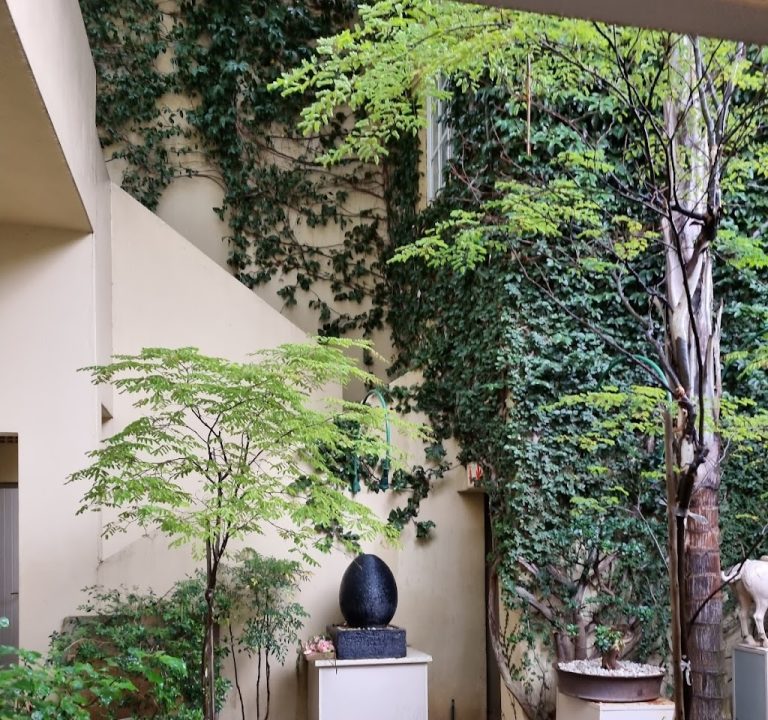
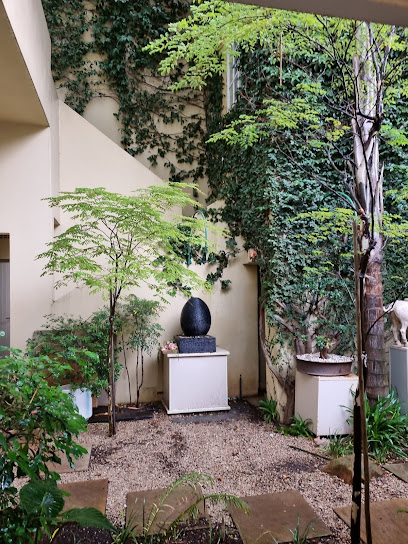
For a guest-friendly base with a refined character, you might consider boutique options that combine comfortable rooms with stylish interiors and thoughtful service. One standout option in the city’s boutique sector is The Munro Boutique Hotel, which offers a refined stay within easy reach of many attractions. Details and reservations can be found on the hotel’s website: The Munro Boutique Hotel.
Finally, tailor your itinerary to your pace. A mix of well-located accommodation, flexible transport options and a balanced schedule of museums, markets and parks will help you enjoy Johannesburg without feeling rushed. With a thoughtful base and good planning, you’ll experience the city’s energy and hospitality while keeping travel resilient and enjoyable.