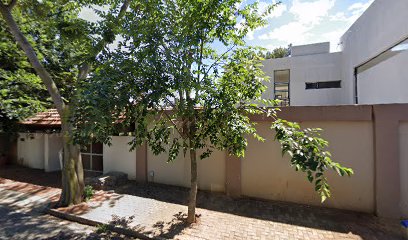
Johannesburg: where to stay and what to do
Johannesburg, Gauteng, is a dynamic city that blends modernity with rich history. When planning a stay, consider a neighbourhood that matches your interests, accessibility needs and pace. From leafy suburbs offering elegant guesthouses to vibrant urban hubs with contemporary apartments, the range of accommodation options makes it possible to tailor a base to suit both relaxed weekends and longer explorations.
Areas to consider
- Sandton and Rosebank: busy, well connected and full of shopping, dining and business opportunities. These areas are convenient for optimise travel around northern Johannesburg and the Gautrain network.
- Braamfontein and Maboneng: for those who prefer a city-centre stay with easy access to galleries, cafés and nightlife. These districts tend to be lively and compact, ideal for walkers who want to explore on foot.
- Melville and Norwood: bohemian and laid-back quarters with characterful boutique stays and a selection of restaurants, coffee shops and indie shops.
- Soweto: for an immersive history and cultural experience. If selecting accommodation here, look for trusted operators that prioritise safety and guided local insights.
- Hyde Park and Fourways: modern hotels and serviced apartments with easy access to business parks, large shopping centres and well-marked routes.
What to look for when booking
- Location versus convenience: weigh proximity to key sights, business meetings or transit hubs against the atmosphere you want — a cosmopolitan core or a quieter garden suburb.
- Transport access: check proximity to major routes, Rissik Street or city-centre corridors, and how easy it is to reach the Gautrain stations or ride-hailing drop-offs.
- Security and access: many properties offer secure parking, controlled entry or 24-hour reception. If you plan to stay out late, ensure the route back to your lodging feels safe.
- Amenities that matter: reliable Wi-Fi, a comfortable workspace, a well-equipped kitchenette or fridge, on-site parking and a good breakfast offering can significantly influence the stay.
- Flexibility and cancellation: in a city with changing events and weather patterns, flexible booking policies and transparent terms are worthwhile.
- Realistic expectations: read recent guest reviews for updates on maintenance, cleanliness and staff responsiveness.
Typical accommodation formats
- Boutique guesthouses and B&Bs: characterful rooms, personalised service and a chance to sample local hospitality and morning meals.
- Inner-city apartments: stylish, self-catering options with living space and kitchen facilities, often positioned in mixed-use buildings with easy access to dining and culture.
- Hotels in mixed-use districts: mid-range to upscale options that balance convenience with comfort, usually offering reception, housekeeping and on-site dining.
- Indoor lodging such as The Moot House: for travellers seeking a private base with dependable facilities and a straightforward stay in a practical setting.
Practical tips for planning
- Seasons and weather: Johannesburg has a dry, mild winter and a summer with thunderstorms. May to September is often pleasant for daytime exploration, while summer can bring heat and showers, so pack light layers and a compact umbrella.
- Plan in blocks: group day trips or guided experiences by geography to minimise time spent in transit. For example, combine a Soweto heritage circuit with a visit to the Apartheid Museum, followed by a meal in a nearby precinct.
- Eating and dining habits: expect a mix of local and international cuisine. Many properties can recommend reliable neighbourhood spots for breakfast, brunch and dinner; try to sample a few distinctly local offerings while in the city.
- Getting around: ride-hailing services are widely used, and the Gautrain connects to nearby airports and other major cities. If you plan longer day trips, consider arranging a reputable guide or driver, particularly for smaller towns or regions surrounding the city.
- Safety and discretion: as in any large city, stay aware of your surroundings, secure valuables, and reserve rooms with good street-facing visibility or inner-secure corridors. Night-time travel between neighbourhoods is safer when planned with reputable transport services.
- Time management: allow some flexibility. While central areas offer a lot within walking distance, longer day trips will benefit from pre-booked tours or a car and driver for the day.
What to do and see (general terms)
- Cultural and historical centres offer insights into Johannesburg’s diverse heritage, including significant social and political chapters.
- Markets, galleries and street art provide a window into contemporary urban life and creative expressions.
- Parks and outdoor spaces offer places to stroll, picnic or simply take in the city’s skyline.
- Dining districts present a spectrum of flavours, from light meals to more substantial affairs, often with seasonal menus and locally sourced ingredients.
Best time to visit
- The city is accessible year-round, but the best times are typically spring and autumn when temperatures are comfortable for outdoor activities and day trips.
- If you plan to combine city exploring with longer excursions to nearby towns or natural reserves, calibrate a route that minimises backtracking.
Practical planning checklist
- Confirm the neighbourhood and transport arrangements for your dates.
- Check what is included in the rate (breakfast, parking, wifi, housekeeping) and whether there is a cancellation buffer.
- Review accessibility needs and confirm room layout and features before arrival.
- Identify a few dining options and reserve where possible, especially in popular areas.
- Compile a list of key sights and draft a realistic daily plan to balance discovery with downtime.
Website links
- For more ideas on accommodation options in Johannesburg and practical travel tips, you can explore local tourism resources and booking platforms that specialise in Gauteng stays.
The Moot House and other indoor lodging options in Johannesburg offer practical bases from which to explore the city’s compelling contrasts — from historic townships and museums to modern dining scenes and vibrant urban quarters. With thoughtful planning, a stay can be relaxed yet well-curated, allowing time to absorb the city’s energy while returning to a comfortable retreat at the end of each day.