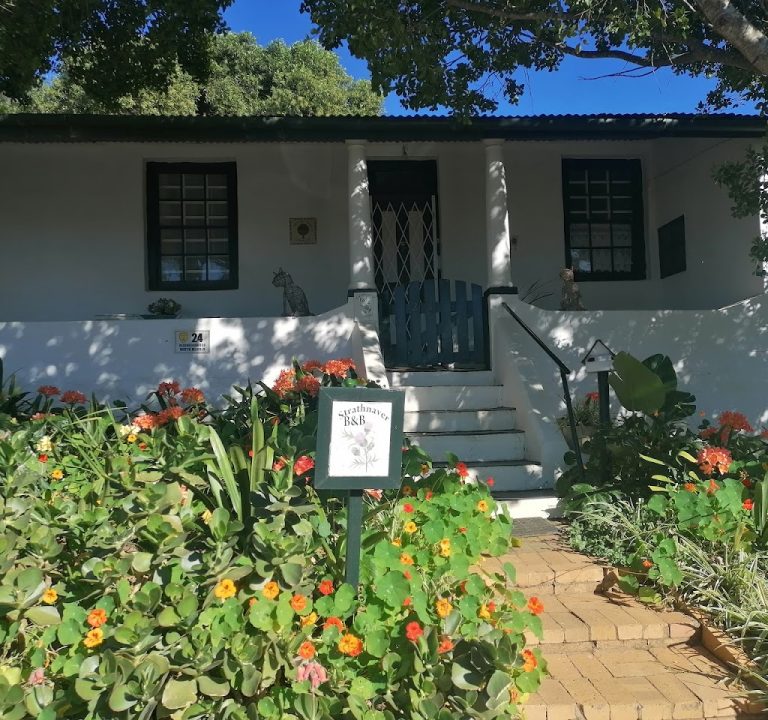
Accommodation and Experiences in Darling, Western Cape: Plan Your Stay in a Charming South African Village
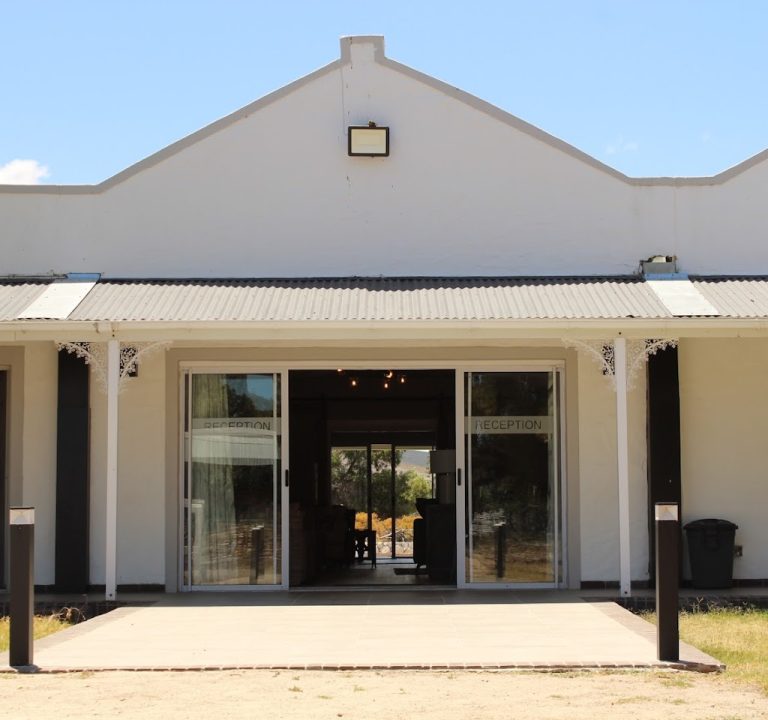
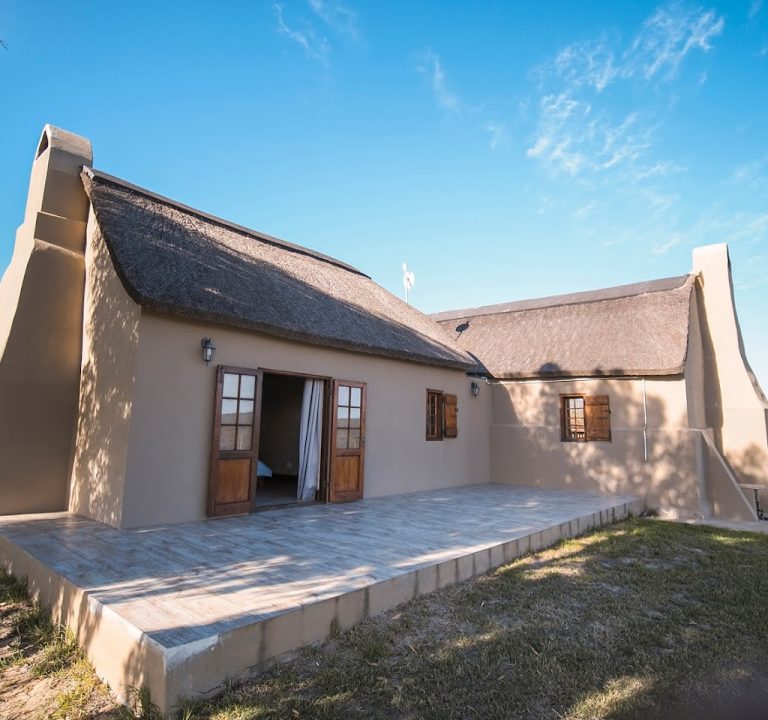
Darling sits between the Klein Karoo and the Atlantic coast, a tranquil village that offers a refreshing alternative to more crowded seaside towns. It’s well suited for travellers who want a relaxed base with easy access to the winelands, strawberry fields, and scenic countryside. When planning a stay, think about a mix of comfort, location, and easy transport to the surrounding attractions. Accommodation in Darling ranges from country lodges and guesthouses to small hotels that embrace the village’s character, with kitchens or self‑catering options and warm, personalised service.
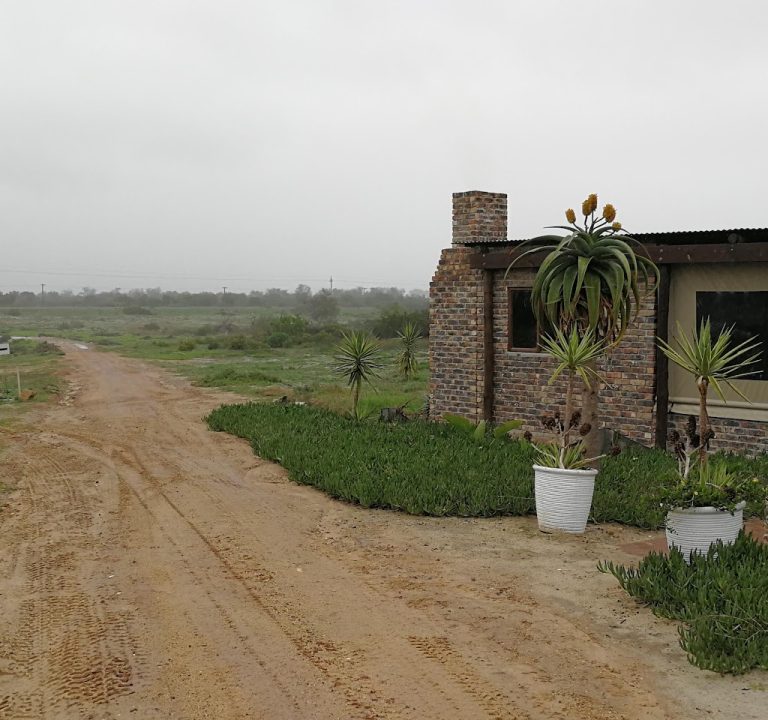
Areas to consider when choosing where to stay include the historic village centre, where boutique stays capture the local flavour and provide convenient access to eateries, craft shops, and the museum. For a quieter retreat, look towards the outskirts where you’ll find country lodges and farm‑style guesthouses set among orchards or vineyards. If you prefer to wake to expansive views, select a property with panoramic hillside or valley outlooks. Think about how you’ll get around: a short Uber or taxi ride works for evenings out, while a car offers the most flexibility for day trips to farms, wine estates, and coastal towns nearby.
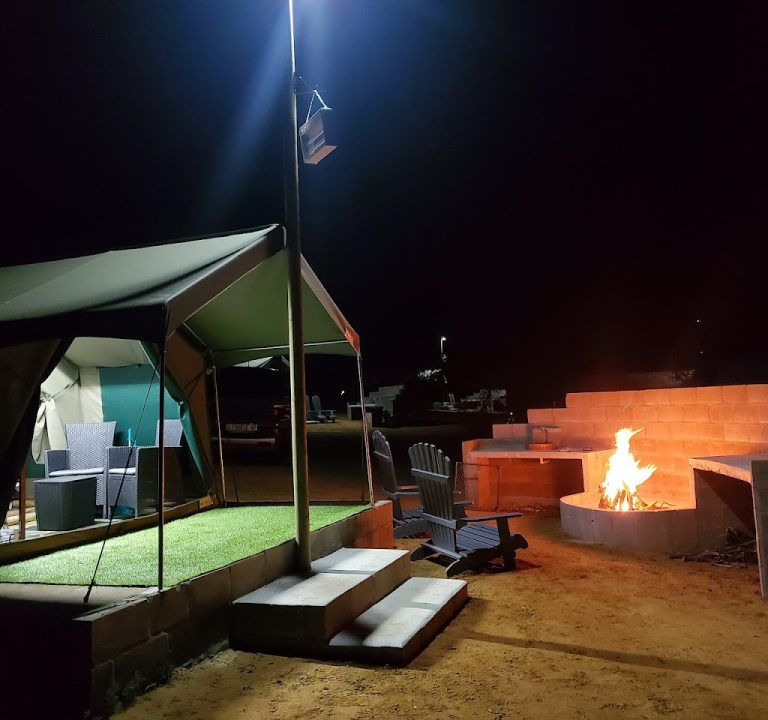
Typical amenities in Darling’s accommodation options often include complimentary Wi‑Fi, private or en‑suite bathrooms, and comfortable common areas for socialising or relaxing after a day of exploring. Many properties offer breakfast concepts, either a starter continental spread or a full home‑cooked meal, and some provide on‑site dining or partnerships with nearby eateries. If you’re travelling with family or a group, look for family rooms or suites, parking facilities, and flexible cancellation policies. For travellers who enjoy outdoor activities, inquire about outdoor spaces such as terraces, patios, braai areas, or garden paths that invite a morning coffee amidst birdsong.
Transport around Darling is straightforward. A car is the most practical option for exploring the wider region, including nearby wine routes, nature reserves, and the coastal strip. Some accommodation providers offer shuttle services or can arrange guided tours to nearby farms. If you’re flying to the area, the closest international gateways are a drive away, and regional roads connect Darling with other towns in the Western Cape. When planning day trips, factor in travel time between estates, farms, and viewpoints, and consider starting early in the day to beat peak traffic and to enjoy cooler mornings in the vineyards.
The best time to visit Darling depends on what you want from your trip. Spring and autumn provide mild temperatures and shifting colours in the countryside, with often clearer skies for photography. Summer brings longer days and the possibility of coastal breezes, making outdoor activities more pleasant, while winter offers a quieter atmosphere and cooler evenings in the guesthouses and lodges. If you’re visiting for farm or wine experiences, check local calendars for harvest periods or seasonal events, but be prepared for more limited availability during peak production times. Booking in advance is wise during school holidays and long weekends, especially for popular countryside stays and intimate boutique inns.
Activities and attractions in and around Darling are focused on nature, heritage, and rural charm. Visitors often enjoy wandering through the village to observe architecture and local gardens, visiting nearby farms and orchards for seasonal fruit experiences, or taking a gentle stroll along rural paths and coastal roads. The surrounding region offers wine routes where you can sample varietals and meet the people behind the bottle, as well as nature reserves or protected areas ideal for birdwatching and photography. For a relaxed day, consider a visit to a local market or café where you can sample fresh produce and regional baked goods in a cosy setting.
Dining in Darling tends to highlight fresh ingredients, with menus that reflect the agricultural surroundings. Expect informal eateries, family‑run cafés, and restaurants that pair light lunches with regional wines. Many places emphasise a welcoming atmosphere, with uncomplicated, seasonally driven dishes. If you’re planning to dine out often, ask your host or the front desk for recommendations on nearby options that suit your budget and taste, and consider making a reservation for weekend appearances or busy periods.
Practical tips to help you make the most of your stay:
- Book a centrally located base if you plan to explore the village on foot and prefer shorter commutes to cafés and galleries.
- Confirm check‑in and check‑out times in advance, along with any self‑catering details or meal options offered by your accommodation.
- Ask about transportation options, including shuttle services or guided tours, to simplify day trips to farms or coastal towns.
- Pack layers for variable weather, sun protection for outdoor days, and comfortable footwear for countryside walks.
- Respect local customs and farm schedules; many experiences are seasonal and weather dependent, so flexibility helps.
For inspiration and planning ideas, you can explore official tourism resources and local visitor guides to see how Darling fits into a broader Western Cape itinerary. A stay in Darling pairs the laid‑back charm of a village with access to the wider region’s landscapes, winelands, and coastal beauty, making it an excellent choice for travellers seeking a peaceful retreat with the option to embark on easy day trips. Sample itineraries often encourage combining a few nights in Darling with a drive through nearby towns and vineyards, returning to your base each evening to enjoy a warm welcome and a restful night’s sleep.