Accommodation and experiences in Gqeberha, Eastern Cape
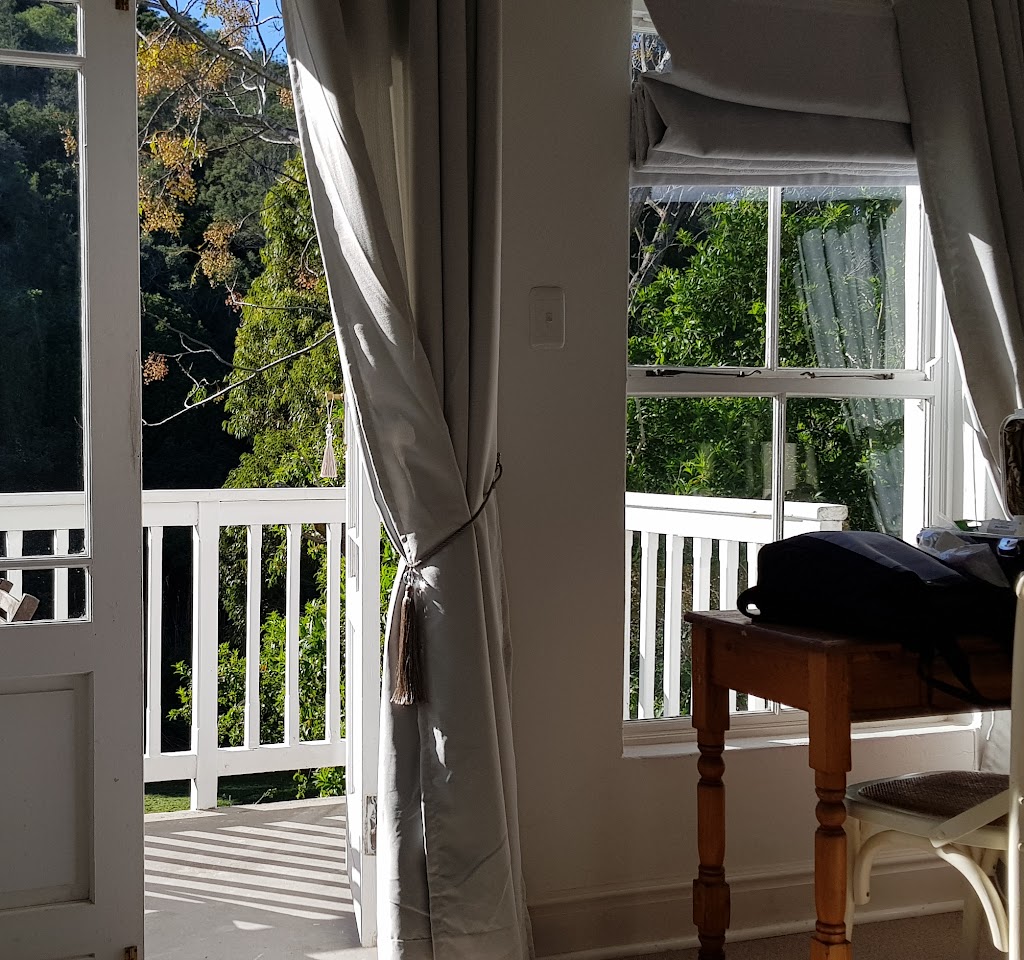
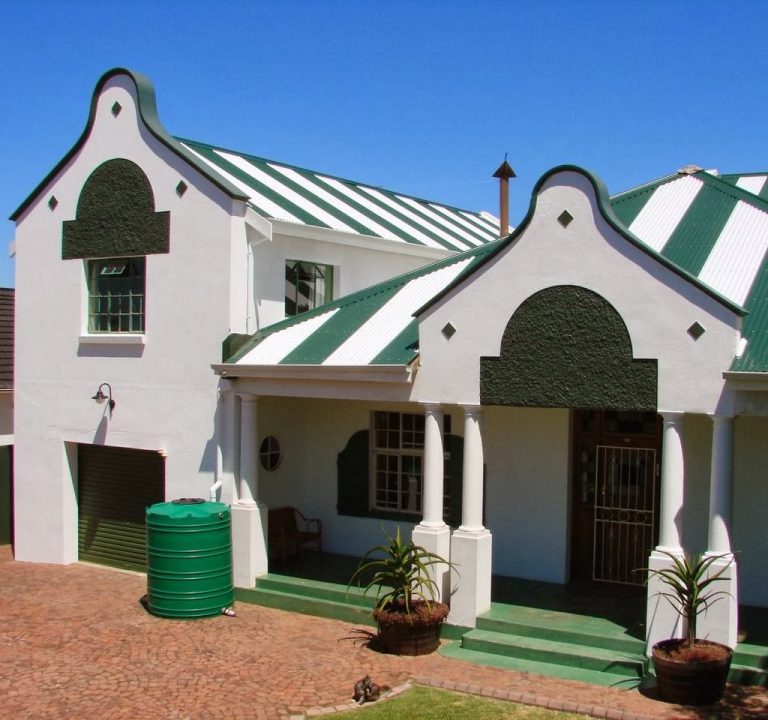
Gqeberha, formerly known as Port Elizabeth, offers a diverse range of places to stay that suit different rhythms of travel. From boutique hotels in leafy neighbourhoods to comfortable guesthouses near the beachfront, the city makes an ideal base for exploring the Eastern Cape coastline, wildlife experiences, and cultural heritage. The Loft at Essexvale, one example of a charming hotel-style accommodation, can provide a restful retreat while you plan longer day trips or city rambles. When choosing where to stay, consider the area’s vibe, proximity to activities, and how you prefer to move around.
Neighbourhoods and what they offer
- Beachfront and Humewood: Easy access to the sea, promenades, and a more relaxed pace. This area is well suited to travellers who want mornings by the shore and evenings with a cosmopolitan dining scene nearby.
- Summerstrand: A popular choice for families and water enthusiasts, with convenient access to beaches, surf spots, and nearby amenities. It can be quieter at night, which suits guests seeking a restful base while still being central.
- Central and Walmer: Great once you want straightforward transport links and a more urban atmosphere. These areas often place guests closer to markets, cafés, and practical services.
- Suburban boutique options: Smaller guesthouses and inns tucked away in residential streets can offer personalised service, quieter rooms, and a more local experience.
Booking tips and what to look for
- Location versus convenience: Decide if you prioritise beach access, a short Uber ride into town, or proximity to a specific attraction. Consider the time you’ll spend out and about versus time spent in the room.
- Room configuration and amenities: Look for en-suite bathrooms, adequate storage, reliable Wi‑Fi, air conditioning or fans for warm months, and flexible check-in arrangements. A good coffee corner or a small kitchenette can be a real bonus for longer stays.
- Safety and security: Enquire about secure parking, CCTV, and well-lit entry points, especially if you are travelling with children or late activities. Many properties offer secure access and on-site parking.
- Accessibility and transport: If you plan to rely on taxi services or public transport, check how easy it is to reach main routes, car hire outlets, or ride-hailing options from your chosen accommodation.
- Cancellation policy and value: Read the terms carefully, particularly for stays with flexible dates or low-season pricing. Regularly, properties in popular months move quickly, so knowing the cancellation window is prudent.
Typical amenities to expect
- Breakfast options: A traditional full or continental breakfast is common and can save time in the mornings, though some properties offer self-catering facilities for independence.
- Outdoor spaces: Many hotels and guesthouses feature verandas, courtyards or small gardens, ideal for a late afternoon drink or a quiet read.
- Pools or near-water access: A pool can be a welcome feature on hot coastal days and provides a relaxed retreat after sightseeing.
- Business-friendly touches: Free Wi‑Fi, work desks, and convenient charging points are handy for travellers who combine work with leisure.
- Concierge knowledge: Front desk teams often offer practical tips on routes, permits for day trips, and recommendations for local eateries and experiences.
Transport and practical planning
- Getting around: The city is serviced by a variety of transport options. If you plan day trips to coastal spots or wildlife reserves, consider renting a car or arranging guided tours. Rideshare services are commonly available and can be a manageable option for city sections.
- Best time to visit: The warm summer months bring beach weather and longer days, while spring and autumn offer pleasant temperatures for outdoor activities without peak crowds. Winters are milder than many inland regions, which can be advantageous for visitors seeking a quieter stay.
- Practical tips: Pack light layers for fluctuating coastal temperatures, sun protection for day trips, and a reusable water bottle. If you intend to explore more rural or wildlife experiences, pre-arrange transfers or guided excursions to optimise time and safety.
Attractions and experiences, in broad terms
- Coastal activities: Beach walks, swimming, and watersports features prominently, with calm bays suitable for families and adventurous souls alike.
- Wildlife and nature: The region offers access to parks and reserves where you can learn about local flora and fauna, as well as seasonal birdlife.
- Cultural and historic highlights: Visitor experiences often include galleries, museums, and public art spaces that celebrate the region’s diverse heritage.
- Dining and casual meals: A mix of casual cafés, seafood-focused eateries, and modern bistros provide options for easy meals between activities. You can expect places that emphasise fresh, local ingredients without overstating prices or claims.
Planning a well-rounded stay
- Build a loose itinerary: Begin with a couple of anchor activities (such as a coastal stroll and a cultural or natural outing) and leave room for spontaneous discoveries, such as a recommended restaurant or a market stall.
- Balance pacing: Mix days with early starts and easier afternoons to avoid fatigue, especially if you’re moving between attractions or long drives.
- Local insights: Tap into guesthouse or hotel reception for up-to-date suggestions on seasonal events, markets, and neighbourhood favourites. They can guide you to authentic experiences that aren’t always listed in travel guides.
In summary, Gqeberha provides a spectrum of accommodation options that can suit both the pace of a beach holiday and the curiosity of a cultural city break. By choosing the right neighbourhood, confirming essential amenities, and planning practical transport, you can craft a stay that feels both relaxed and rewarding. For further inspiration, explore reputable hotel and guesthouse websites and local visitor resources to tailor your trip to the season and your interests.