Napier, Western Cape: Accommodation, Attractions and Planning Your Stay
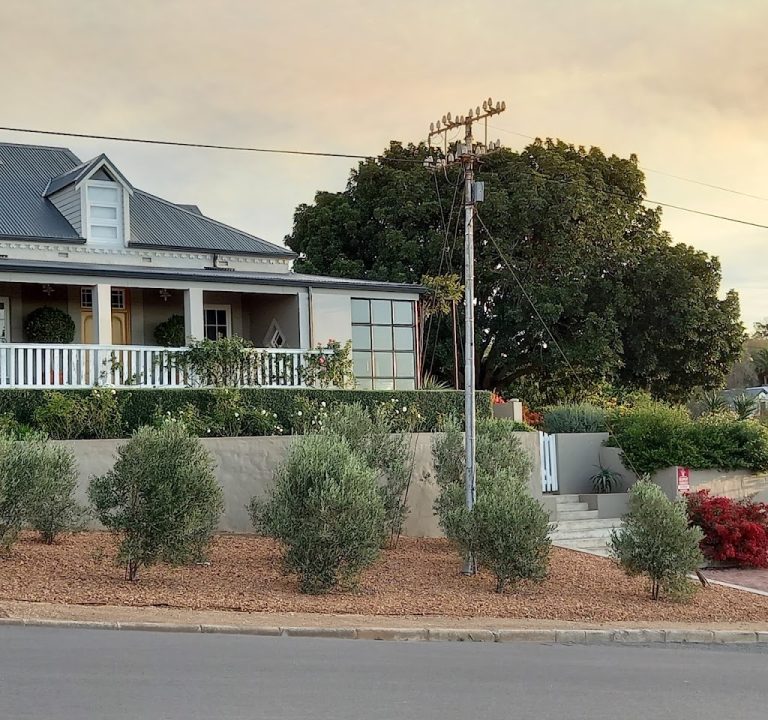
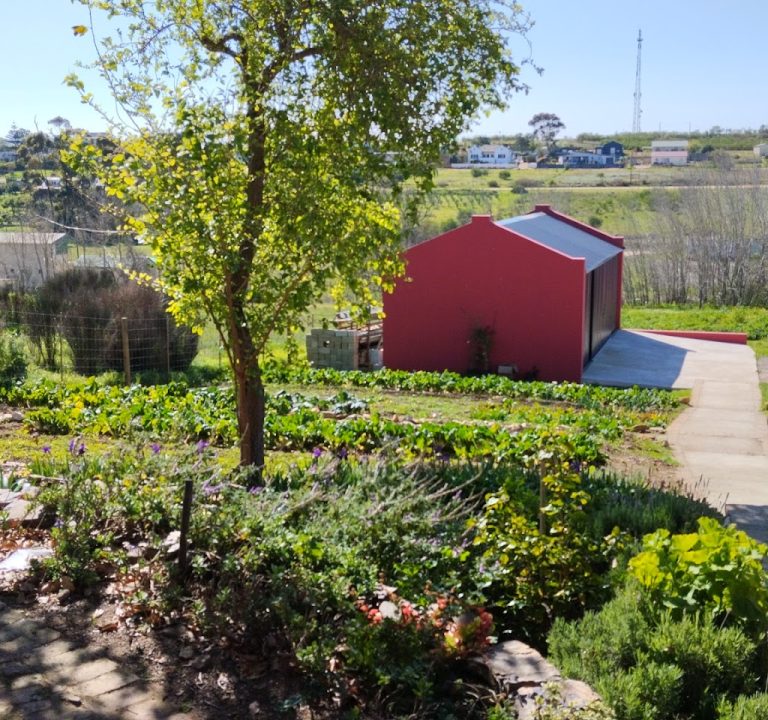
Napier, a small town carved from the arid plains of the Western Cape, offers a relaxed rural retreat with easy access to the wider region’s landscapes and flavours. When choosing a place to stay in Napier, consider the character of the area you want to base yourself in. The village centre tends to be walkable and convenient for exploring heritage sites and farm stalls, while hillside or outlying guesthouses can provide more expansive views and a sense of seclusion. Either way, Napier-based accommodation frequently pairs warm hospitality with simple, authentically South African surroundings.
In Napier you will typically find guest houses and B&Bs that emphasise a friendly, home-from-home atmosphere. Common amenities include comfortable en-suite bedrooms, secure parking, and a hearty breakfast to start your day. Many properties offer additional touches such as outdoor seating areas, gardens, and, where the climate allows, a refreshing pool. Wi‑Fi is often available, but it is wise to confirm coverage if you plan to work remotely or stream media during your stay. If self-catering is important, look for units with kitchens or kitchenette facilities, and check whether there are communal spaces where guests can prepare simple meals.
To plan your stay effectively, think about your pace and priorities. Do you want a peaceful escape with long views over the plains, or easy access to village amenities and talking to local residents? If you value quiet mornings, a guesthouse set back from the main routes can be ideal. For those who enjoy social experiences, a property near cafes, bakeries or a local farmers’ market can be very rewarding—while still preserving plenty of space and privacy. In rural parts of the Western Cape, a reliable host or host-organisation can be instrumental in curating easy day trips and recommendations for authentic experiences.
Transport in and around Napier is typically car-orientated. A private vehicle is the most convenient way to reach Napier’s accommodation, explore surrounding farms and head to nearby towns or viewpoints. If you are flying in from farther afield, plan your route with time for stretch breaks and scenic detours. Some guesthouses may offer airport or local transfers by arrangement, but you should not assume this is universal. Check parking arrangements, as on-street spaces may be limited in the heart of the village while many guesthouses provide private parking or secure facilities.
The best time to visit Napier depends on what you want from your trip. Spring and autumn usually bring milder days and pleasant evenings, which are ideal for outdoor walks and relaxed farm-table dining. Summers can be warmer, with long daylight hours—great for outdoor activities and photographing the open landscapes. Winters are typically cooler and can be misty or chilly; if you enjoy cosy evenings by a fire, a winter stay can be particularly appealing. Regardless of season, it’s wise to check local weather forecasts and pack layers, sun protection, and a light rain jacket for changeable conditions.
When selecting a place to stay, look for these practical details:
- Privacy and layout: en-suite bedrooms, separate entrances, and garden access can enhance comfort.
- Food options: a generous breakfast is common; inquire about dinner availability or nearby dining options if you prefer not to drive.
- Accessibility: if you have mobility needs, ask about ground-floor rooms and ramp access.
- Connectivity: confirm Wi‑Fi reliability if you need it for work or streaming.
- Environment: check if the property has sustainable practices, such as water-wise gardens or solar power, which can enhance the stay’s sense of place.
Napier is well placed for exploring the wider Western Cape countryside. Visitors often enjoy scenic drives, gentle hikes, and the chance to observe rural life at a relaxed pace. While you should not rely on a bustling nightlife, Napier offers a pleasant backdrop for slow travel, photography, and gastronomic explorations that celebrate local produce. For a broader experience, you can spend a day exploring nearby towns and countryside routes, sampling wines and regional produce along the way, subject to current routes and seasonal offerings.
When it comes to dining and experiences, plan to enjoy local, seasonal fare where available and ask hosts for recommendations. Many visitors discover that the most memorable meals come from small eateries and farms that specialise in robust, country-style cooking, paired with wine or fruit-based beverages from nearby producers. In addition, you can find guided walks, cultural heritage sites, and rural activities such as farm tours or city-to-country transfers organised through local operators or guesthouses. Always confirm what is included in your booking and what experiences can be arranged through your host.
Booking wisely can make all the difference. Read guest reviews for real-world insights into cleanliness, service, and the guest experience. Compare a few options in the village centre and surrounding countryside to balance convenience with privacy. If you are travelling with children or with friends, check how many guests a room can accommodate and whether common spaces will work for your group. Finally, confirm cancellation policies and any seasonal variations in rates, so you can adapt plans if weather or travel conditions change.
For more inspiration and practical planning, you can explore regional tourism resources and general travel information online. A visit to Napier can be a serene and authentic escape within the Western Cape, offering rural beauty, welcoming accommodation, and the chance to slow down and enjoy rural South Africa at its own pace.