Johannesburg: accommodation choices, areas to consider, and essential tips for planning your stay
Johannesburg, or Jo’burg as many locals say, is a dynamic hub of culture, landscapes, and urban energy. When planning a stay, think about what you want to experience and how you prefer to move around. The city offers a range of accommodation types—from intimate guest houses to modern hotels and boutique stays—across a few well‑established neighbourhoods. Whether you are chasing a creative scene, a convenient base for business, or close proximity to museums and markets, there is an option to suit most itineraries.
Areas to consider, depending on your interests and pace, include:
- Sandton: a modern, business‑oriented district with upscale hotels, shopping malls, and easy access to rail links for day trips outside the city.
- Rosebank and Melville: lighter crowds, boutique guest houses and a friendly, walkable vibe with markets and eateries.
- Maboneng Precinct and Braamfontein: a creative heartland with trendy stays, cafés, and a vibrant arts scene—great for evenings out and easy access to galleries and studios.
- Soweto and the south-west: a historic area offering guest houses and guided experiences that provide insight into urban history and community life.
- Johannesburg CBD (central business district): for those seeking budget‑friendly stays and proximity to heritage sites, theatres, and notable markets.
When booking, consider what you value most in a base. A few practical points to guide your selection:
- Safety and access: look for secure entry and on‑site staff or 24‑hour reception; check reviews for neighbourhood safety and ease of arrival after dark.
- Transit links: proximity to Gautrain or major taxi routes can simplify travel to Pretoria, the airport, or other Gauteng towns. If you plan day trips, a property near easy transport hubs is a benefit.
- Amenities: reliable Wi‑Fi, air conditioning for warm days, and a well‑equipped kitchenette or breakfast options can make longer stays comfortable.
- Parking and access: secure parking or easy street parking is useful if you are renting a car. Some guest houses offer off‑street parking or shuttle arrangements.
- Power and climate: occasional load shedding affects many areas; properties with backup power or natural light, fans, or heaters can help maintain comfort.
- Size and privacy: consider whether you want a self‑catering apartment, a suite, or a room in a guest house with common spaces.
For a typical stay, plan a few days in central or northern zones to enjoy museums, art spaces, and markets, then allocate time for a township‑oriented day in Soweto or nearby settlements. The city’s charisma often lies in its contrast—modern shopping districts sit beside heritage sites, and quiet residential streets meet lively food markets after sunset.
Typical amenities you might encounter or seek out include:
- En‑suite or shared bathroom arrangements, with clean, well‑maintained facilities
- Wi‑Fi access and workspaces for portable travellers or digital nomads
- Daily housekeeping or self‑catering options; minibars and tea/coffee facilities where relevant
- Secure parking, generators or contingency power for reliability
- Air conditioning or heating for seasonal comfort
- On‑site dining or easy access to a selection of local eateries
To make the most of your time, plan transport in advance. Uber and other e‑hailing services are widely used in Johannesburg, and many hotels and guest houses organise airport transfers or guided day tours. The Gautrain offers a fast link to Pretoria and O.R. Tambo International Airport from central hubs, though schedules and stops vary, so check in advance. If you enjoy walking or exploring on foot, certain neighbourhoods are more suited to this than others; daytime exploration with daylight hours often yields the most rewarding experiences.
The best time to visit Johannesburg is generally during the dry winter months or the spring and autumn shoulder seasons when the weather is pleasant and crowds are lighter. Summer afternoons can be hot, and occasional thunderstorms can roll in, but the city’s parks and streets come alive with people and events. If you’re planning outdoor excursions or market rooftop experiences, consider these seasonal patterns when booking accommodation and deciding on daily itineraries.
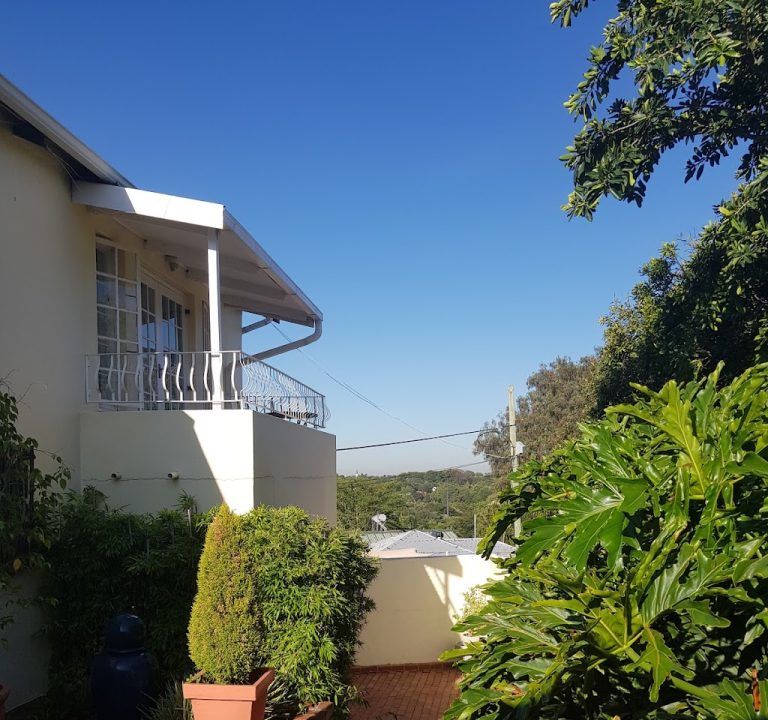
Accommodation in Johannesburg can also vary in character and price. For example, a guest house such as The Light House offers a more intimate stay with a local flavour, typically featuring comfortable rooms and a friendly atmosphere. Such properties can be well placed in residential or mixed‑use neighbourhoods, offering a calmer retreat after busy city days while still providing access to vibrant streets and markets.
Practical tips for a smooth stay:
- Book with flexible cancellation when possible, especially if your plans may shift due to weather or events.
- Check for clear directions on arrival, gate access, and guidance on street parking or parking facilities.
- Pack a universal adaptor and a compact umbrella— Johannesburg weather can be unpredictable and power outages occasionally affect light levels.
- Respect local customs and opt for guided tours or culturally sensitive experiences to learn more about the city’s diverse communities.
- Allow time in your itinerary for relaxed meals, coffee stops, and wandering markets to soak up the city’s everyday rhythm.
Whether you are visiting for business, culture, or a well‑paced city break, Johannesburg rewards thoughtful planning and a willingness to explore both its modern façades and its storied neighbourhoods. A well‑chosen base will put you within easy reach of museums, galleries, markets, and the city’s evolving culinary scene, helping you craft a stay that feels both energising and authentic.