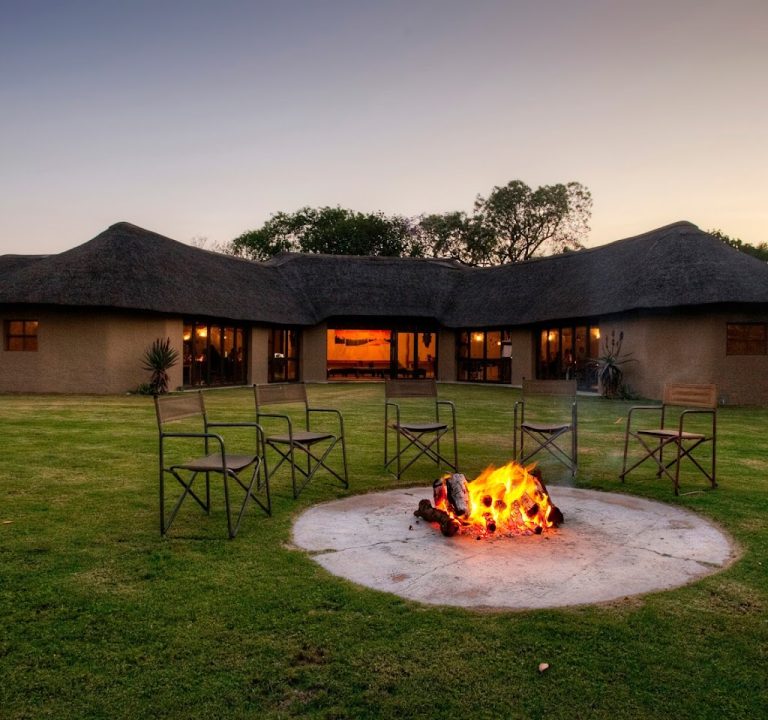
Accommodation and Experiences in Addo, Eastern Cape: Plan Your Stay
Addo in the Eastern Cape is a gateway to some of South Africa’s most iconic wildlife areas, as well as a welcoming base for exploring coastal towns, inland landscapes, and rural communities. When planning a stay, consider the different neighbourhoods and landscapes on offer, from leafy village streets to near-wilderness retreats. Your choice of where to sleep will shape your daily pace, how you access key attractions, and which restaurants and activities you’ll enjoy.
Areas to consider include accommodation just inland from the coast, which often combines easy access to Addo Elephant National Park with a quieter, farm-feel atmosphere. For closer proximity to park gates and wildlife viewpoints, look for stays on routes that connect to major tracks and gate openings. If you prefer a seaside element, a few towns along the coast offer guesthouses and self-catering options within a scenic drive of Addo’s inland reserves. For practical convenience, consider staying near main roads or in towns with reliable shuttle or car hire access, especially if you plan day trips to multiple reserves or coastal reserves.
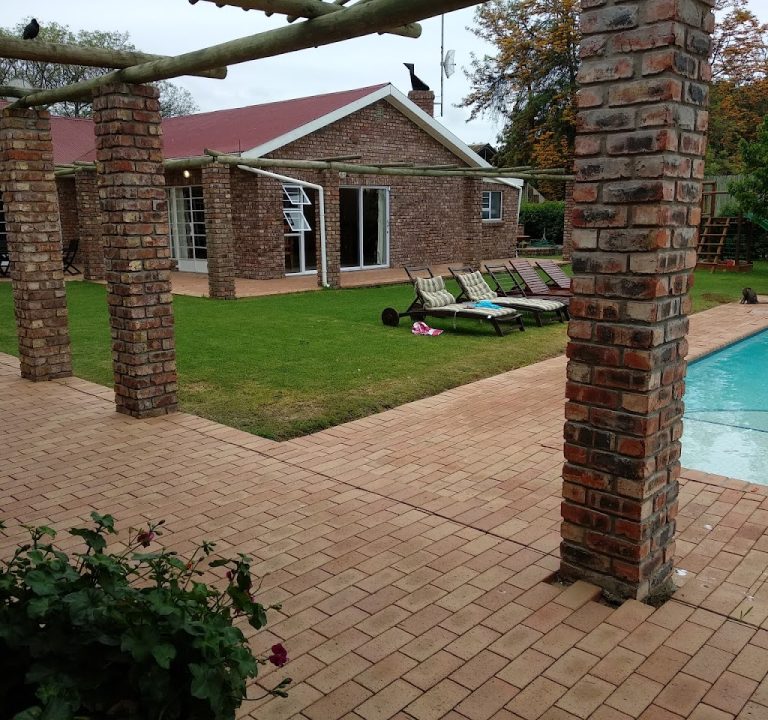
Typical accommodation options in Addo range from B&Bs and guesthouses to self-catering cottages and small lodges. You’ll often encounter properties with outdoor spaces, gardens, and parking; some offer wildlife-friendly meals or kitchen facilities, making it easier to tailor plans around family meals or late arrivals after a day out in nature. It’s common to find options that blend comfort with a sense of place, featuring local materials, rural charm, and views of fields, hills, or distant plains.
When booking, look for a few key features that help you plan a smooth trip. First, confirm gate opening times for Addo Elephant National Park if you intend to drive into the reserve; some properties offer guided game drives or can arrange transport to park gates. Second, check whether your accommodation provides self-catering facilities, a communal dining area, or breakfast options, and how these fit with your planned excursions. Third, verify the size of the property and the suitability for your party, whether you’re travelling solo, as a couple, or with children. Finally, consider accessibility to essential services such as supermarkets, petrol stations, and medical facilities—particularly if you’re staying in more remote rural areas.
- Self-catering facilities and kitchen access
- On-site parking and easy vehicle access
- Proximity to Addo Elephant National Park gates and picnic spots
- Options for guided tours or wildlife safaris
- Quiet, safe neighbourhoods with responsive hosts or managers
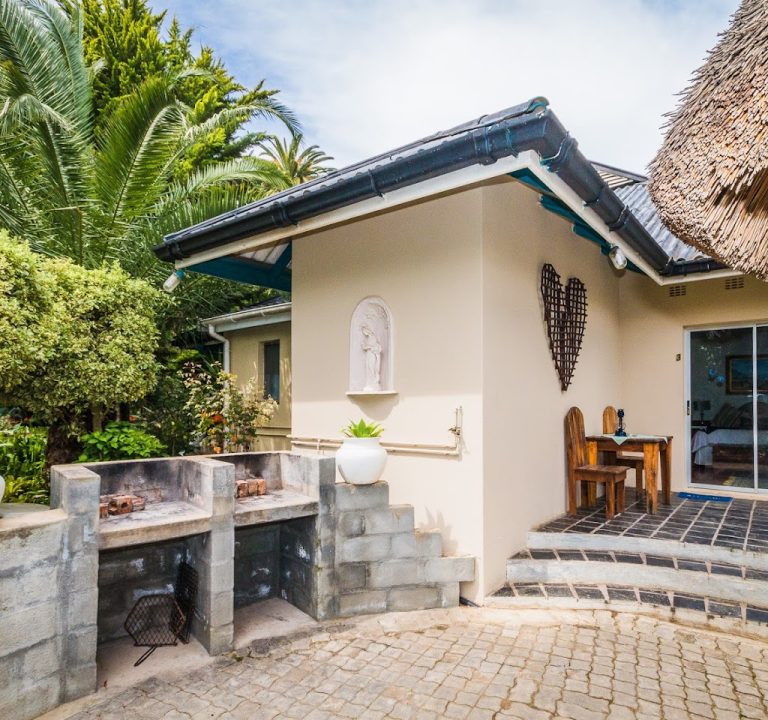
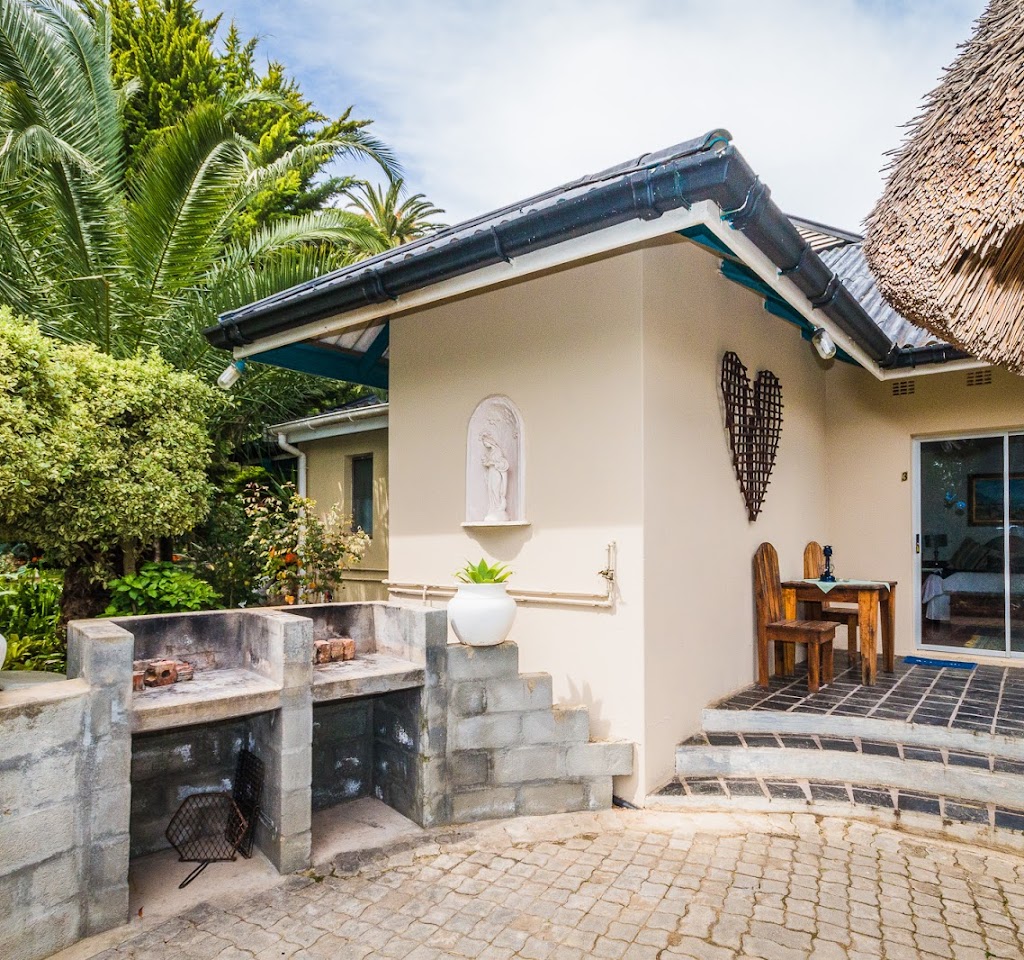
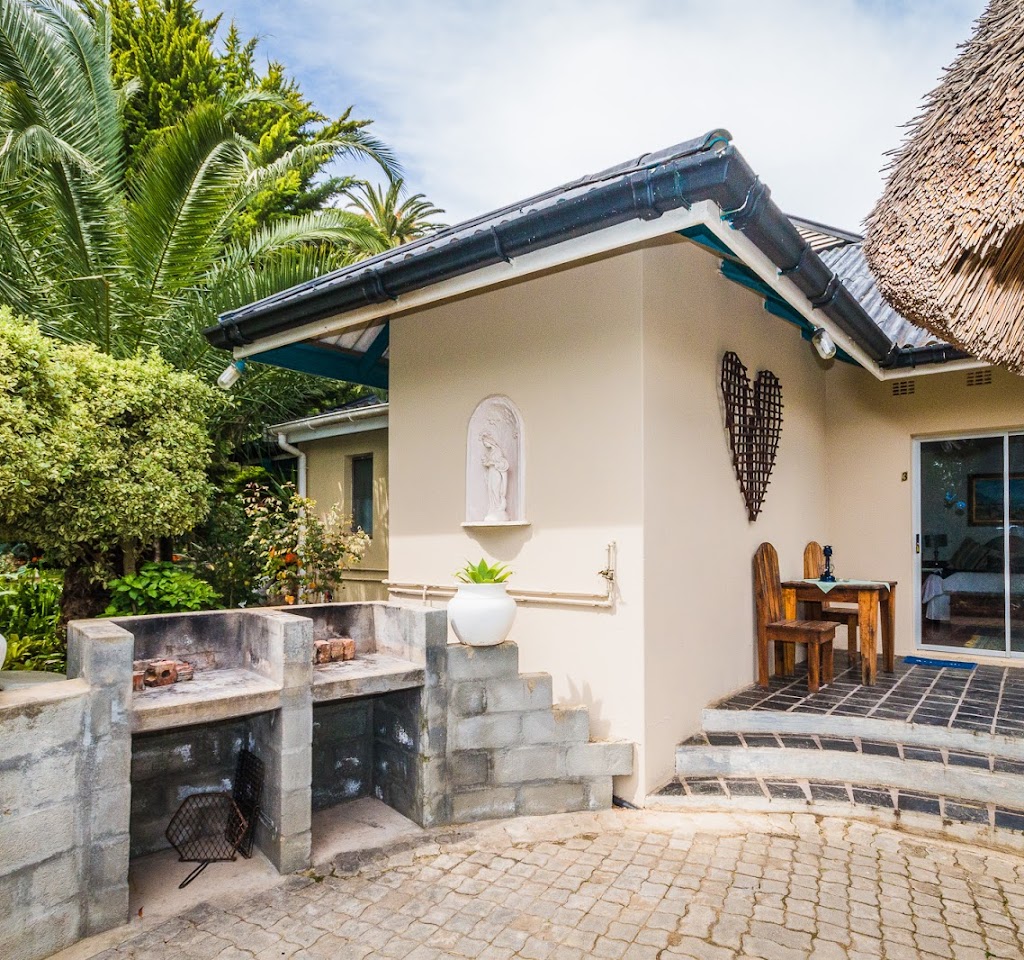
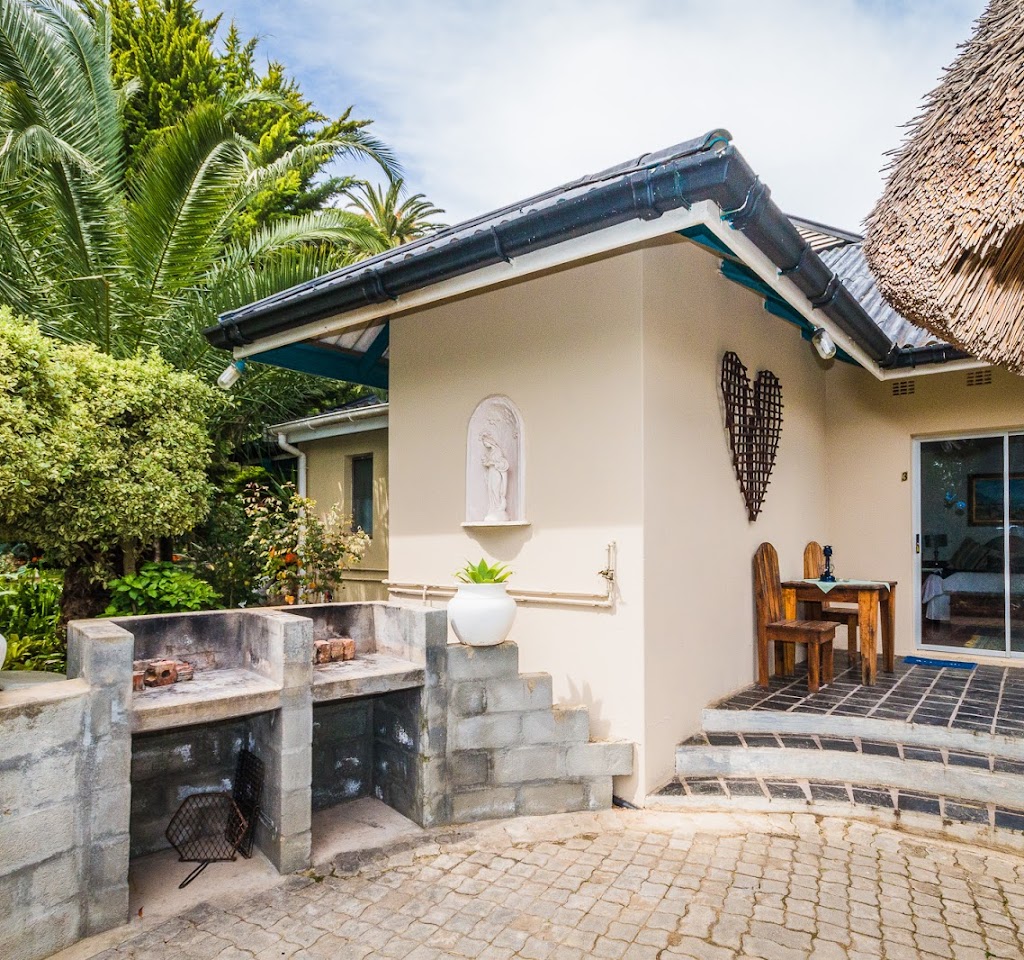
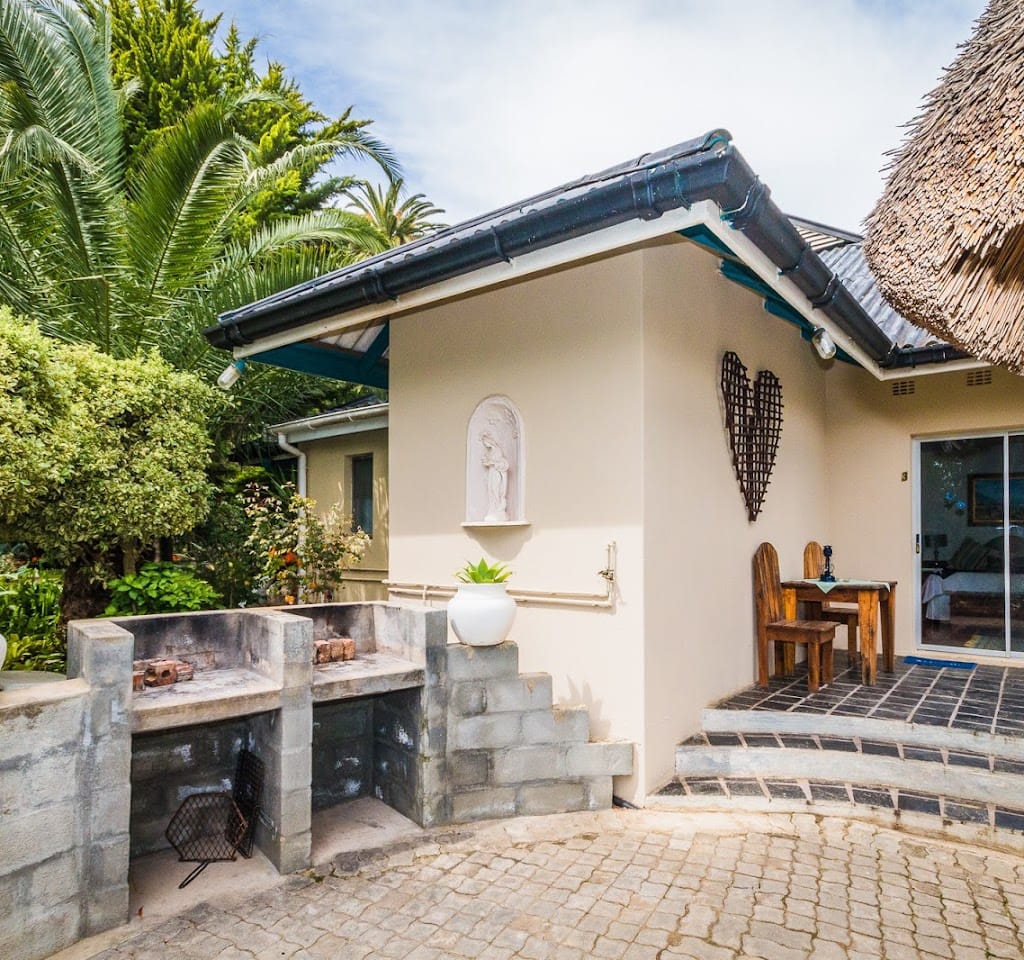
Typical amenities you might encounter include comfortable bedding, en-suite bathrooms, and private verandas or patios. Many properties offer Wi‑Fi in communal areas or rooms, and some provide enhanced features such as on-site braai (BBQ) facilities, outdoor seating, and gardens where you can enjoy the evening air after a day spent outdoors. If you are visiting with children, look for family-friendly spaces, child-safe grounds, and flexible meal options. For travellers seeking more independence, self-catering cottages and self-contained suites are common, allowing you to manage your own schedule while still enjoying the region’s hospitality.
Transport in and around Addo often revolves around car travel, as the area is spread out and wildlife reserves have their own rhythms. If you’re hiring a car, ensure your lodging has secure parking and straightforward access to main routes. For those who prefer not to drive long distances, some accommodation providers can arrange transfers or guided excursions; confirm availability and cost in advance. When planning your day, factor in the time required to reach the park gates, enjoy wildlife viewing, and factor in rest breaks and mealtimes. A compact, comfortable vehicle is typically well suited for bumpy rural roads and longer drives between reserves.
The best time to visit Addo largely depends on your wildlife goals and weather preferences. The summer season brings warmth and occasional afternoon showers, while the winter months tend to be cooler and drier, which can improve wildlife visibility. Spring and autumn offer mild temperatures and quieter periods in some areas. If you’re interested in birdwatching or wide-open landscapes, consider the shoulder seasons when attractions are less crowded and nature blooms in different colours. Regardless of when you go, mornings and late afternoons are often peak wildlife viewing times, so plan your days accordingly.
Practical tips for a smooth stay in Addo include booking ahead during peak periods, especially if you’re aiming for a specific property or a particular stretch of park access. Pack layers for variable weather, comfortable walking shoes, a hat and sunscreen for sunny days, and a reusable water bottle for long outdoor days. When dining out, you’ll find a mix of casual eateries and more formal dining options near the towns that service visitors; many places emphasise seasonal, locally sourced ingredients and friendly, relaxed atmospheres. Always respect wildlife and park guidelines, keep to designated paths, and dispose of rubbish thoughtfully to help preserve the area’s natural beauty for future visitors.
Accommodation such as The Homestead B&B, Self Catering & campsite offers a convenient example of the region’s hospitality. With options ranging from bed-and-breakfast comfort to self-catering facilities, it presents an adaptable base for visitors seeking flexible itineraries. For more information and to explore other options, you can visit the property’s website at Homestead B&B, Self Catering & campsite.