Stellenbosch: accommodation, attractions and planning your stay
Stellenbosch, a historic town framed by the Simonsberg mountains in the Western Cape, offers a calm blend of university energy, cellar door culture and leafy streets lined with Cape Dutch architecture. When planning a visit, travellers typically balance boutique guesthouses, country lodges and well-appointed self‑catering options with easy access to wine estates, university facilities and nature trails. For a stay that feels grounded in the character of the region, consider a guest house or small hotel in central Stellenbosch or in surrounding villages such as Dorp Street, Vlottenburg or near the university precinct. These locations provide convenient walkability, charming courtyards and a sense of neighbourhood. A well-sited accommodation may also offer on-site parking and bicycle storage, which can simplify day trips to nearby wine routes or nature reserves.
Accommodation options range from intimate guest houses to mid‑range boutique hotels and larger country lodges. Typical amenities you might expect include en-suite bathrooms, complimentary Wi‑Fi, secure parking, and options for breakfast either as part of your stay or as a light, self-service arrangement. Some properties offer swimming pools, shaded verandas or gardens, ideal for post‑sunset relaxation after a day of exploration. When booking, look for a host who can share local tips—such as wine routes, farm stalls, and scenic walks—as these personal recommendations often help uncover smaller, lesser‑advertised experiences beyond the main tourist trails.
Getting around Stellenbosch is straightforward, but a little planning goes a long way. The town centre is compact and walkable, with most shops, eateries and galleries within easy reach of many guest houses. If you are staying a little farther out, a car is convenient for vineyard visits and for excursions to nearby towns. Ride‑hailing apps are commonly used, and some accommodations offer shuttle services or partner with trusted local drivers for day trips. If you intend to explore the wine estates, consider booking a dedicated day in which you can travel between estates at a comfortable pace, leaving time for lunches and a relaxed browse of cellar doors or markets.
Best time to visit Stellenbosch varies with the season. Spring (late August to November) and autumn (March to May) bring mild temperatures and quieter crowds, making it a pleasing period for walking, cycling and wine tasting. Summer offers longer daylight hours and vibrant street life, but can be busier and warmer. Winter is cooler and calmer, with cosy dining experiences and lower rates in some accommodations. If you are keen on outdoor activities, plan for mornings or late afternoons to avoid peak heat in mid‑day sun, and always check for seasonal closures at cellar doors or reserves when plotting an itinerary.
When selecting a place to stay, consider these practical points:
- Location relative to your planned activities: central Stellenbosch places you in the heart of dining and culture, while rural surrounds offer vineyard views and a slower pace.
- Transport and access: confirm parking or obtain convenient access to taxis or private drivers for evenings out.
- Facilities that suit your rhythm: if you value self‑catering, ensure there is a well‑equipped kitchenette; if you seek quiet mornings, check room layouts for sound insulation.
- Breakfast and meal options: some properties include breakfast while others provide access to nearby eateries or kitchens with flexible dining timings.
- Cancellation policies and seasonal pricing: book with clear terms in case of changing travel plans, and compare rates across different dates to gauge value.
Beyond the architecture and the vineyards, Stellenbosch culture shines through in its eateries and markets. The town offers a spectrum of dining experiences, from relaxed brasseries to refined, cellar‑door tapas concepts. In general terms, you can expect menus that celebrate fresh, seasonal ingredients, with many venues drawing on South Africa’s robust seafood and meat traditions as well as vegetarian and vegan options. For a balanced evening, pair a wine tasting with a light supper or tasting menu, and reserve a little time to wander a historic street or browse a gallery or bookshop afterwards.
Practical tips to enhance your stay include booking a daytime cellar tour with a reputable operator, leaving space for a stroll along the town’s historic lanes, and incorporating at least one nature‑based activity such as a hike or a riverside walk. Sunsets over the surrounding hills are a feature of many routes, so plan a late afternoon excursion to make the most of golden light. For accommodation with a personal touch, consider properties that highlight warmth, hospitality and local knowledge—they often provide a more immersive stay than a large chain hotel.
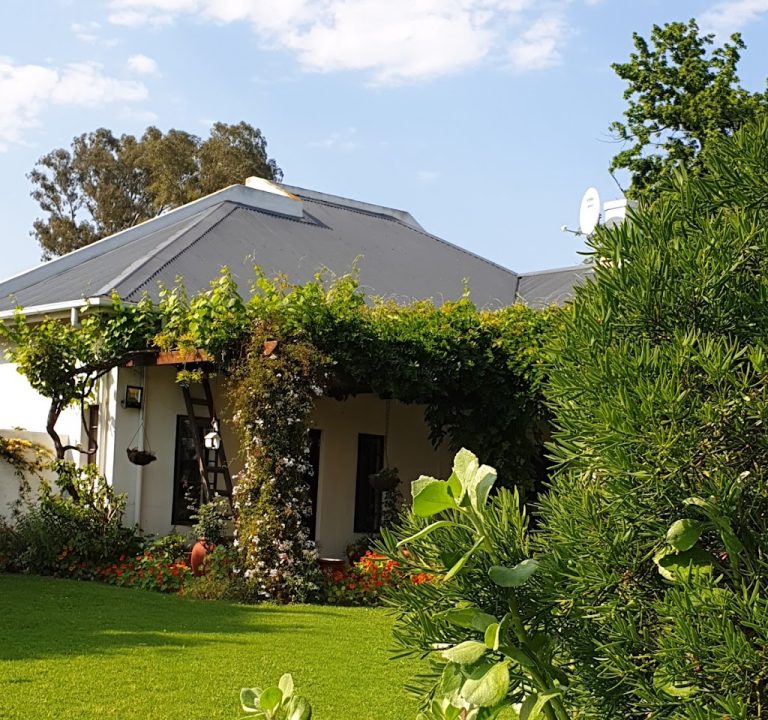
If you would like a homely base with a distinctive character, you might explore options such as a guest house rooted in Cape Dutch charm or a cosy rental that blends historic atmosphere with modern comforts. For example, a guest house with an attentive host and a welcoming garden can serve as a peaceful retreat after busy days of tasting, exploring and dining. To get a flavour of the stay, you can visit the property’s listing online to view photographs, room configurations and guest reviews, and to confirm current amenities and access details. For those curious about stays that offer a sense of place and a personal touch, a well‑positioned guest house can be a very rewarding choice.
Finally, while enjoying Stellenbosch, you may also consider day trips to nearby towns, nature reserves or coastal towns, all within a comfortable driving radius. A well‑planned visit balances time between relaxing on site, discovering the town’s architectural heritage, sampling regional gastronomy, and venturing a little further to witness the Western Cape’s varied landscapes. The Green Pilgrim, a guest house located in this area, offers a personalised stay with the option to explore the surrounding region through its host’s guidance and local recommendations. Further details can be found at the property’s listing: The Green Pilgrim on Airbnb.