Where to Stay and What to Do in De Doorns, Western Cape
De Doorns sits in the heart of the Hex River Valley, surrounded by fruit farms, rugged mountains and sweeping agricultural plains. It makes an excellent base for travellers looking to explore the winelands, reach the scenic mountain passes nearby, and enjoy a slower pace in a rural corner of the Western Cape. When planning a stay, consider options that balance comfort with easy access to the surrounding countryside, local farms and the occasional restaurateur-led dining experience.
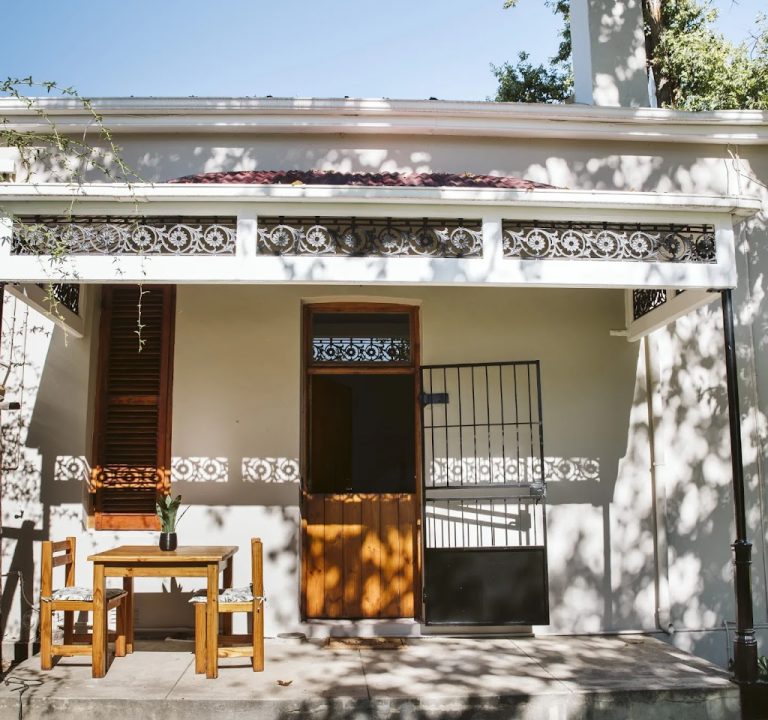
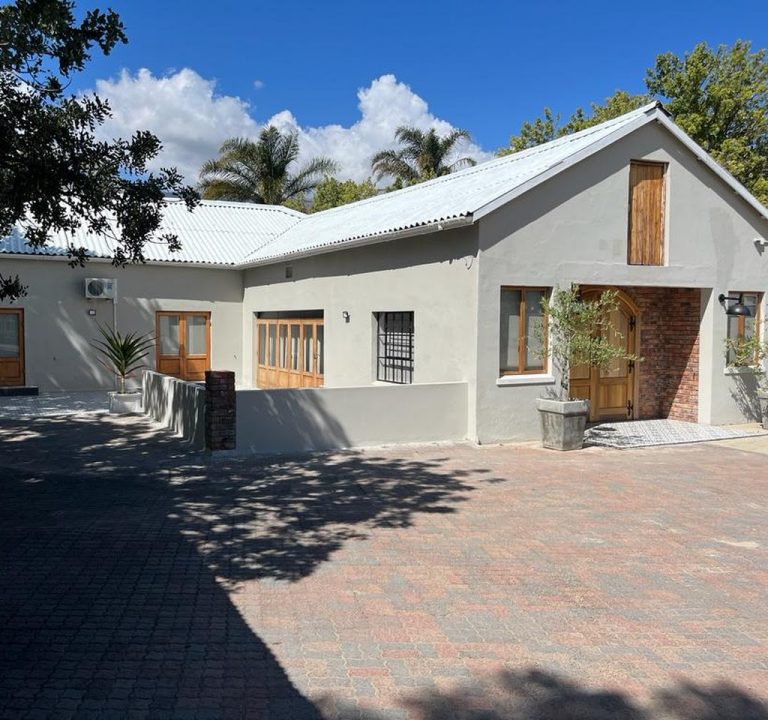
Accommodation in De Doorns ranges from simple guesthouses and farm stays to more boutique lodges and indoor or self-catering retreats. If you are drawn to a farm setting, look for lodges or cottages that offer private entrances, reliable heating or cooling, and space to unwind after a day of driving or walking. For longer stays, self-catering units can be very practical, letting you sample local produce from the farms and markets at your own pace. One example of a rural lodging option in this area is The Grange Farmstay, which illustrates how a country-property stay can combine comfort with rustic charm.
When choosing where to stay, think about which areas best fit your itinerary. De Doorns itself is well placed for day trips to the surrounding wine valleys and fruit-growing farms. If you value quiet evenings and stargazing, aim for farm stays or lodges perched on the grape-growing slopes or near farm outbuildings, where the night skies are typically clear. If you prefer a more central base with quick access to town facilities, a guesthouse in the village can provide a steadier supply of essential services, shops and eateries while still offering a rural ambience.
Typical amenities to look for include dependable heating or air conditioning, clean self-catering facilities if you plan to cook, and secure parking for your vehicle, which is important in countryside settings. Many properties offer complimentary hot drinks, locally sourced breakfast options, or the chance to arrange a farm tour or fruit-picking experience. For longer stays, ensure there are good laundry facilities and reliable Wi‑Fi in common areas or rooms, so you can stay connected or plan day trips with ease.
Transport in and around De Doorns is best planned with a car, as public transport options can be limited in rural Western Cape regions. If you are not driving, check whether your accommodation offers a shuttle service to key farm gates, markets or visitor information points. If you intend to visit multiple farms or attractions, enquire about flexible check-in times and late arrivals, since some rural properties have quiet, personal check-in procedures.
The best time to visit depends on what you want to experience. Spring and autumn bring mild weather suitable for scenic drives through the Hex River Valley and short hikes in the surrounding hills. Summer days can be sunny and warm, ideal for outdoor markets, farm-to-table dining and exploring shaded trails. Winters are cooler and may bring crisp mornings; this is when certain parts of the valley take on a tranquil, misty character. Consider the harvest calendar if you are interested in fruit-picking or vineyard tours, and plan ahead for peak periods when accommodation can book up quickly.
In terms of planning, a practical approach is to build a loose itinerary that includes a couple of farm visits, a short hike or drive to a viewpoint, and a stay meal or two at a countryside restaurant to sample regional produce. Booking in advance during peak harvest times is wise, as rural stays can fill rapidly. It is also worth asking hosts about local walking routes, safe routes for cyclists, and any cultural or agricultural demonstrations that may be on offer during your visit.
Attractions in the area generally reflect the agricultural landscape and the surrounding mountains. Expect opportunities to learn about fruit farming, watch the processing cycles on farms, and enjoy picturesque drives through the Hex River Valley. Landscape viewpoints and easy walking trails let visitors take in the mountain scenery and the band of vineyards that characterise the region. For a broader day out, day trips towards the larger towns or along valley routes can reveal more about the Western Cape’s rural heritage and agricultural diversity.
When it comes to dining, you can expect informal, farm-to-table experiences that celebrate fresh, locally grown ingredients. Many places emphasise relaxed service and hearty portions, with menus that showcase seasonal vegetables, pulses and meat from nearby producers. If you have dietary preferences, communicating this to your host or restaurant in advance helps to ensure a pleasant meal. Local wine selections will often feature varietals suited to the valley’s climate, so a wine-tasting stop can be a gentle extension of a day spent in the countryside.
- Look for accommodation with clear photos, honest listings and responsive hosts.
- Prioritise properties with secure parking and easy access to main roads for day trips.
- Check for heating or cooling, reliable Wi‑Fi, and access to a kitchen or communal kitchen if you plan self-catering.
- Ask about farm experiences, guided walks, and seasonal activities.
- Plan transport in advance; a car remains the most convenient way to explore rural Western Cape.
Useful resources for planning a De Doorns visit include regional tourism guides and official Western Cape information portals, which can offer practical tips on weather, events and routes. For a broader sense of the area, you might explore general pages about the Western Cape’s rural attractions and the Hex River Valley’s agricultural setting. A well-considered stay in De Doorns can provide a restful base from which to discover the surrounding countryside, while supporting sustainable tourism that benefits local farmers and small businesses. For further ideas and sample itineraries, you can visit reputable regional tourism websites and the official travel pages of South Africa.