Plettenberg Bay: where to stay, what to do, and how to plan your visit
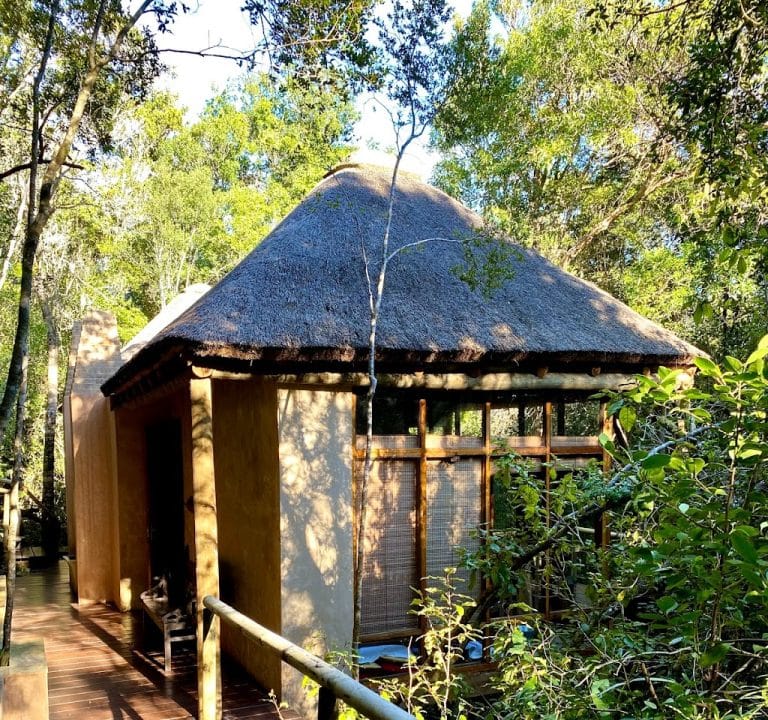
Plettenberg Bay on the Western Cape’s Garden Route offers a relaxed pace, golden beaches, and a backdrop of forested hills. When planning a stay, consider your preferred ambience, access to beaches, and how you plan to explore the surrounding coastline and nature reserves. The town caters to families, couples, and solo travellers alike, with a range of accommodation from private villas and boutique guesthouses to self-catering apartments and eco-lodges. One noteworthy example of a villa-style option is The Good Earth Farm Villas & Wisdom Centre, which reflects the area’s interest in sustainable, spacious stays that blend with the surrounding landscape.
Areas to consider
- Central and Strand Street: convenient for beach access, restaurants, and local shops, with a walkable setup that suits travellers who prioritise convenience and socialising.
- Robberg Peninsula and Beacon Isle: ideal for those who want to be close to wildlife walks, coastal viewpoints, and calmer sea moments, with easy access to nature trails.
- Goose Valley and surrounded coastal suburbs: offer quieter streets, larger private properties, and opportunities for self-contained stays with more seclusion.
- Nature-friendly pockets inland: for guests seeking tranquillity, larger gardens, and quicker access to out-of-town scenic drives and hill paths.
What to look for when booking
- Proximity to beaches vs. privacy: decide whether you want doorstep beach access or a more secluded setting with garden or forest views.
- Outdoor space and amenities: private terraces, BBQ facilities, swimming pools, and secure parking are highly valued by families and groups.
- Light and ventilation: Plettenberg Bay can be breezy; look for good airflow, ceiling fans, or air conditioning for warmer months.
- Kitchen facilities: check whether you want full self-catering capability or just a kitchenette, particularly for longer stays.
- Transport access: if you don’t intend to hire a car, seek options with easy access to local taxis, guided tours, or shuttle services.
- Safety and accessibility: verify that properties have secure entry, clear lighting, and accessible routes if mobility is a consideration.
- Hosts and management: many stays are hosted or managed with local insights into walks, dining, and day trips—reading guest reviews can reveal how responsive hosts are.
Typical amenities and experiences
- Self-catering and full-service options: villas, guesthouses, and boutique hotels commonly offer a range of self-catering setups alongside daily housekeeping or on-site management.
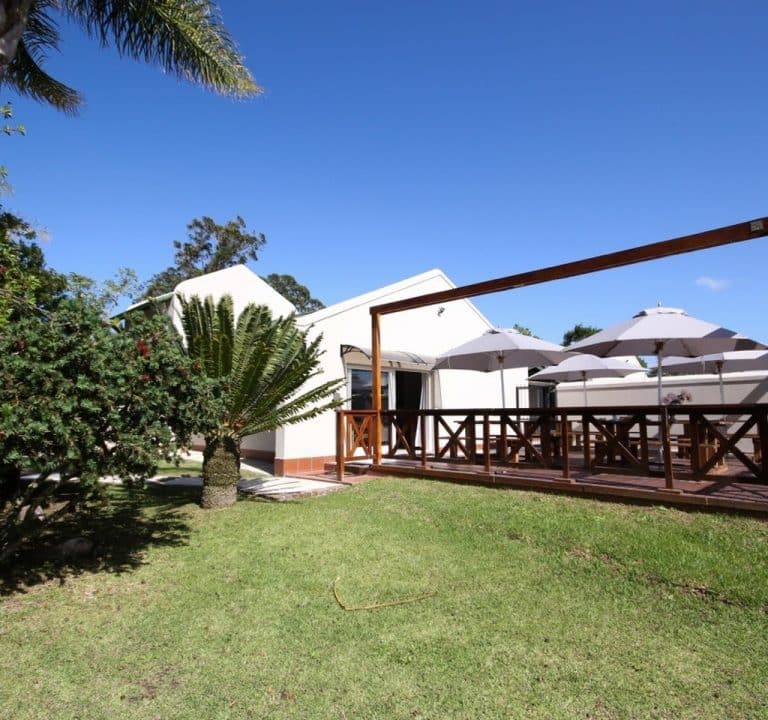
- Outdoor meals and al fresco living: many properties feature verandahs, braai (BBQ) areas, and outdoor dining spaces, which suit evening sunsets over the bay.
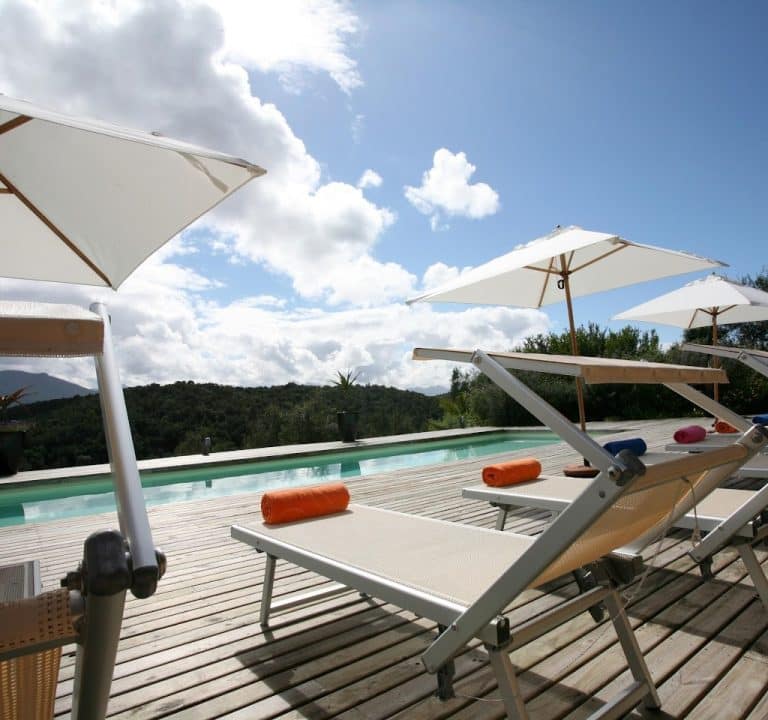
- Pools and sun decks: a common highlight for families and groups, paired with sheltered outdoor seating for all-weather use.
- Quiet zones and nature access: expect private gardens, easy access to walking trails, and nearby viewpoints that look over the ocean or the surrounding fynbos.
- Local knowledge: many hosts can provide guidance on safe swimming beaches, best times for dolphin or whale watching, and suggestions for scenic drives.
Transport and getting around
- Car preferred: Plettenberg Bay is best explored with a car, giving you flexibility to reach beaches, nature reserves, farms, and viewpoints at your own pace.
- Taxis and rideshares: available in town, suitable for evenings out or short hops to nearby restaurants.
- Public transport: limited local services; plan ahead if you rely on buses or third-party tours.
- Parking: most accommodation options offer parking, which is convenient for day trips along the coast and into neighbouring towns.
When to visit
- Peak season (December to February) brings lively beaches and warm sea, but expect higher prices and busier streets.
- Shoulder seasons (March/April and September/October) offer milder weather, fewer crowds, and good value.
- Winter (June to August) can be cooler and mistier; it is often excellent for whale watching along the coast and for quieter trails, with a cosy stay compound.
Activities and attractions (in general terms)
- Beaches and coastal walks: long sandy shores, safe swimming areas, and scenic viewpoints that reward slow, scenic wanderings.
- Robberg Nature Reserve: a favourite backdrop for wildlife watching, cliff walks, and ocean panoramas, with well-marked paths suitable for different fitness levels.
- Wildlife experiences: opportunities to observe birds, seals, and other coastal fauna in nearby reserves or protected shorelines.
- Coastal drives and viewpoints: scenic routes along the bays allow photo stops and picnic spots with ocean backdrops.
- Dining experiences: Plettenberg Bay offers a variety of eateries from casual cafés to more refined restaurants; many focus on local seafood and farm-to-table ingredients, with menus harmonising with the seasonal harvests.
- Local markets and artisan shops: markets and small galleries provide opportunities to purchase crafts and regional products, inviting a relaxed afternoon wander.
Practical tips
- Book ahead in peak season and over holiday periods to secure your preferred area and property type.
- Pack layers: mornings and evenings can be cool, even when days are sunny.
- Bring sun protection and water bottles for days spent exploring beaches and nature trails.
- Check cancellation policies and what is included (linen, towels, cleaning) to avoid last-minute surprises.
- If you plan special activities (guided walks, boat trips, or wildlife experiences), coordinate with your host or accommodation manager for recommendations and partnerships.
For further ideas and planning, you can explore the Plettenberg Bay area’s general tourism pages and local accommodation listings. A stay in this part of the Western Cape combines sea, nature, and a warm community spirit, making it a flexible base for a memorable Garden Route escape.