Accommodating the Amatola Coastal: where to stay, what to plan, and how to make the most of the region
The Amatola Coastal stretch in the Eastern Cape offers a blend of unspoilt beaches, riverine settings, and laid‑back hospitality. Whether you’re seeking a boutique lodge, a cosy B&B, or a self‑catering escape, the coastline provides a range of options that can suit short breaks or longer getaways. Start by orienting your stay around a couple of key hubs, such as the village of Chintsa with its sweeping dunes, or Port Alfred and the nearby rivers, which often act as convenient bases for exploring the wider coastline.
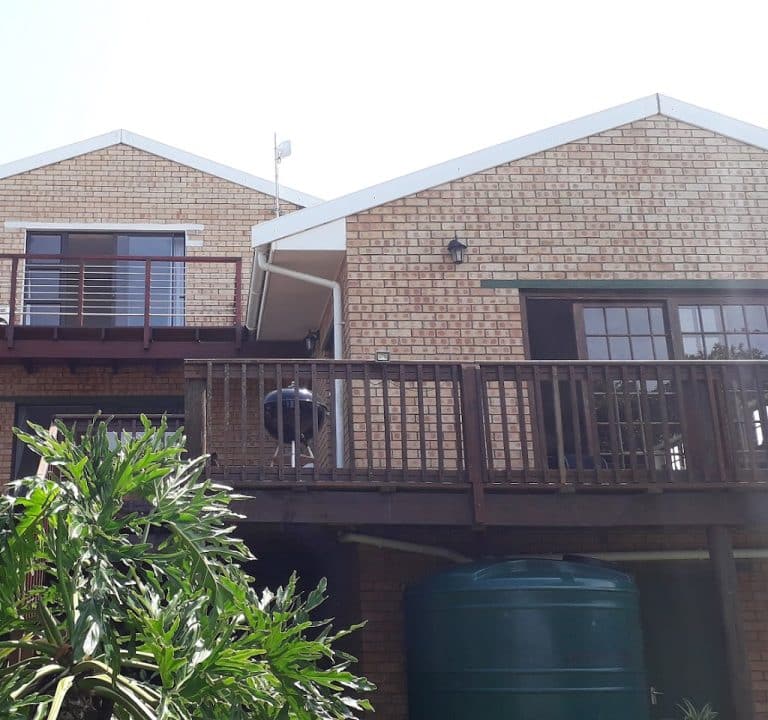
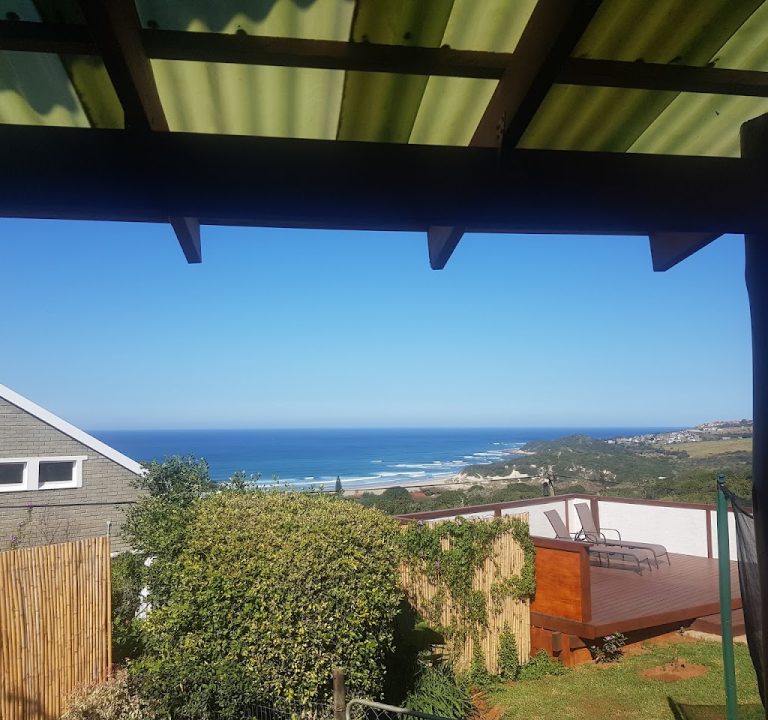
Accommodation styles to consider include traditional country‑house lodges set in landscaped grounds, intimate guesthouses with personalised service, and self‑catering cottages that let you pace your days. Eco‑friendly stays and nature‑forward lodges are also common, tapping into the region’s natural beauty without losing modern comforts. When booking, think about a property’s location relative to the beach, river, or inland tracks, as well as the shade of a garden or a pool for a hot afternoon. Some properties offer verandahs or balconies with sea breezes, while others provide easy access to safe swimming spots or private beaches.
Typical amenities you might encounter include en‑suite bathrooms, easy access to outdoor spaces, well‑equipped kitchens or kitchenettes, and complimentary Wi‑Fi. Many guesthouses and lodges will arrange local activities or provide maps and tips for self‑guided exploration. A few offer family‑friendly layouts, while others specialise in couples’ escapes with quiet corners for reading, birdwatching, or sunset drinks. When you vote with your feet, consider whether you want a quieter, off‑the‑beaten‑path setting or a more lively village base with cafés and basic amenities nearby.
Transport within the Amatola Coastal is largely road‑based. A hire car is often the most practical way to move between towns and to access beaches, viewpoints, and forested trails. If you’re arriving by air, the closest major international gateway is typically a regional city with onward road links to the coast. Check whether your chosen stay offers on‑site parking and if they can arrange easy transfers from the airport or train station. For day trips, plan around traffic patterns and tidal conditions if you intend to visit certain beaches or estuaries at low tide.
The best time to visit depends on what you’re after. The spring and autumn shoulder seasons can offer pleasant temperatures, quieter beaches, and lower rates. Summer between October and March is popular for swimming and long evenings, but it can be busier, and afternoon coastal showers are not uncommon. Winter brings cooler mornings and the potential for dramatic skies, which can be ideal for walkers and photography, though some coastal facilities may have reduced hours. Always check local weather forecasts and plan for strong sun, wind, or occasional rain, even in the peak season.
Practical planning tips to help you secure the right stay and make the most of your time:
- Define what “near” means for you: beach access, village amenities, or quiet countryside. Proximity to rivers or estuaries can offer different activities like kayaking or birdwatching.
- Read cancellation policies carefully, especially for smaller lodges and B&Bs which may have more stringent terms.
- Consider self‑catering or semi‑self‑catering options if you want flexibility for early starts or late dinners after a day exploring the coast.
- Look for lodgings with practical rack rates for peak periods and check whether amenities such as laundry facilities or private parking are included.
- Ask hosts or managers about the best local routes for sunrise walks, safe swimming beaches, and family‑friendly trails suitable for children or elderly travellers.
- Plan for day trips that blend nature, cuisine, and scenery—perhaps a coastal drive with a couple of short walks and a relaxed meal along the way.
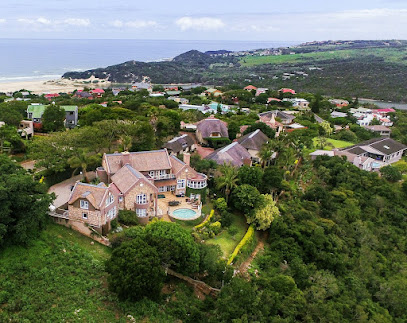
For visitors keen on a single, characterful base, consider staying in a property that offers a sense of place—a guesthouse with warm hospitality, or a lodge that blends into the landscape while providing thoughtful touches. An example of the type of lodging you might encounter in the area is a country house that combines comfortable rooms with easy access to outdoor space and local attractions. While a stay can be tailored to your preferences, always verify what is included (parking, meals, or guided activities) and whether the property can assist with arranging local experiences.
Exploring the region’s attractions and dining opportunities in general terms can help you plan without committing to specific venues in advance. Coastal walks along sandy shores, gentle estuary cruises, and nature reserves are common themes in this part of the Eastern Cape. After a day outside, a relaxed meal at a nearby restaurant or café can be a highlight, with menus often featuring seafood, fresh produce, and seasonal flavours. When browsing options online, you’ll typically find property pages that mention on‑site dining or recommendations for local eateries, without claiming particular awards or prices.
For a representative stay, you may wish to view a lodging’s dedicated site for details on capacity, room types, and booking policies. A well‑located option might provide a direct link to more information and the ability to check availability for your dates: https://www.gableschintsa.co.za/. This can help you compare a traditional country‑house experience with other coastal stays and choose a base that suits your pace, budget, and style of travel.
In short, the Amatola Coastal offers a spectrum of accommodation and activities that suit both the curious traveller and the connoisseur of coastal living. With thoughtful planning, flexible staying options, and a sense of anticipation for the region’s beaches, rivers, and trails, a visit can be both restorative and memorable.