Accommodation and Experiences on the Dolphin Coast, KwaZulu-Natal
The Dolphin Coast of KwaZulu-Natal offers a relaxed blend of golden beaches, subtropical scenery and friendly South African hospitality. Visitors frequently blend beach days with exploration of seaside towns, nature reserves and convenient dining options, making it an attractive region for both short getaways and longer stays. When planning a stay, consider the variety of neighbourhoods, the pace you prefer, and how you will move around to make the most of what the coast has to offer.
Accommodation here ranges from intimate guest houses and boutique lodges to self‑catering coastal flats and larger family-friendly resorts. In small villages along the coast, you’ll find characterful guesthouses with easy beach access, sometimes run by hosts who can offer local tips on seasonal activities. In larger towns and resorts, you can expect higher-end lodges and self-contained apartments with a focus on value for families and groups. For a distinctive stay, you may come across properties that blend modern comforts with a distinctly Zululand vibe, reflecting the area’s maritime and rural heritage.
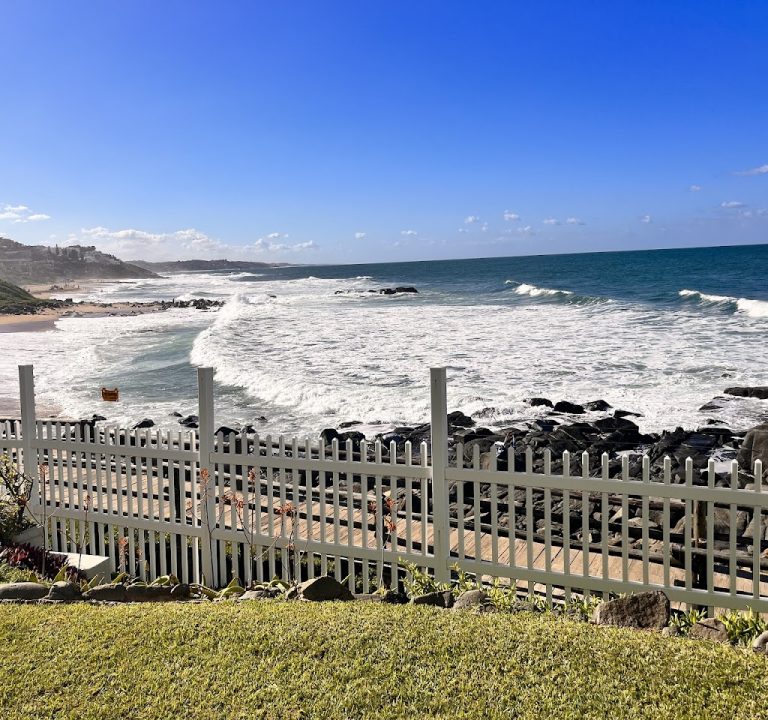
When choosing where to stay, think about areas that align with your priorities. Proximity to the beach is a common consideration, with many properties offering direct sea views or short strolls to the shore. If wildlife or nature experiences are on your list, look for locations near nature reserves, coastal trails, or access to boat trips. For quieter evenings and dining, village centres and coastal towns with a selection of eateries can be ideal, while more coastal resort precincts may offer additional amenities such as pools, spa facilities, and organised activities.
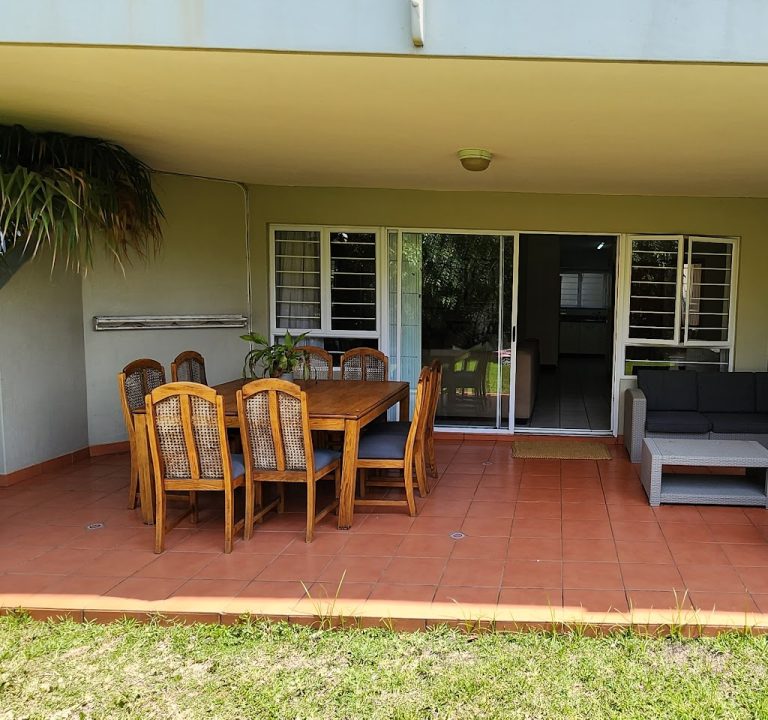
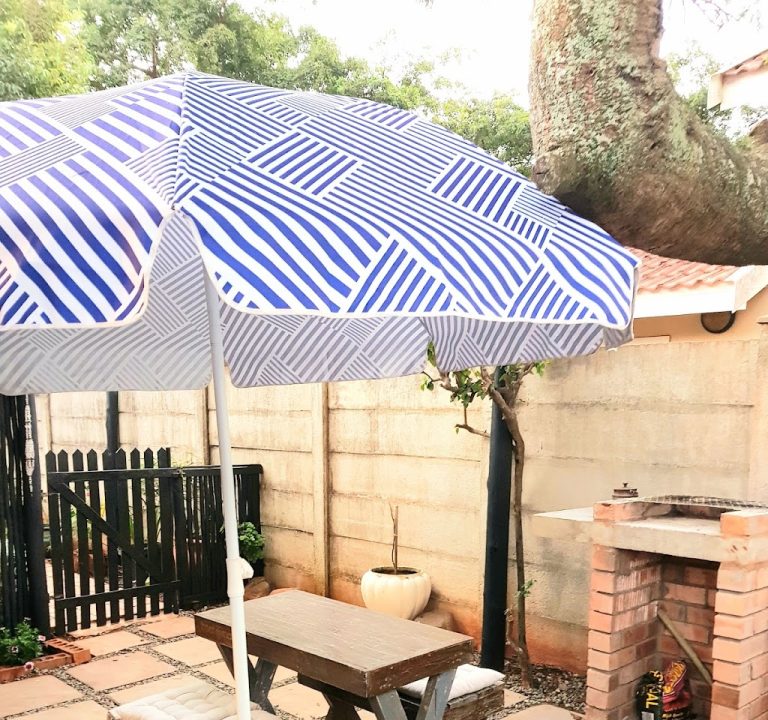
Typical on-site amenities you may encounter include free or undercover parking, air‑conditioning or fans for warmer months, reliable Wi‑Fi, well-equipped kitchens or kitchenettes, and outdoor spaces for al fresco dining. Many guest houses on the Dolphin Coast pride themselves on breakfast options, with some offering additional meals or light snacks. Room configurations often range from cosy doubles to family suites, making it easier to balance privacy with shared spaces when travelling with children or friends.
Transport planning is important. The region is road‑based, so a car provides the greatest flexibility for exploring beaches, coastal towns, and inland attractions at your own pace. If you prefer not to drive, some properties can arrange transfers or suggest trusted local shuttle services. For day trips, consider planned routes that maximise coastal scenery—think open sea views, tidal pools, and shoreline walks—paired with a relaxed meal at a harbour‑side café or bistro. If you’re staying closer to towns, pedestrian‑friendly routes and short taxi hops can cover most needs, especially for evenings out.
The best time to visit the Dolphin Coast varies with priorities. The summer months bring long beach days, warmer seas for swimming and a lively atmosphere, but they can also be busier. Winter offers cooler coastal breezes and quieter surroundings, with the opportunity for wildlife watching and hiking in milder temperatures. The shoulder seasons—spring and autumn—often present a balanced mix of pleasant weather and fewer crowds. Pack for both sun protection and cooler evenings, and check local weather patterns ahead of your trip to tailor your packing list.
Practical considerations help ensure a smooth stay. It’s wise to confirm check‑in arrangements and whether the property offers self‑check‑in or reception hours. Ask about housekeeping frequency, whether towels and beach gear are provided, and what kitchen facilities you’ll have access to. If you’re travelling with children, check for child‑friendly spaces, safety features, and nearby beaches with safe swimming conditions. Accessibility features may be important for some guests, so review floor plans and entry options if required.
When exploring attractions and experiences, the Dolphin Coast offers a gentle blend of natural beauty and cultural appeal. You can expect scenic coastal walks, beachside picnic spots, and opportunities to observe marine life from vantage points along the shore. Nearby nature reserves and marine conservation areas provide pathways for easy, family‑oriented hikes and birdwatching. For dining, the area is known for a range of eateries that celebrate seafood and coastal produce, from casual cafés overlooking the water to more polished restaurants offering regional flavours. In terms of activities, you might find guided nature walks, snorkelling or boat excursions, and cultural experiences that showcase KwaZulu‑Natal’s rich heritage. It’s wise to leave some flexibility in your itinerary to account for weather and seasonal offerings.
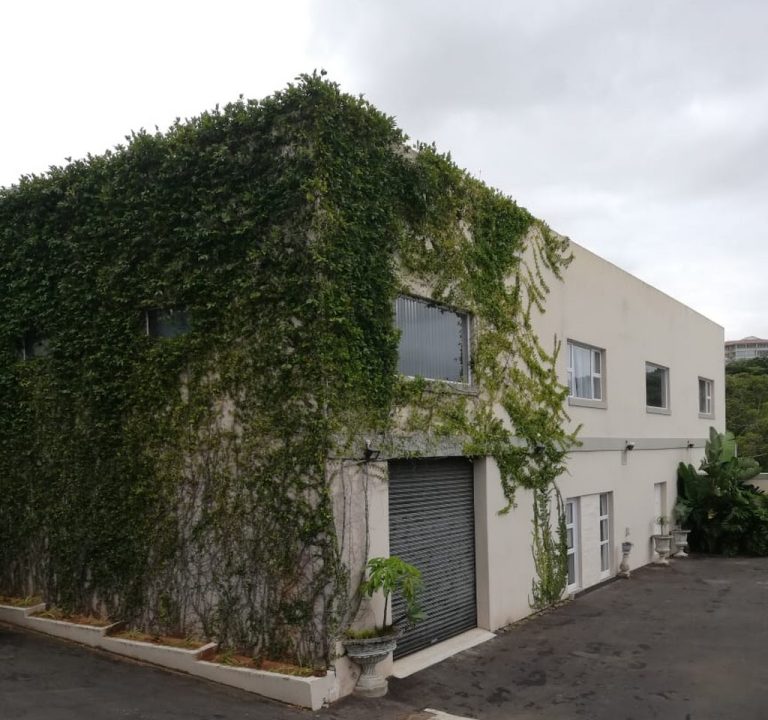
Iconic places to consider staying or visiting include intimate boutique guest houses with personalised service, and lodges that blend with the coastline without sacrificing comfort. One example is The Floridian Guesthouse, a guest house option within the region that can offer a comfortable base from which to explore the coast. While specific details and services are subject to change, such properties commonly provide approachable hosts, well‑appointed rooms, and proximity to beaches or village centres. For planning purposes, consult the property’s website or trusted local guides to understand what is included in your stay and what experiences can be arranged locally.
To make the most of your Dolphin Coast visit, build a flexible plan that balances rest with exploration. Reserve accommodation in a location that suits your activity preferences, confirm what is included in your booking, and identify nearby eateries and day‑trip options ahead of time. By prioritising comfort, access to the beach, and proximity to nature and dining, you can enjoy a light, relaxed itinerary that captures the spirit of KwaZulu‑Natal’s Dolphin Coast: sun, sea, and subtropical scenery paired with warm hospitality and accessible adventures.