Accommodation and Experiences in Kingsburgh, KwaZulu-Natal
Kingsburgh sits along the KwaZulu-Natal coast, offering a relaxed coastal stay with easy access to sun, sea and outdoor adventures. When planning a visit, consider staying in a base that puts you within reach of the long sandy beaches, gentle estuary habitats and the hinterland’s green ridges. The area is well suited to families, small groups and travellers seeking a quieter alternative to busier coastal towns, with a range of accommodation types from B&Bs and guesthouses to self‑catering units and group facilities.
Where to stay depends on what you want from your trip. For beach days, look for properties within a short stroll or cycle from the shoreline, where surf, walking paths and casual beachside eateries are convenient. If a more secluded atmosphere appeals, seek out lodges or retreats perched on higher ground or set back from the main drag, which can offer scenic views and a sense of privacy while still being reachable by road.
Typical amenities to expect include private or en-suite bathrooms, reliable air conditioning or fans for warmer months, and access to outdoor spaces such as verandas, courtyards or garden areas where guests can relax after a day’s exploring. Many properties provide free parking, good security, and simple kitchen facilities or breakfast options. For groups and longer stays, a larger self-catering unit or a dedicated communal space can be especially convenient, and some group accommodation listings highlight multi-bedroom configurations, flexible layouts and separate living areas.
When planning transport, the best approach is to check access by car, as public transport options in coastal KwaZulu-Natal can be limited and schedules may be sparse. A car offers the most flexibility for day trips to nearby beaches, nature reserves, and coastal villages. If you prefer not to drive, look for accommodation that can arrange reliable transfers or recommend reputable local taxi services. For those who enjoy the outdoors, bring practical footwear for light hiking or coastal paths, and pack sun protection, a hat and a water bottle for longer excursions.
Best time to visit Kingsburgh is guided by your preferred climate. Summers (roughly November to February) are warm and humid, with the possibility of afternoon showers; this is ideal for beach days and swimming, but plan for occasional rain breaks. Autumn and spring offer milder temperatures and less humidity, which can be pleasant for day trips and long walks. Winter (June to August) is cooler and drier, suitable for scenic drives and outdoor exploration, though swimming may be limited. If you’re chasing quieter beaches and more affordable rates, shoulder seasons can be a good compromise, with comfortable weather and less crowded spots.
Practical tips for a smooth stay:
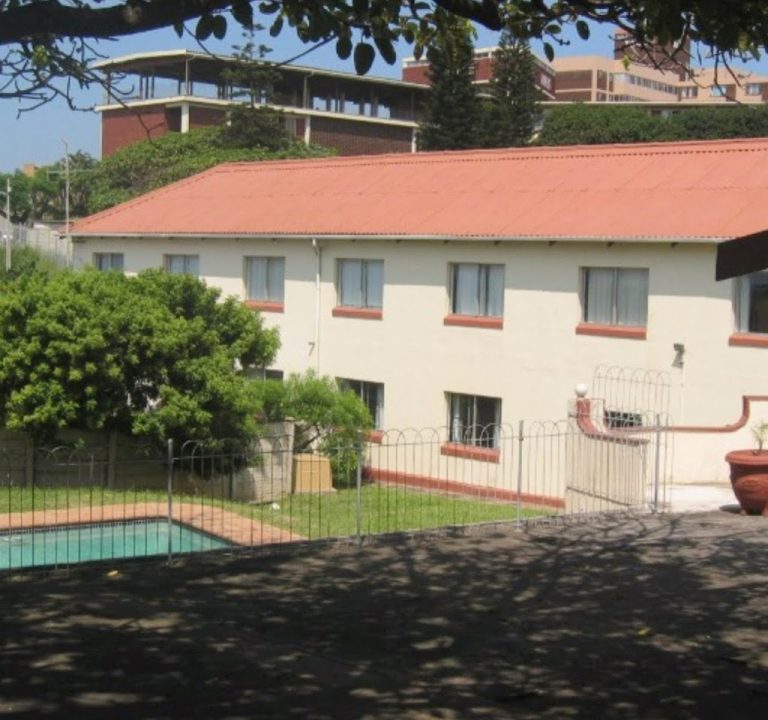
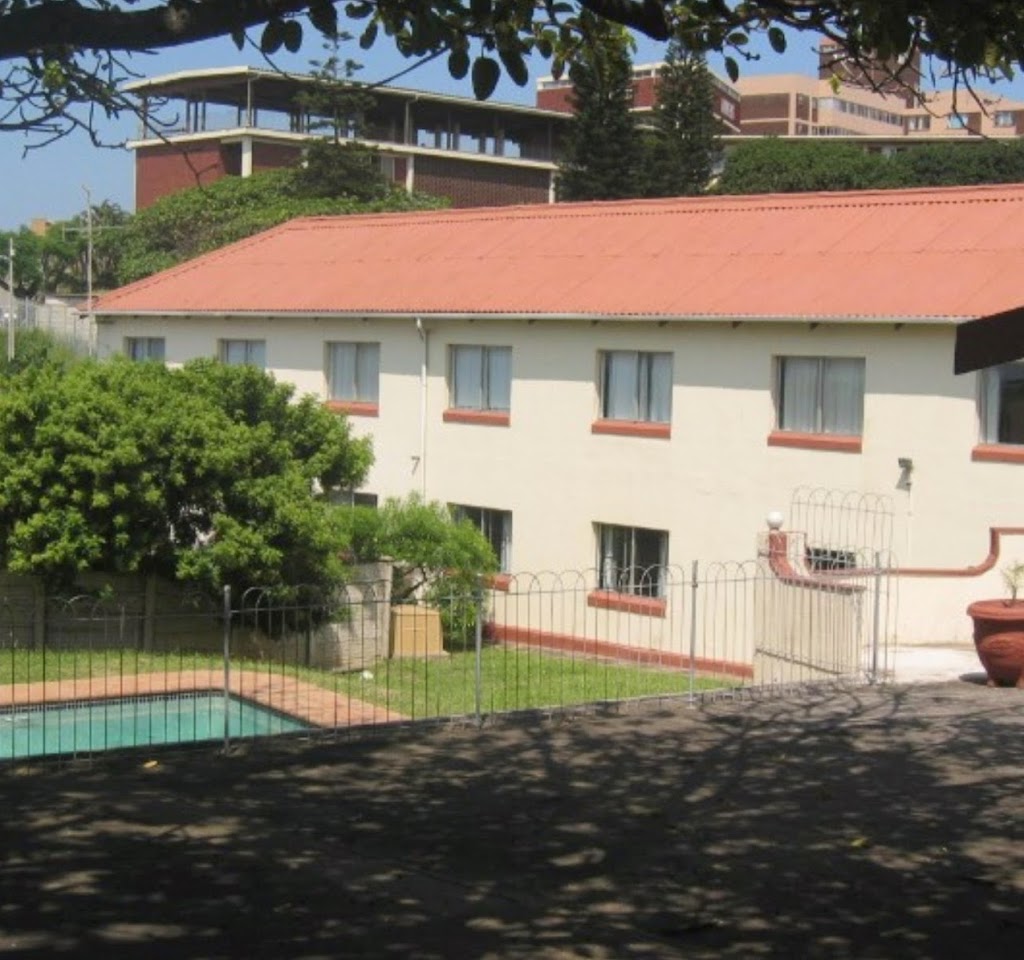
- Book in advance for peak periods and school holidays, especially for larger group accommodations such as the type referenced by The Fig Tree, to secure preferred dates and spaces.
- Check the layout of a property if you are travelling with children or a large group—some units offer separate living areas or multi‑bedroom configurations for better comfort and privacy.
- Confirm access to essentials such as kitchen facilities, laundry options, and reliable Wi‑Fi if you need to stay connected during your trip.
- Ask about security features, on-site parking, and proximity to beaches and shops to minimise daily planning.
- Request guidance from your host on nearby dining options and safe, scenic routes for walks or short drives.
Attractions and experiences in and around Kingsburgh are typically low-key and nature‑oriented. Expect coastal walks along sandy shores, strolls through suitable coastal reserves, and opportunities to observe local birds and marine life in season. For a broader day out, a short drive can take you to neighbouring towns with additional beaches, markets and dining options. The area also serves as a practical base for exploring the broader KwaZulu-Natal coast, including protected natural spaces, viewpoints overlooking the sea, and community eateries that showcase regional flavours without being overly restaurant‑driven or touristy.
Dining is generally relaxed and informal, with a focus on fresh seafood, grills and hearty South African fare. Casual cafés and family‑friendly eateries are common, offering light bites, breakfasts and traditional meals. If you’re seeking a more refined experience, consider planning a visit to nearby towns with a wider selection of dining options and seasonal menus, then return to Kingsburgh for a peaceful night by the coast. Many hosts can point you towards reliable, well‑reviewed places to eat that suit a range of budgets.
For group travellers, Kingsburgh can function as a practical hub thanks to a range of larger accommodation options. If your group is planning a multi‑night stay for activities such as coastal walks, family gatherings or nature excursions, factor in shared spaces, kitchen facilities and the potential for arranging informal guided experiences or local tips through your hosts. A well‑chosen base can make day trips effortless and create a comfortable home away from home after busy days exploring the region.
In summary, a stay in Kingsburgh rewards visitors with a relaxed coastal ambience, approachable beaches and easy access to natural spots, with flexible accommodation to suit couples, families and groups alike. By considering proximity to the shore, amenities, transport options and the pace of your itinerary, you can plan a stay that balances restful downtime with memorable outdoor experiences. For group occasions or specific needs, look for properties that clearly describe layout, communal spaces and accessibility to ensure everyone enjoys the stay as much as the surroundings.