Staying and Exploring Franschhoek: Accommodation, Attractions and Practical Planning
Franschhoek, nestled in the Western Cape’s winelands, offers a graceful blend of French-inspired charm and South African hospitality. A stay here is as much about the scenic valleys and vineyard vistas as it is about intimate lodging, excellent dining, and easy access to nature and culture. Whether you wish to linger in a boutique inn, a country lodge, or a luxurious estate guesthouse, the village exudes a relaxed vibe that suits romantic breaks, family getaways, and food-and-wine pilgrimages alike.
When planning where to stay, think about your preferred atmosphere and proximity to activities. The village core is walkable and yearns to be explored on foot, with shops, cafe terraces, and wine-tasting rooms dotting the streets. If you want a broader sense of the countryside, consider accommodation on the valley’s slopes or in farm-style estates a short drive from Franschhoek centre. Transport options range from hire cars to organised tours; many guests use a combination of self-drive for flexibility and curated experiences for ease.
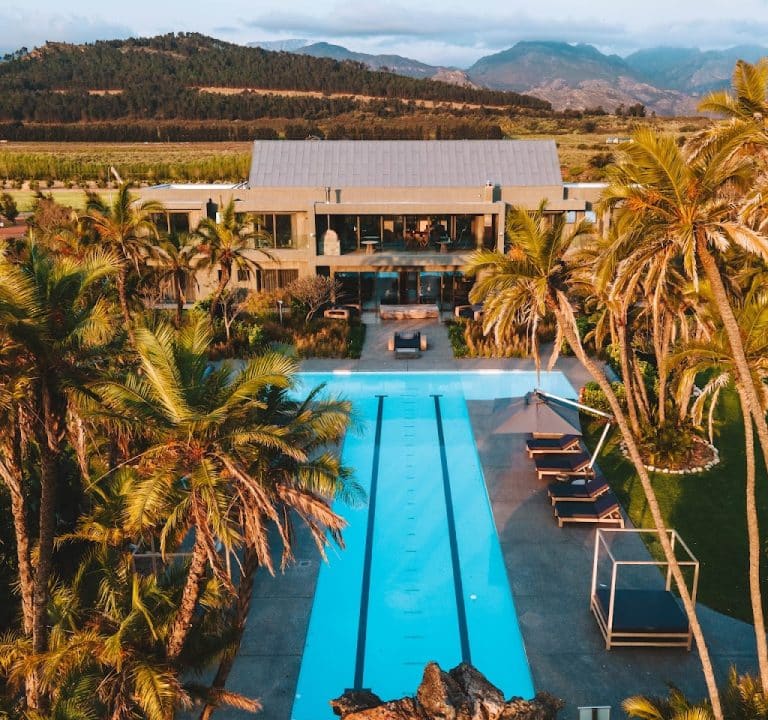
Accommodation in Franschhoek runs from historic inns and country houses to contemporary hotels and B&Bs. Expect well-appointed rooms with assured comfort, sometimes featuring fireplaces, balconies with vineyard views, or private courtyards. Typical amenities include free Wi‑Fi, on-site dining or room service, secure parking, and often access to seasonal pools or outdoor spaces. Some properties offer wine-tasting experiences, culinary classes, or guided garden walks, which can enrich a stay without leaving the village.
One particularly notable element of planning is exercising discretion about location relative to dining and activities. Staying near the heart of Franschhoek village provides effortless walking access to many eateries and galleries, while a quiet stay on the surrounding wine farms can deliver a tranquil countryside ambience and sweeping views. When selecting dates, consider seasonal harvests, weather patterns, and public events. The Western Cape has a Mediterranean climate, with warm summers and cooler, wetter winters; shoulder seasons often offer lighter crowds and pleasant temperatures for exploring vineyards and trails.
For food lovers, Franschhoek’s dining scene is characterised by a strong emphasis on seasonal ingredients, classic techniques, and a sense of place. While exact menus evolve, guests can expect refined yet approachable dining experiences, with wine pairing as a common feature. If you enjoy a dedicated wine-route day, many estates arrange tastings and cellar tours alongside cellar-to-table pairings or chef-led experiences. It is wise to book popular restaurants in advance, particularly during peak holiday periods, and to allow time for a relaxed dinner format that suits the village pace.
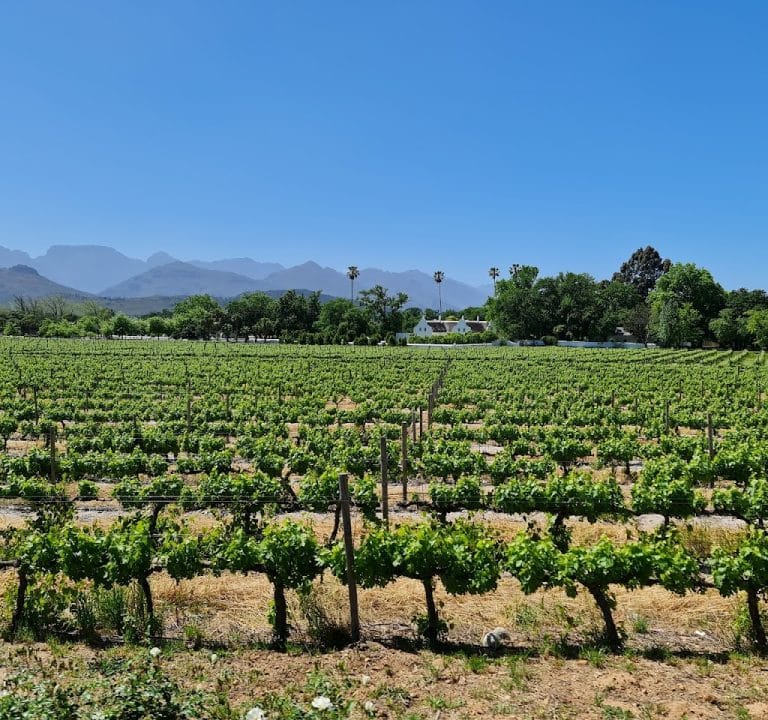
Attractions in and around Franschhoek span landscapes, art, and culture. The surrounding countryside invites scenic drives, gentle hikes, and photography along vineyard borders and mountain slopes. Within the village, heritage houses, art studios, and gardens showcase a flavour of Franschhoek’s history and creative energy. For those seeking deeper knowledge of wine, many estates offer guided tours that cover viticulture, terroir, and winemaking processes, often with a tasting included. Activities beyond wine, such as hot-air ballooning, mountain biking, or river walks, can be arranged through accommodation providers or local tour operators.
Transportation practicalities help shape how you structure your stay. Renting a car offers the greatest freedom to explore the region at your own pace, including day trips to nearby towns or to activities on the outskirts of the Franschhoek valley. If you prefer not to drive, many guesthouses and hotels coordinate transfers or guided day trips, and some properties are within easy reach of the central streets on foot. Consider a plan that balances morning vineyard visits with afternoons in the village, followed by a sunset drink and a leisurely dinner.
Best time to visit Franschhoek is influenced by both climate and harvest cycles. Late summer to early autumn (roughly February to April) combines pleasant weather with the harvest atmosphere. Spring offers fresh greenery and blossoming gardens, while winter brings cooler days more suitable for cosy fireside dinners and exploring indoor attractions. The village can be busy during holiday periods and by time-limited wine auctions or harvest festivals, so booking ahead is prudent if you’re visiting during those times.
Practical tips to streamline your stay:
- Book accommodation with flexible cancellation policies where possible, and confirm included amenities such as breakfast, parking, or access to spa facilities.
- Check whether your chosen property offers vineyard walks, kitchen demonstrations or wine-pairing sessions, and whether these require advance reservations.
- Plan dining ahead, especially for evenings in popular restaurants; consider a mix of tasting menus and seasonal regional dishes for variety.
- Pack layers for variable temperatures, particularly if you are visiting in spring or autumn when mornings and evenings can be cooler.
- Budget extra time for travel between estates if you intend to explore multiple vineyards in a day; some routes are best enjoyed with a relaxed schedule.
One example of Franschhoek hospitality is The Farmstead Franschhoek, a property that embraces the region’s character with its own distinctive style and service. For more information on this or other stays, you can visit the official website at thefarmstead.co.za.
In summary, Franschhoek rewards those who take a thoughtful approach to accommodation and planning. Choose a base that fits your pace—whether a village-centred inn for easy strolls or a vineyard-side retreat for a quiet escape—and pair it with a mix of wine country experiences, culinary discoveries, and relaxed exploration of the surrounding scenery. With its timeless appeal and welcoming hospitality, Franschhoek makes for a memorable segment of any South African itinerary.