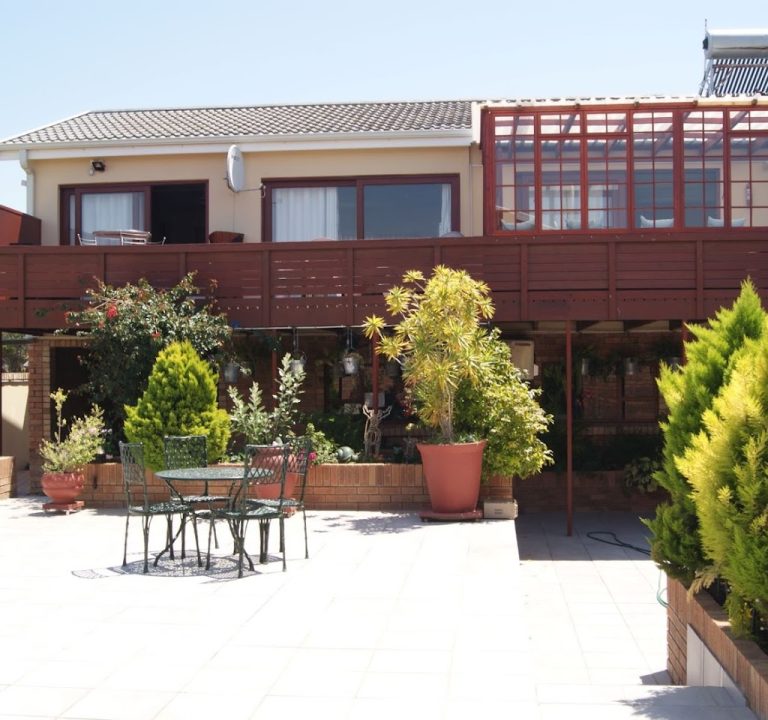
Gqeberha: accommodation planning, sights, and local dining in the Eastern Cape
Gqeberha, known for its sweeping coastline and friendly South African hospitality, offers a range of stays from stylish city hotels to comfortable guesthouses and family-friendly lodges. Whether you are here for a city break, a beach holiday, or a base for exploring the Eastern Cape, the city’s neighbourhoods each bring a distinct flavour. Planning a stay around your priorities—beach access, easy transport, or a quieter residential feel—helps you choose the right area and the right type of accommodation.
Key areas to consider include the beachfront neighbourhoods, central business districts, and quieter residential suburbs a short drive from the coast. Beachfront zones are ideal for easy access to long sandy rhythms of the bay, morning runs along the promenade, and sunset views. Central and nearby suburbs often offer a mix of contemporary hotels, guesthouses, and boutique stays with convenient access to markets, cafés, and cultural pockets. For families or longer visits, a lodge or guesthouse in a leafy suburb with parking can be a good base, still within reach of the coast and attractions but with a more relaxed atmosphere at the end of the day.
When booking, think about what you value most. If waking to sea air and ocean views matters, look for rooms with bay or garden outlooks and verify proximity to the beach. If you plan to explore inland sites, a centrally located property or one with easy highway access can save travel time. Consider whether you prefer on-site meals or are happy to step out to nearby eateries. Some properties offer spa facilities, pools, or in-house breakfast options—useful touches if you are on a relaxed itinerary or travelling with children.
Typical amenities to look for include free Wi‑Fi, secure parking, air conditioning (useful in warmer months), and reliable housekeeping. A well-run establishment will have clean, well-equipped bathrooms, good bedding, and clear information on local transport options. If you will be hiring a car, check whether the property provides secure parking, as street parking rules and security vary. If you prefer not to drive, seek places close to public transport corridors or within walking distance of beaches, shopping, and dining districts.
Transport is an important planning factor. Gqeberha covers a broad coastline and surrounding attractions, so many visitors choose to hire a car for flexibility. Domestic flights connect to nearby airports, and car hire desks offer convenient pickup near terminals. Within the city, ride-hailing services and local taxis provide alternatives to driving. For longer stays, a property with easy access to main routes and sufficient parking makes daily excursions smoother. If you do not want to drive, prioritise a stay near a hub or within a walkable district where you can access beaches, cafés, and basic shopping on foot.
The best time to visit Gqeberha depends on weather and activities. The summer months (roughly November to February) offer warm, sunny days ideal for beach and outdoor pursuits, though afternoon showers can occur. Shoulder seasons in spring and autumn often provide pleasant temperatures for sightseeing with fewer crowds. Winter visits (June to August) are cooler and quieter, suitable for city exploring and cultural experiences. If you plan to combine a coastal stay with wildlife trips, consider a few days in the Addo Elephant Park or coastal reserves in the wider region, which are typically work well in dry seasons when sightings are more predictable.
Accommodation in Gqeberha spans boutique guesthouses, contemporary city hotels, seaside resorts, and family-run lodges. Many properties emphasise comfort and a welcoming atmosphere, offering amenities such as on-site dining, swimming pools, and spa services. Family rooms and suites are commonly available, with some places including breakfast as part of the rate. For business travellers or longer stays, properties with extended-stay facilities, reliable Wi‑Fi, and convenient workspaces can be particularly appealing. If you have accessibility needs, call ahead to confirm room layouts, elevator access, and bathroom fittings, as these details vary by property.
Dining and local experiences in Gqeberha sit alongside the coast’s natural appeal. Expect a seafood-forward menu in many venues, with broader South African and Cape influences on offer. Casual cafés and bistros, waterfront restaurants, and markets provide opportunities to sample everyday dining in relaxed settings. For a broader culinary picture, plan to visit neighbourhoods known for a mix of traditional and contemporary dishes, where you can try light snacks, full meals, and desserts in a range of price bands. If you are curious about culture and history, you can combine meals with short walks or guided tours that illuminate the city’s maritime heritage and urban regeneration projects.
- Book early if travelling in peak season to secure the best locations and room types.
- Prioritise a property with parking if you plan to hire a car.
- Check proximity to beaches, shops, and dining to suit your daily plans.
- Ask about on-site dining options and breakfast formats to simplify mornings.
- Confirm accessibility features if required and verify room configurations on arrival.
One notable accommodation option in the area is The Estuary Hotel & Spa, which offers a coastal setting and easy access to the bay. When researching, visit the property’s official website for current rates, packages, and real-time notes about facilities and services. As you plan, balance price, location, and the kind of stay you want—quiet and restful, or lively and central—and you’ll craft a visit to Gqeberha that feels both relaxed and thoroughly rewarding.