Accommodation and Experiences in Pretoria: Where to Stay and What to Do
Saintly avenues and leafy suburbs mark Pretoria as a destination that blends grand architecture with easy access to nature, culture and modern leisure. Whether you’re seeking a refined B&B, a cosy guesthouse, a stylish lodge or a comfortable city centre hotel, the capital of Gauteng offers options to suit most tastes and budgets. A well-planned stay often hinges on choosing the right neighbourhood, understanding transport links and knowing what sights to pace into your itinerary.
When planning a stay, consider areas that align with your interests and travel style. The eastern suburbs are known for tranquil residential charm and proximity to large shopping centres, excellent dining and pleasant parks. The central and eastern districts offer a mix of historic buildings, government precincts and convenient access to cafés and markets. If nightlife and student-friendly energy appeal to you, the areas around major universities and business districts can be lively and well connected. For a more relaxed, nature-forward stay, consider suburbs with easy access to parks, botanical spaces and scenic viewpoints. Each area has its own rhythm, so balance convenience with the kind of experience you want to curate for your trip.
Common features to look for when booking include secure parking or easy on-street parking, reliable Wi‑Fi, flexible check-in times, and on-site facilities such as a comfortable lounge, photography-friendly public spaces, and a garden or outdoor area. Breakfast offerings can vary from continental to full traditional fare, and some guesthouses or B&Bs may include locally sourced ingredients. If you plan day trips, check whether the host can arrange or suggest guided tours or transport options. Accessibility is worth confirming if you or your party require easy access to ground-floor rooms or step-free routes.
Typical amenities to consider include private or en-suite bathrooms, air conditioning or fans for seasonal comfort, and well-equipped workspaces if you need to catch up on work. A small, well-stocked kitchenette or a shared kitchen can be a major convenience for longer stays. Public spaces that invite conversation with other travellers—such as a library corner, reading room or outdoor veranda—can add warmth to your visit. For families, ask about rooms that can accommodate extra beds or cots and child-friendly dining arrangements. Pet-friendly policies are worth noting if you travel with a four-legged companion, though many properties in urban Pretoria limit pets due to urban living considerations.
Transport choices are central to planning. Pretoria is well served by road networks and public transport connections, though a car often offers the greatest flexibility for exploring beyond the core city. The Gautrain provides fast links to Johannesburg and the broader region, while taxis and ride-hailing services operate widely. If you are relying on public transport, look for properties within easy reach of major bus routes or metro connections, and ask about safe, well-lit walkways to access stations. For day trips to nature reserves or historic sites outside the city, check whether your accommodation can arrange or recommend trusted transfer options.
Best time to visit Pretoria tends to be in the southern hemisphere's spring (September to November) or autumn (February to April), when the weather is mild and outdoor pursuits are comfortable. Summers (December to February) can be hot and occasionally humid, with afternoon thunderstorms; winters (June to August) are dry and cool-to-mild, so packing layers, a light jacket and comfortable walking shoes is sensible. The city hosts events and markets throughout the year, so it’s wise to check local calendars when planning your stay, as these can enrich your visit with music, crafts and regional foods without requiring extravagant expenditure.
For attractions, consider a balanced mix of culture, history and nature. You can stroll through public spaces that showcase national symbolism and architectural grandeur, explore botanical gardens and expansive parklands, and enjoy museums or galleries that reflect regional heritage. Outdoor spaces offer opportunities for walking, picnics and photography, while urban districts may tempt you with cafés, bakeries and casual eateries that celebrate South African flavours in accessible, family-friendly settings.
Food and drink play a central role in any Pretoria itinerary. In many guesthouses and lodges, a well-prepared breakfast is the starting point for a busy day of sightseeing. When exploring on your own, you’ll likely discover a spectrum of dining options from wholesome, seasonal fare to flavourful, contemporary dishes inspired by both local and cosmopolitan influences. While specific names and prices can vary, choosing venues with good reviews, reasonable portions, and a pleasant atmosphere tends to yield a satisfying experience without the need for pre-booking far in advance.
Practical tips to help you optimise your stay:
- Book early in peak periods to secure your preferred neighbourhood and room type.
- Ask hosts about safe parking arrangements and quiet rooms if you’re a light sleeper.
- Clarify check-in and check-out times, including any late arrival arrangements.
- Request local recommendations for day trips, short walks and markets to visit.
- Trade cash for small purchases where necessary, though most places accept cards; confirm what payment methods are preferred.
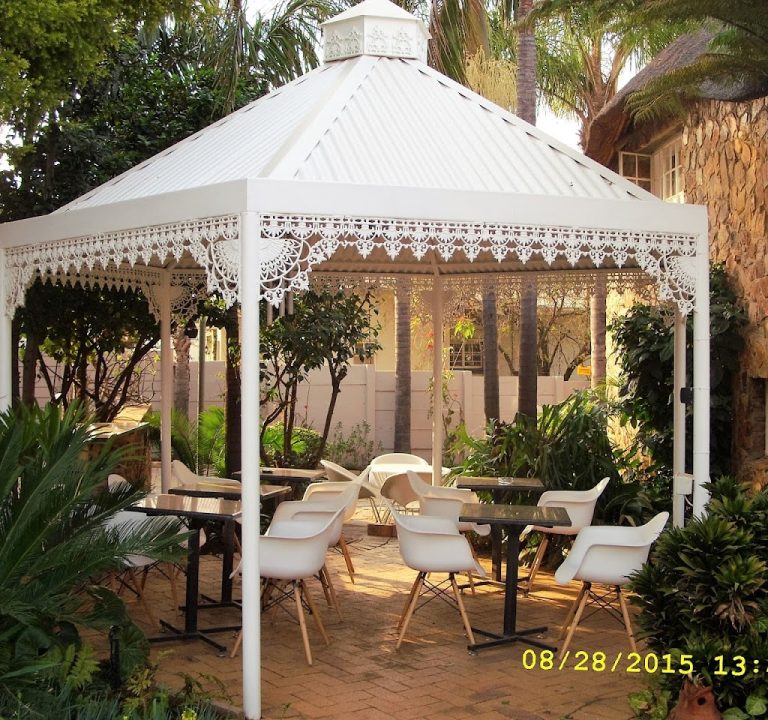
The Crown Guest House, as a bed & breakfast option in Pretoria’s lodging landscape, typifies the boutique guesthouse approach: intimate hospitality, thoughtful décor and easy access to both the city’s cultural corners and green spaces. Whether you’re seeking a restful retreat, a convenient base for business, or a starting point for explorations of Gauteng, Pretoria’s accommodation spectrum offers a welcoming stay with room to grow your own experience. For more information, you can visit the property’s official website to confirm availability and current offerings.