Accommodation and Things to Do in Krugersdorp, Gauteng
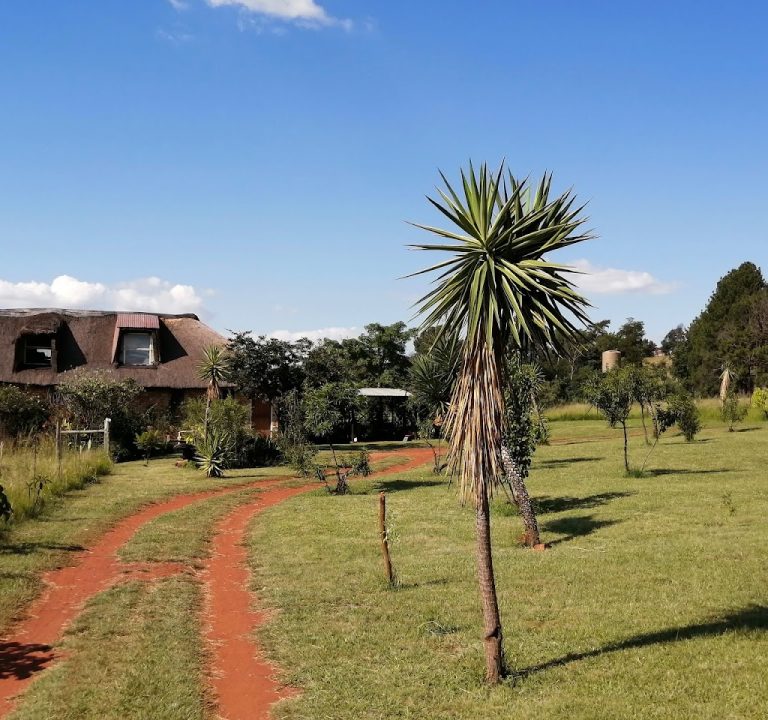
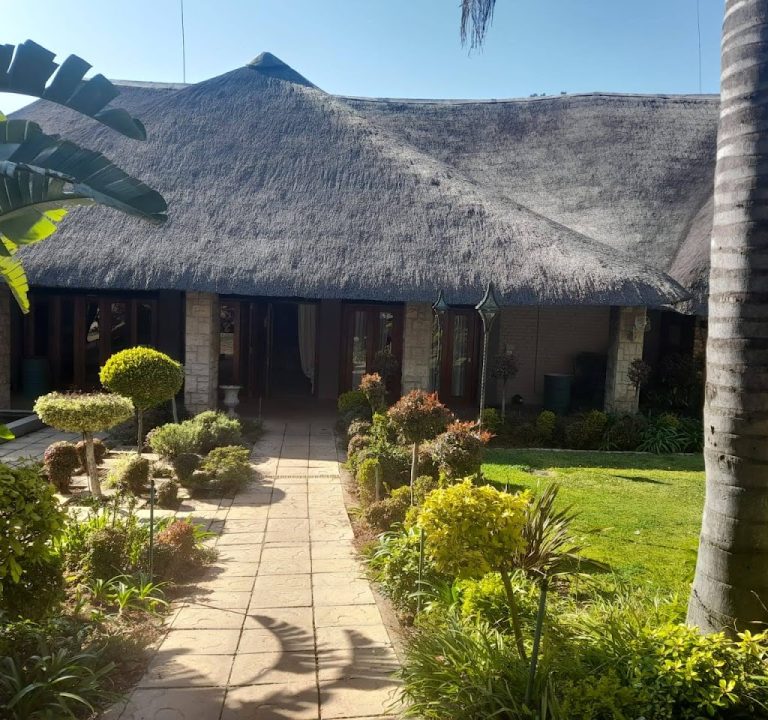
Krugersdorp offers a blend of relaxed lodge stays, intimate B&Bs and comfortable guesthouses that suit travellers seeking convenient access to Johannesburg and the northern Gauteng countryside. When planning a stay, consider the neighbourhoods you’d like to use as a base. Suburbs closer to the Muldersdrift area tend to be scenic and quieter, with easy access to the Cradle of Humankind World Heritage Site, while the town centre provides more practical access to shops, markets and public transport. A mid-range lodge such as The Cradle lodge can illustrate the variety in this area: expect comfortable rooms, an emphasis on hospitality, and a setting that balances easy access to natural beauty with practical proximity to routes into the city and beyond.
Accommodation options span from stylish lakeside or garden-facing lodges to traditional guesthouses and self-catering units. When booking, look for practical amenities that make a stay easier and more comfortable. Key features include secure on-site parking, reliable Wi‑Fi, a faultless housekeeping schedule, and on-site dining options or continental breakfasts. If you’re travelling with family or a group, consider whether a self-catering unit or a larger suite with a kitchen or kitchenette would suit your rhythm. For travellers seeking a more intimate experience, a small B&B or lodge with thoughtful service can offer a personalised welcome and insider tips on local spots.
Transport and access are worth planning in advance. Krugersdorp is well connected by road to Johannesburg and the northern reaches of Gauteng, with relatively straightforward routes for those driving themselves. If you prefer public transport, check proximity to bus routes or taxi associations, and note that train services in the region may run on limited schedules. For day trips, a car rental is often the most convenient way to reach the Cradle of Humankind, Sterkfontein Caves and other natural or archaeological sites in the area. If you’re staying in a lodge or guesthouse, ask about suggested routes or organised tours offered by your host; many properties partner with local guides or operators who specialise in day trips to nearby attractions.
Best time to visit Krugersdorp and its surroundings generally aligns with the South African winter and spring for comfortable outdoor exploring, and with the milder autumn as well. Summers can be warmer and more humid, but they bring a lush, green landscape that complements outdoor excursions. If your plan includes outdoor activities such as nature trails, photography around sunrise or late afternoons, or visits to World Heritage sites, consider midweek stays to avoid peak crowds at popular spots.
When it comes to amenities, many Krugersdorp lodges and guesthouses offer focused experiences. You’ll often find well-appointed rooms with en-suite facilities, tea and coffee provisions, and sometimes private patios or verandas for outdoor relaxation. Dining options range from hotel-style breakfasts to intimate on-site eateries serving local favourites. If you have dietary restrictions, it’s worth confirming in advance whether the property can accommodate them or whether you’ll need to plan for self-catering meals on certain days. Laundry services, daily housekeeping, and late-check-in options are common features that can ease travel logistics, particularly on longer stays.
Krugersdorp’s attractions and areas of interest sit within a short drive of many accommodation options. The region is known for its proximity to natural landscapes, wildlife reserves, and the Cradle of Humankind, a UNESCO World Heritage Site renowned for its significant palaeontological discoveries. For a smooth visit, plan a day around a central hub and allow time for a relaxed lunch or a countryside stroll. While specific venues and prices vary, visitors generally seek a balance between outdoor activities, cultural insight, and restful evenings at their accommodation.
Food and drink experiences in the area tend to be informal yet satisfying. Expect to encounter restaurants and cafés that focus on hearty South African favourites, fresh local produce, and seasonal flavours. If you’re staying in a self-catering unit, you’ll have the option to prepare meals with locally sourced ingredients, while B&Bs and lodges may offer hearty breakfasts or light suppers that showcase regional ingredients. For recommendations, consult your host or check locally published guides and reputable travel sites for current highlights and seasonal openings.
Practical tips to smooth your planning:
- Book in advance during school holidays and long weekends to secure the best-room options.
- Ask about late check-in and access details if you’ll arrive after hours.
- Confirm whether the property has generators or alternative power arrangements, especially in peak summer or winter demand periods.
- Inquire about parking arrangements, security features, and the accessibility of bedrooms or facilities if mobility is a consideration.
- Check for walking trails or natural viewpoints nearby to plan pleasant morning or late-afternoon outings.
- When budgeting, include potential day trips to nearby attractions and the cost of guided experiences if you prefer hassle-free exploration.
For planning resources, consider reputable regional tourism sites and national travel information pages to help refine your itinerary and lodging choices. These sources can provide current guidance on accessibility, safety, and seasonal highlights. If you’d like to explore web-based planning further, you can visit general South African tourism portals or Gauteng province travel pages for broader context and suggested day trips in the wider area.