Swellendam: accommodation, attractions and planning your visit
Swellendam, tucked between the Langeberg mountains and the Swellendam Valley, offers a compact yet characterful base for visitors exploring the Western Cape. The town combines heritage architecture, rolling farmland and a relaxed village atmosphere with easy access to nearby nature reserves. When planning a stay, consider whether you want to be in the historic centre, on a working farm a short drive away, or close to the river and surrounding trails. Each area has its own charms and pace, so choosing a neighbourhood map helps you orient yourself before you book.
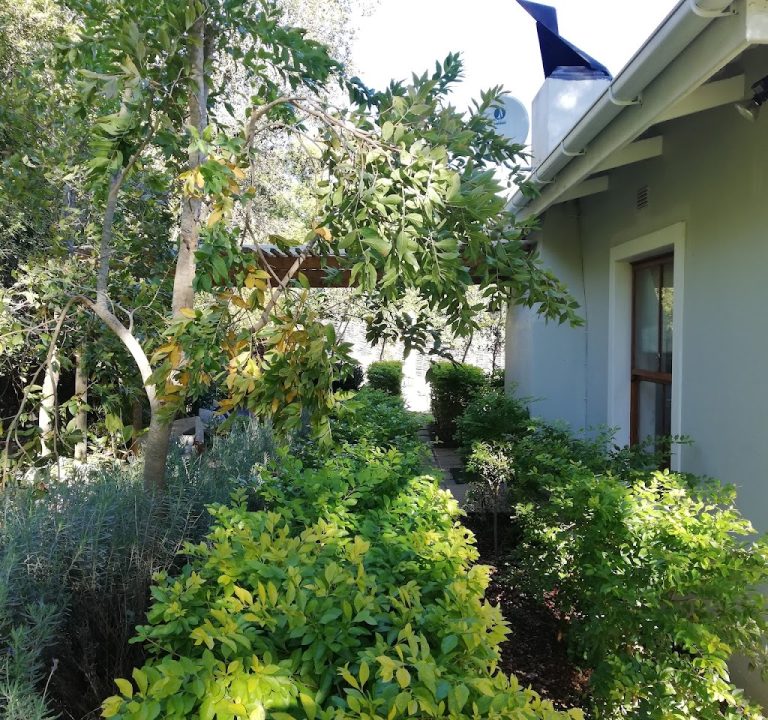
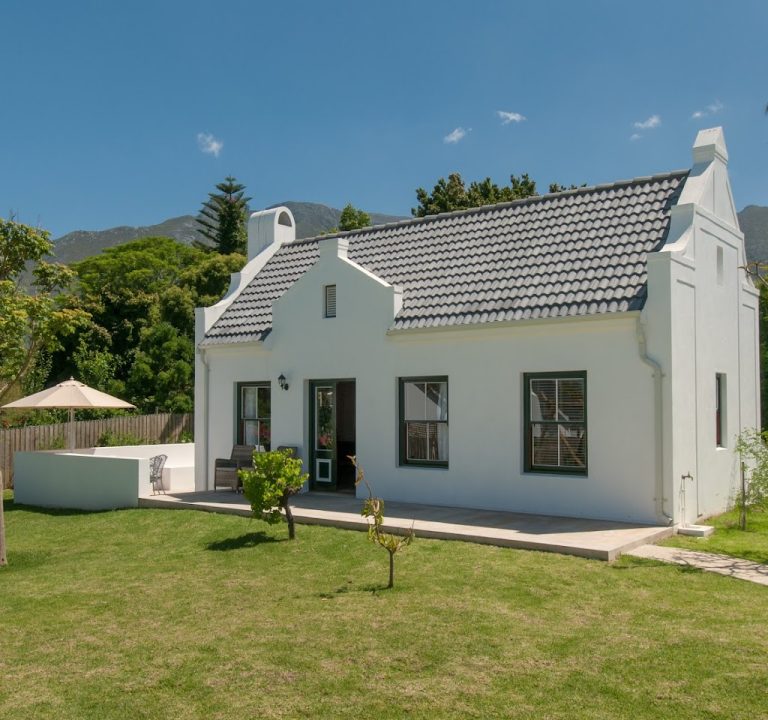
Where to stay matters as much as what you do. In the town centre you’ll find guesthouses, B&Bs and small hotels housed in or near historic buildings, often with a warm local welcome and easy access to eateries and shops. If you prefer space and privacy, self-catering options and rural guesthouses on the outskirts offer kitchen facilities and terraces with views of vineyards, orchards or the mountain backdrop. The Country Cottage is an example of self-catering accommodation in the area, emphasising a home-from-home experience with flexible schedules for families or groups.
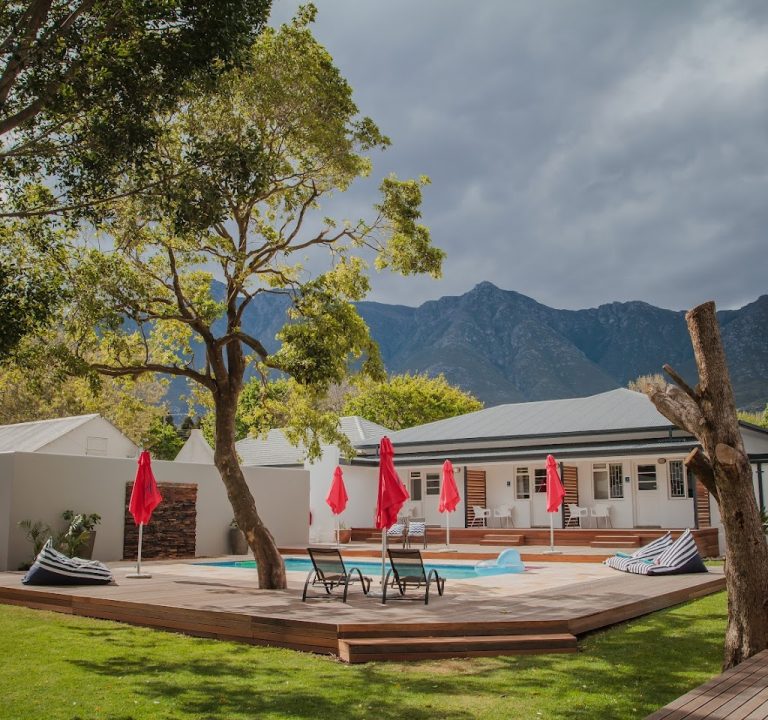
Typical amenities to expect include en-suite bathrooms, Wi-Fi, secure parking, and in many cases outdoor seating or braai (barbecue) facilities. Some properties feature swimming pools, verandas with mountain views, and access to shared lounges or libraries celebrating Swellendam’s literary and cultural heritage. When you book, look for clear details on bedding arrangements (whether rooms are en-suite or share facilities), whether there is self-catering capacity, and what the check-in process involves. If you travel with children or pets, filter searches to show family-friendly or pet-friendly options and confirm any restrictions in advance.
Transport and access are practical considerations. The town is compact enough to explore on foot, but if you plan day trips to the surrounding nature reserves or wine routes, a car is highly convenient. Some guesthouses offer shuttle options or can help arrange guided walks or day tours. If you’re arriving by public transport, plan how you’ll reach your accommodation from the railway station or bus stops, and check whether the property provides transport recommendations or parking on-site.
Best time to visit Swellendam depends on your interests. Spring (September to November) brings mild weather and verdant landscapes, ideal for nature walks and photography. Summer (December to February) is warm and suited to river rambles and outdoor dining, though occasional afternoon showers can appear. Autumn (March to May) brings cooler evenings and rich colours in the surrounding hills, while winter (June to August) is crisp and cosy, a good time for hearty meals and indoor pursuits such as crafts or reading by a fireplace. Consider local events, markets and festival calendars when planning a visit, as these often shape accommodation availability and restaurant openings.
What to plan for beyond the room. Swellendam is a gateway to nature preserves and scenic drives. Proximity to Bontebok National Park and surrounding reserves offers opportunities for wildlife viewing, birdwatching and leisurely hikes. A visit to the mountains and valleys around the town provides easy trails suitable for families, as well as more challenging routes for keen hikers. While enjoying the outdoors, remember to pack layers, sun protection, water, and sturdy footwear. Respect for farm and nature reserves is important—stick to marked paths, carry a map if you’re off-grid, and observe seasonal access rules or closures that may protect wildlife and habitats.
Dining and experiences within reach tend to emphasise regional produce and seasonal menus. Local restaurants frequently showcase fresh fruit and vegetables, dairy highlights, and regional wines. In Swellendam, you’ll find welcoming spaces that suit different moods—casual cafés perfect for a quick bite, and sit-down restaurants offering relaxed, country-inspired dining. If you’re seeking a taste of the area, look for options that highlight local ingredients and farm-to-table sensibilities, and check whether menus reflect seasonal produce. For a full experience, pair meals with a stroll through the town’s historic streets or a gentle walk along the nearby river, depending on what the day holds.
- Book well in advance during peak seasons or when local markets and events coincide with holidays.
- Ask hosts or guesthouse managers for personalised tips on the best nearby trails, viewpoint drives or hidden eateries.
- Confirm what is included in your stay—daily housekeeping, self-catering groceries, or linen changes—as this can affect your planning and budget.
- Check transport options, including parking availability and proximity to the town centre or trailheads.
- Pack thoughtfully for the climate and terrain, with a lightweight layer for evenings and sturdy shoes for outdoor activities.
In summary, Swellendam rewards travellers who balance accommodation preferences with a flexible plan for outdoor time, gentle strolls through historic streets, and relaxed dining experiences. By focusing on location, amenities, and practical needs—and keeping a light itinerary with room for spontaneous discoveries—you can craft a memorable stay that captures the charm of this Western Cape town.