Himeville: Accommodation, Attractions and Planning Your Stay
Himeville, tucked on the southern edge of the KwaZulu-Natal Drakensberg, is a peaceful base from which to explore highland scenery, rolling valleys and easy-access hiking trails. Whether you are seeking a cosy B&B, a rustic lodge or a small guesthouse with warm hospitality, the village offers a handful of thoughtfully run options that suit a range of travellers. Expect country charm, rural vistas and a slower pace that invites you to unwind and linger a little longer.
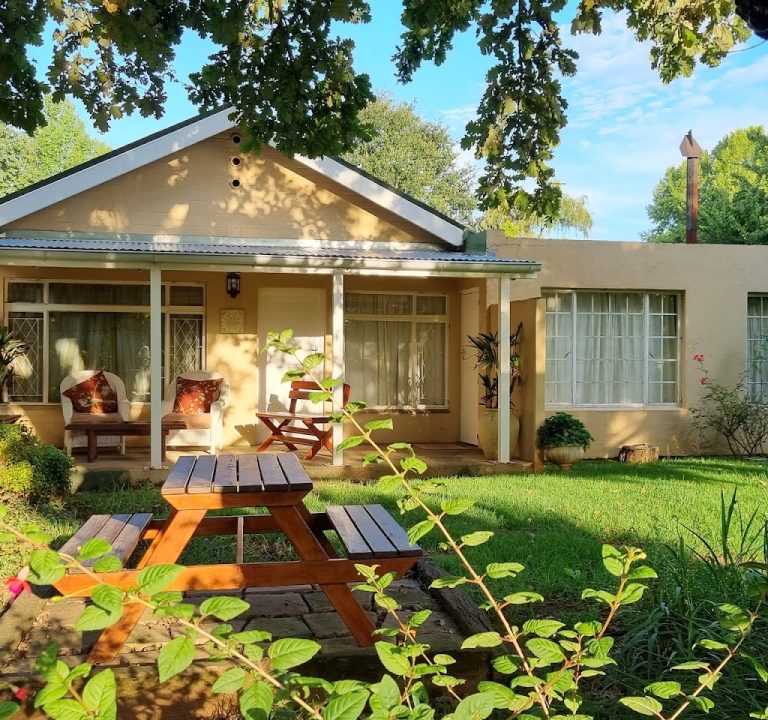
When choosing where to stay, consider the layout of the village and surrounding areas. The central core is compact and walkable, with most B&Bs and guesthouses located within short, drystone-walled lanes or along tree-lined streets. If you prefer swift access to trailheads or quieter outskirts, look for sites on the outskirts of Himeville that offer dedicated parking and easy vehicle access to the Drakensberg foothills. The Cottage on the Corner is an example of a traditional bed and breakfast style in this area, offering a home-from-home atmosphere, breakfast as a feature, and a private approach to guest rooms.
Typical amenities to expect at well-run properties include comfortable en-suite rooms, heated beds or fireplaces for chilly evenings, reliable hot water, and wholesome breakfasts featuring local produce where possible. A good B&B in Himeville should also provide secure on-site parking, a friendly host who can offer local tips, and access to common spaces such as a guest lounge or garden. Wi‑Fi is commonly available, though signal can vary in more remote corners of the Drakensberg, so plan accordingly if you rely on streaming or remote work. If you’re travelling with family or a group, some properties offer interconnecting rooms or family suites, as well as flexible dining arrangements and space to store hiking gear.
Practical planning tips can help you make the most of your stay. Start by clarifying what you want from your trip—whether it’s quiet mornings with a hot breakfast before a day of walks, or evenings spent by a fireplace with a good book. If you intend to explore the surrounding nature reserves or local hill trails, choose accommodation with easy access to parking and minimal gravel paths to reach doorways. When booking, read reviews with an eye for cleanliness, quiet hours, and the level of guidance offered by hosts about local routes and safety. In peak seasons, confirm breakfast times and whether cooked options are available, as these can noticeably influence how early you start your day on the hills.
Getting around is straightforward with a car, and many attractions in the Drakensberg region are best reached by private vehicle. If you don’t drive, check whether your chosen place can assist with a taxi or lift arrangement for day trips, particularly if you plan to visit viewpoints with limited public transport. Pack for variable weather: mornings and evenings in the Drakensberg can be cool even in summer, while afternoons may bring warm spells. A light jacket, comfortable walking shoes, and a small daypack to carry water and snacks are sensible inclusions.
Best time to visit depends on what you want to do. Summer (December to February) brings greenery and wildlife activity, with longer days for hikes and photography. Autumn (March to May) can offer cooler, crisp days with autumn colours in the uplands. Winter (June to August) is generally dry and sunny, with frosty mornings and spectacular mountain vistas—ideal for photographers and those who enjoy a quiet, contemplative landscape. Spring (September to November) brings fresh blooms and a gentle uptick in humidity. If you’re seeking dramatic scenery, the Drakensberg’s higher trails can be challenging in winter snow, so plan accordingly and heed local safety advice.
Before you go, make a simple plan for your stay. Map a couple of must-do experiences for each day, but leave space for spontaneous walks or a cosy meal at a local restaurant. For a well-rounded visit, consider pairing a morning hike with an afternoon visit to a nearby viewpoint or nature reserve, followed by a relaxed dinner back at your accommodation or a nearby eatery. For those seeking cultural flavour, you can often combine scenic views with brief stops at village stores or cafes that celebrate the area’s rural hospitality.
What to look for when booking:
- En-suite rooms and heating options for chilly evenings
- Parking and ease of access to the property
- Breakfast service and whether options include cooked dishes or continental choices
- Proximity to trailheads and viewpoints
- House rules, quiet hours, and pet policies if relevant
Attractions and experiences in the area tend to emphasise natural beauty, hiking and family-friendly outdoor activities. Expect panoramic valley views, relatively short walks suitable for a range of abilities, and the chance to observe native birds and wildlife in protected landscapes. Dining tends to favour straightforward, home-cooked meals with a focus on local produce, from hearty country breakfasts to fireside suppers and light lunches.
If you’d like to plan with a touch more guidance, you can explore general Drakensberg region resources for an overview of trails, seasons and safety tips, and then tailor your stay to the pace you prefer. For those seeking inspiration and practical information about the Drakensberg, reputable travel sites offer broad context on the landscape, accommodation options and the kinds of experiences travellers commonly pursue in the area.
- Choose accommodation with clear communication and flexible booking terms
- Balance mornings in nature with relaxed evenings at your base
- Prioritise accessibility and parking if you will be driving in the region
- Pack for variable weather and plan energy-rich snacks for hikes
In summary, Himeville offers a welcoming gateway to the Drakensberg with a variety of small, person-focused properties where hosts anticipate your needs. With well-chosen accommodation like The Cottage on the Corner and thoughtful planning, a stay here can feel intimate, restorative and perfectly placed for exploring one of KwaZulu-Natal’s most scenically rewarding regions. For further ideas and practical tips, consider visiting local tourism pages that share maps, seasonal notes and suggested itineraries.