Accommodation and Attractions in Pretoria: Planning a Comfortable Stay in Gauteng
Pretoria, the administrative heart of Gauteng, blends historic charm with modern vibrancy. When planning a stay, guests can choose from a range of accommodation options, from stylish self-catering apartments to intimate guesthouses and contemporary hotels. The city’s layout is practical for travellers, with central districts offering easy access to business precincts, government buildings, and a growing roster of cultural and culinary experiences. A well-rounded visit typically mixes a comfortable base with time spent exploring parks, museums, markets, and the diverse dining scene.
Areas to consider when choosing a base include the central business district for proximity to offices, embassies, and urban attractions; the eastern suburbs for leafy streets, family-friendly stays, and access to major routes; and the more youthful, cafe-and-boutique-oriented neighbourhoods in and around the city centre. If you prefer a quieter atmosphere with a touch of suburbia, consider options a short drive from central Pretoria while still being well connected to major roads. For those seeking a true local flavour, look for properties that support self-catering or offer kitchen facilities, and that are near markets or groceries so you can prepare your own meals after long days of sightseeing.
Typical amenities to look for include reliable Wi‑Fi, secure parking, 24-hour reception or on-site staff, daily housekeeping or light cleaning options, and well-equipped kitchens or kitchenettes in self-catering units. Guesthouses often provide breakfast or the option for light meals, while hotels may offer on-site dining, fitness facilities, and business services. In self-catering apartments, verify the availability of essential appliances, sufficient storage, and clear guidance on access instructions, as well as nearby supermarkets and convenience stores. When booking, check reviews that comment on cleanliness, comfort of beds, noise levels, and the responsiveness of hosts or management.
Transport in Pretoria is straightforward but benefits from a little planning. A car is convenient for exploring beyond the immediate neighbourhoods, especially if you wish to visit museums, botanical gardens, or fast-growing shopping and dining precincts. Public transport includes buses and minimal rail services in parts of the city, but many travellers prefer ride-hailing or private transfers for door-to-door convenience. If you intend to venture into surrounding areas or to explore the wider Gauteng region, a car offers the most freedom. For those who favour a more relaxed pace, staying near a major thoroughfare or near a taxi or rideshare hub can simplify evening outings to restaurants and markets.
The best time to visit Pretoria depends on your plans. The city enjoys warm summers with afternoon thunderstorms and cooler, dry winters. Spring and autumn are particularly pleasant for outdoor activities, when gardens, parks, and nature reserves are at their most inviting. If you are keen on outdoor venues, consider scheduling visits to parks and botanical gardens during milder days in spring or autumn. For business trips, plan to align your stay with conference schedules or municipal events, but be mindful of peak travel times around holidays or major festivities when accommodation availability and rates can vary.
Practical tips for a smooth stay include confirming check-in arrangements in advance, especially for self-catering units where entry codes or keys must be collected from host or management staff. Pack a universal adaptor and a small first‑aid kit for day trips. It can also be useful to have a printed map or offline navigation handy, as mobile reception can vary in certain areas. When choosing a place to stay, consider access to reliable hot water and climate control, particularly if you are visiting during extreme weather. Think about your daily routine: if you plan to dine out frequently, proximity to restaurants and late-night options may influence your choice of neighbourhood or property type.
For a balanced itinerary, you might structure a stay around a few core experiences. Museums and cultural centres offer insights into South Africa’s history and contemporary life, while parks and gardens provide peaceful spaces for strolls or picnics. Markets and casual eateries let you sample local produce and flavours in a relaxed setting. If you prefer guided experiences, look for accommodation that can arrange or recommend reputable tours—such as city introductions, nature drives in nearby reserves, or art and heritage walks. While it’s wise to keep a flexible plan, having a handful of must-see stops ensures you make the most of your time in Pretoria.
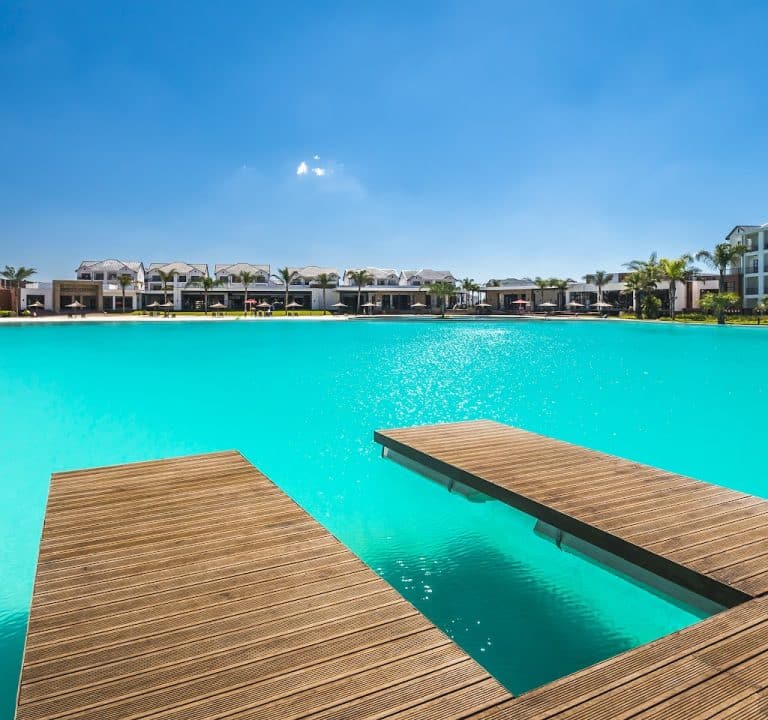
Self-catering options such as The blyde Lebzin Apartment can be convenient for travellers who value independence and the ability to manage meals around a busy itinerary. These properties typically offer a private living space, fully equipped kitchens, and a convenient location relative to transport routes and local amenities. When evaluating a self-catering stay, confirm the cleanliness of the space, the completeness of kitchen utensils, and the accessibility of essential supplies in the surrounding neighbourhood.
- What to look for when booking: type of accommodation, location relative to your planned activities, on-site facilities, and the reliability of communication with the host or management.
- Essential amenities: Wi‑Fi quality, heating or cooling, secure parking, and a functional kitchen or kitchenette for self-catering stays.
- Transport planning: proximity to major roads or ride-hailing access, and the practicality of public transport for your itinerary.
- Best time to visit: consider milder seasons for outdoor activities; align visits with any events or markets if desired.
- Practical tips: verify check-in procedures, bring a small first-aid kit, and have offline maps available for easy navigation.