Staying in Pretoria: where to stay, what to expect, and how to plan your visit
Pretoria, the capital city of Gauteng, blends grand government architecture with leafy suburbs, cultural spaces and a friendly, relaxed pace. When planning a stay, consider the city’s distinct neighbourhoods, as each offers a different flavour of experience. Central areas are practical for sightseeing and business, while northern suburbs tend to be quieter and more residential, and eastern and southern districts provide easy access to newer malls, parks and nature reserves. The best choice depends on your priorities—easy access to attractions, a tranquil base for long stays, or a lively setting with cafés and nightlife on your doorstep.
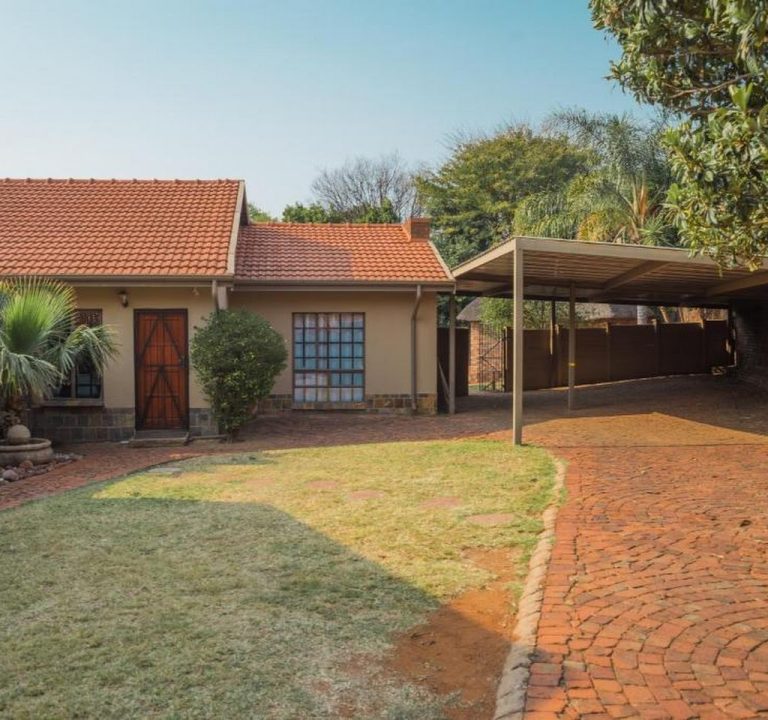
Accommodation options in Pretoria span practical bed-and-breakfasts, family-friendly guesthouses, boutique hotels and well-appointed lodges. Many properties specialise in a warm South African welcome, with breakfast options, secure parking, comfortable lounges and reliable Wi‑Fi. If you plan to drive, a guesthouse or hotel with on-site parking can save time and reduce stress. For those preferring public transport, look for locations near major routes or Gautrain access points. A few well-situated areas to consider are:
- Brooklyn and Waterkloof: leafy streets, embassies, stylish cafés and easy access to major arterials.
- Hatfield and the Pretoria Central corridor: convenient for exploring museums, shopping and the city’s historic heart.
- Menlyn and surrounding precincts: modern shopping centres, entertainment and newer lodges or hotels with contemporary amenities.
- Ridge and northern suburbs: greener surroundings, quieter evenings and a more residential rhythm.
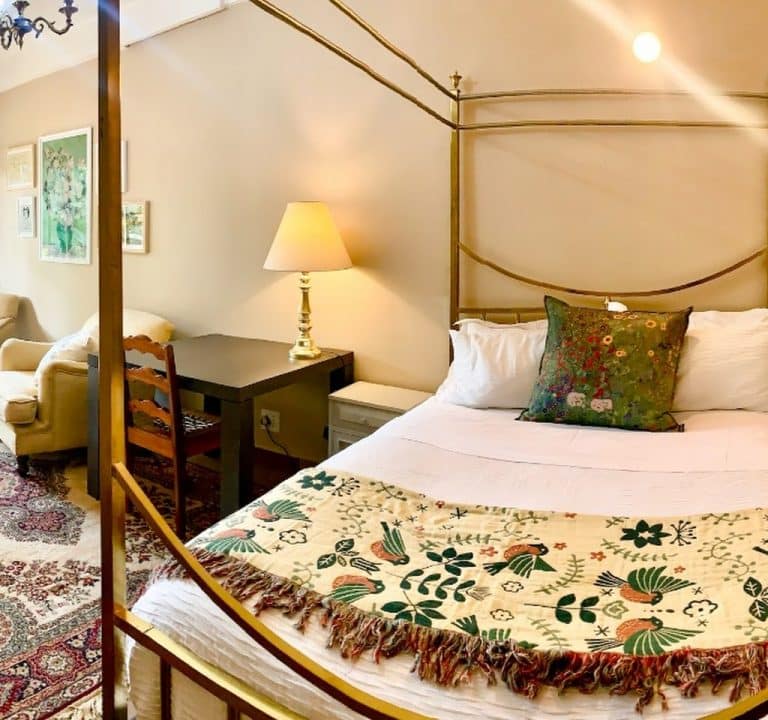
When booking, think about the key amenities that will shape your stay. Essential considerations include secure parking or strong security, reliableWi‑Fi suitable for remote work, air conditioning or heating for Pretoria’s variable climate, and en-suite bathrooms. If you’re travelling as a family, check for family rooms or suites, child-friendly spaces, and on-site dining options. For couples or travellers seeking time to unwind, look for properties with comfortable lounges, gardens or pools. Some lodgings offer small libraries or social spaces that make it easier to mingle with other guests or simply relax after a day of exploring.
Transport is a practical part of any itinerary. Pretoria’s public transport network has improved in recent years, with bus routes, tram-like shuttle services in some areas and reliable rail connections to Johannesburg and other parts of Gauteng. If you plan to use Gautrain, check how close your accommodation is to park-and-ride stations or to the rail link itself. Car hire remains popular given the city’s spread-out attractions, but many visitors find a central base plus guided day trips a comfortable balance. For those exploring on foot or via short rides, many guesthouses and boutique hotels offer shuttle services or can arrange transfers to major sights and dining districts.
Best time to visit Pretoria depends on your preferences. Spring (September to November) brings mild temperatures and colourful jacaranda blossoms, which many travellers find enchanting for walking tours and city photos. Summer (December to February) can be hot and occasionally rainy, ideal for indoor museums and shaded outdoor spaces, with plenty of greenery in parks and nature reserves. Autumn (March to May) offers comfortable daytime temperatures and quieter streets, while winter (June to August) tends to be cool and dry, suitable for museum hopping, coffee days and long restaurant meals. If you’re planning visits to outdoor spaces or nature reserves on weekends, consider booking well in advance when events or school holidays fall nearby.
What to expect from attractions and dining in general terms. Pretoria has a rich cultural layer, from national sites and museums to expansive gardens and wildlife spaces. Typical day plans might begin with a relaxed breakfast at your lodging or a nearby café, followed by a stroll through historic streets or a visit to a major national landmark. Afternoon options include leafy parks, botanical spots or a guided tour focusing on architecture and history, with a late lunch or early dinner at an established South African or contemporary restaurant. In the evenings, many districts offer a mix of casual eateries, stylish bistros and traditional tables where you can sample regional flavours in a relaxed setting. Always check opening times in advance, as some venues may operate on seasonal or Sunday schedules.
Practical tips to help you plan and enjoy a smooth stay:
- Book an accommodation close to the areas you’ll spend the most time in, to reduce travel time between sights, meals and shopping.
- Read recent guest reviews for insights on security, staff responsiveness and the quality of the included breakfast or amenities.
- Ask about parking arrangements, being mindful of any security requirements or access restrictions after hours.
- Consider a flexible itinerary that blends indoor experiences (museums, galleries, shopping centres) with outdoor time in parks and gardens.
- Check transfer options or guided day trips for viewpoints, nature reserves and highlights outside the city centre.
For further planning and ideas on where to stay and what to do, consult official tourism resources and travel guides. Websites that focus on Gauteng and Pretoria’s visitor information can offer up-to-date suggestions, opening hours and practical tips. When you’re ready to book, look for properties that clearly outline costs, policies, and cancellation terms so you can travel with confidence. More than a place to sleep, a well-chosen base in Pretoria can heighten your experience of South Africa’s highveld hospitality, history and landscapes.