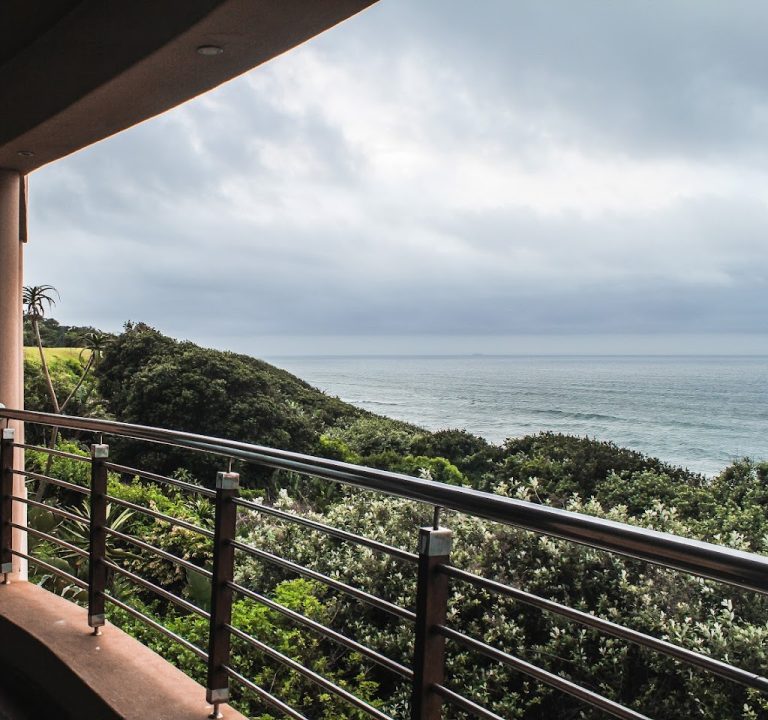
Bluff, Kwa-Zulu Natal: Accommodation, Attractions and Practical Planning for Your Stay
Bluff, a scenic coastal suburb just south of Durban, offers a relaxed base for visitors seeking ocean views, surfers’ beaches and easy access to the broader Kwa-Zulu Natal coastline. While the area is small enough to explore on foot or by a short drive, it presents a pleasing mix of guest houses, boutique stays and self-catering options that suit couples, families and solo travellers alike. Planning a stay around Bluff means balancing seaside atmosphere with practical considerations such as transport, services and timing to make the most of your visit.
When it comes to accommodation, Bluff delivers a spectrum of settings. You’ll find intimate guest houses perched above the coast with sunrise outlooks, modest B&Bs tucked into residential streets, and guest-friendly self-catering establishments that offer a little more privacy and flexibility. A stay at a dedicated guest house, such as a property modelled as The Beach House, often brings breakfast service, guest lounge areas, secure parking and a personalised approach to local tips. Look for hosts who can share practical guidance on tides, surf-friendly beaches and safe walking routes, particularly if you plan early morning walks or evening strolls along the promenade.
Areas to consider within Bluff include the coastal neighbourhoods closest to the sea, where many guest houses enjoy sea breezes and easy beach access, and inland pockets that may offer quieter streets and more garden space. Booking near the coast can be ideal for sunset views and shorter walks to the beach, while inland options may appeal to travellers seeking a calmer base with straightforward access to Durban’s urban amenities or longer scenic drives along the Natal coastline.
Essential amenities to look for include free Wi-Fi, secure on-site parking, and flexible check-in arrangements. A comfortable bed, adequate heating or cooling, and well-equipped bathrooms are important for a restful stay. For families, consider family rooms or suites with separate sleeping areas, plus a kitchenette or tea-and-coffee facilities. Hosts who provide practical touches—such as local maps, walking routes, or recommendations for beaches with lifeguards—can greatly enhance your visit. If you value a shared space, inquire about communal lounges, guest kitchens, or outdoor seating areas where you can mingle with other travellers or enjoy a quiet evening in the coastal air.
Transport considerations are straightforward but worth planning ahead. Bluff’s coastline means you’ll likely rely on road transport. If you’re dipping in and out of Durban and the surrounding attractions, a rental car offers the most flexibility, though a well-connected taxi or rideshare service can be sufficient for shorter trips to surf beaches, cafés and nearby parks. If you’re staying near the coast, you might be able to walk to some beaches or cafés, but plan for sunscreen, hydration, and shaded stops in the heat of the day.
The best time to visit Bluff depends on what you’re seeking. Summer (November to February) brings warmer sea temperatures and lively beach atmosphere, though humidity and heat can be high. Winter (June to August) tends to be milder by the coast, with cooler evenings—great for long walks and scenic coastline views. April and May offer pleasant transitional weather and quieter beaches. If you’re a surfer or water-sports enthusiast, research local sea conditions and lifeguard coverage, and schedule beach days when conditions are suitable and safe. For nature lovers, the coastal environment and nearby reserves can be enjoyed year-round, with spring displaying a particular richness in birdlife and coastal flora.
Attractions and experiences in and around Bluff are wonderfully straightforward to fit into a relaxed itinerary. Coastal walks along promenades, birdwatching by the shore, and scenic viewpoints deliver a sense of place without the need for long excursions. A short drive can open access to Durban’s broader cultural scene, coastal parks, and the bay’s maritime heritage, while local cafés and casual eateries offer commentaries of life by the sea. In terms of dining, you’ll find modest eateries and guesthouse-friendly dining options that emphasise regional produce and simple, comforting meals after a day by the water. To keep planning uncomplicated, look for venues that are easy to reach on foot or by short taxi rides from your accommodation, and query hosts for current recommendations and seasonal highlights.
Practical tips to ensure a smooth stay:
- Book with flexibility where possible—coastal stays can be affected by weather or seasonal demand.
- Ask hosts about parking arrangements, access to beaches with lifeguards, and safe routes for evening strolls.
- Pack layers for coastal weather; evenings can be cooler, even in summer, and sunscreen is essential during the day.
- Consider a mix of beach days and quieter inland exploration to balance activity with rest.
- Check the latest local guidance on transport options and recommended routes to maximise your time.
For planning and inspiration, you can explore Bluff’s wider tourism resources to shape a comfortable, well-paced itinerary. A stay in Bluff can be both restful and conveniently connected to the broader Kwa-Zulu Natal coast, offering a flavour of seaside living with easy access to Durban’s facilities, markets and cultural spaces. If you’re looking for a focused base from which to discover the region, a guest house such as The Beach House can provide a warm, welcoming stay and practical tips to help you get the most from your Bluff visit. For further details on regional experiences and coastal routes, see the official tourism pages and related travel guides online.