Accommodation and Experiences in Gqeberha, Eastern Cape
Gqeberha, formerly known as Port Elizabeth, offers a coastline of golden beaches, leafy neighbourhoods, and a lively city hub that serves as a practical base for exploring the Eastern Cape. Whether you seek boutique stays, family-friendly hotels, or stylish lodges, the city’s accommodation options cater to a range of budgets and priorities. Planning a stay here means balancing proximity to the sea with access to transport links, dining scenes, and nearby natural attractions.
Where to stay in Gqeberha depends on what you want to do. The coastal strip around Humewood and Summerstrand is popular with visitors for easy beach access, ocean views, and walkable streets lined with cafés and shops. The central city area offers greater convenience for business travellers and those who prefer vibrant evenings, while suburbs like Walmer provide quieter residential energy and straightforward routes to regional attractions. If you’re organising a family holiday, look for family rooms, self-catering facilities, or nearby parks and beaches that are safe and well patrolled.
When booking, consider a few practical aspects to ensure a smooth stay. Check whether your accommodation includes essential amenities such as secure parking, reliable Wi‑Fi, hot water 24/7, and air conditioning or sufficient heating for the season. A good pillow-and-bed quality, a choice of breakfast options, and clear information about nearby transport can significantly ease daily plans. If you’ll be renting a car, verify on-site parking arrangements and ease of access to major routes leading to local attractions or day trips.
Transport around Gqeberha is straightforward but varies by area. The coastal neighbourhoods lend themselves to short walks or bike rides along promenades, while a car offers the most flexibility for exploring the wider Eastern Cape. Taxis and rideshare services are common, and some hotels arrange transfers to airports or game reserves. If you’re planning day trips, discuss the options with your host or hotel concierge, who can outline reliable routes to Addo Elephant National Park, coastal reserves, and the nearby littoral landscapes that characterise the region.
The best time to visit Gqeberha tends to be during the warmer months from late spring to autumn (roughly October to April), when the sea is inviting and there are more outdoor activities on offer. Shoulder seasons can be pleasantly quieter, with mild weather and fewer crowds at popular beaches. For wildlife enthusiasts, a trip to the nearby reserves can be arranged year-round, though planning ahead for seasonal road conditions and accessibility is wise in peak holiday periods.
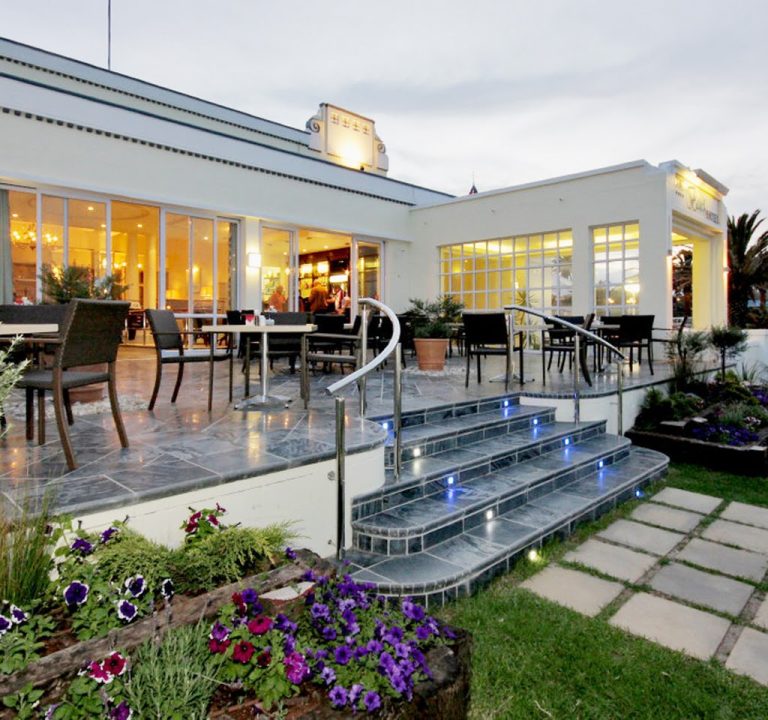
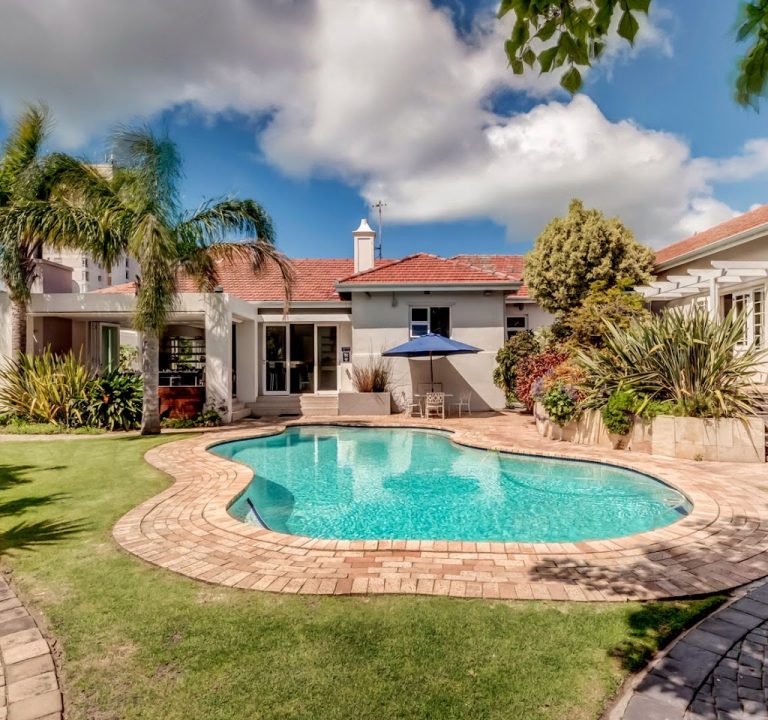
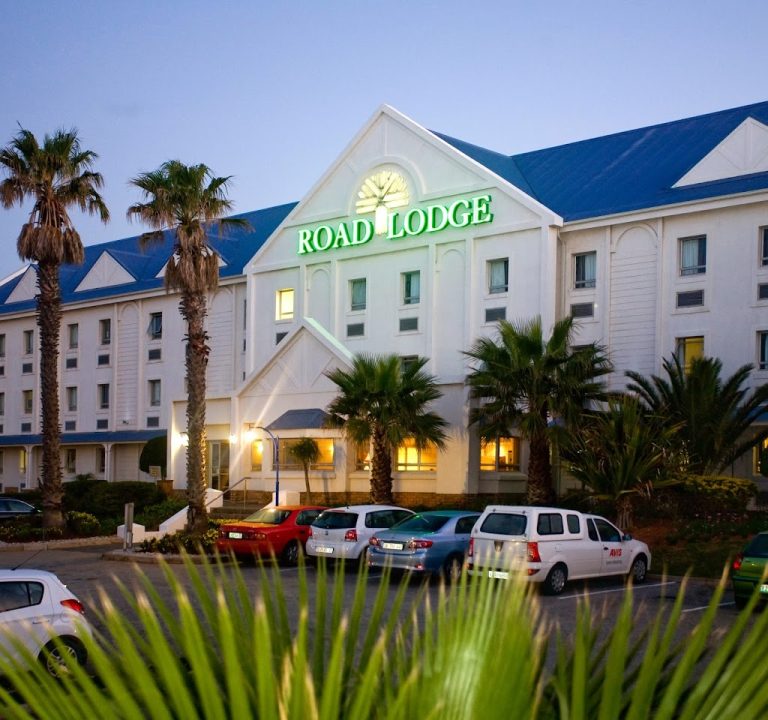
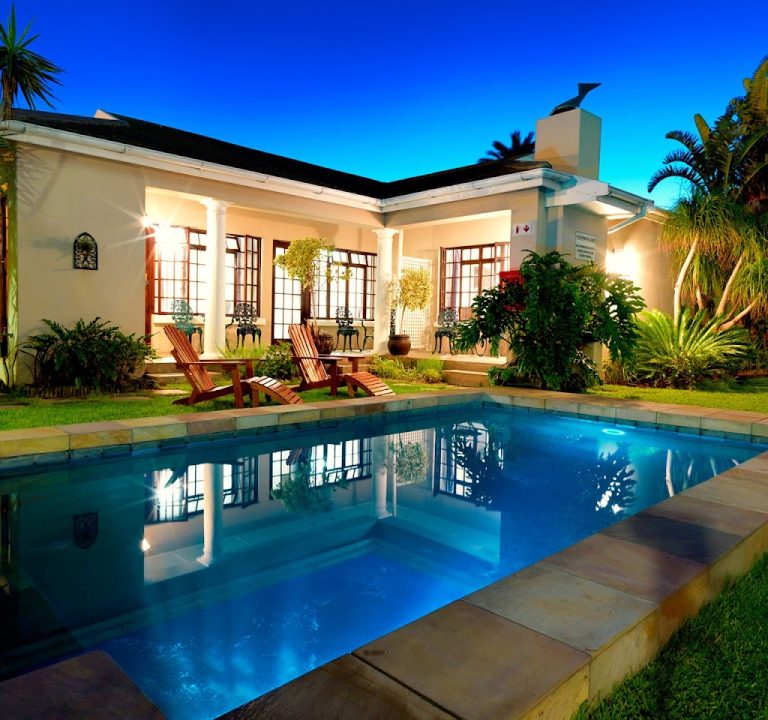
Accommodation types you’ll encounter include hotels offering on-site dining and concierge services, guesthouses with personalised tips for local exploration, and lodges that provide a tranquil base while you venture out to beaches, markets, and museums. A well-located hotel near the beachfront or harbour often balances price with convenience, while guesthouses can deliver a homely feel, helpful hosts, and easy access to local eateries. If you’re seeking a notable option in the area, consider reviewing The Beach Hotel, which maintains a presence in the city’s hospitality landscape. Their website offers information about rooms and facilities, and it can help you compare location and amenities with other nearby properties. https://www.thebeachhotel.co.za/
Within the city, several attractions sit within a short stroll or easy drive of most central or coastal stays. The coastline itself is a draw, with wide beaches and promenades ideal for morning jogs or sunset walks. Museums and cultural venues offer insights into the region’s maritime heritage, industry, and community life. For families and curious travellers, animal and nature experiences nearby can be enjoyed as day trips or half-day excursions, often combining scenic drives with wildlife or coastal scenery. While I won’t quote specific prices or awards, you can expect a range of experiences from informative exhibits and guided tours to scenic viewpoints and photo opportunities along the shoreline.
Dining in Gqeberha runs from seaside bistros to contemporary restaurants and casual cafés. Most areas near the coast feature easy access to a variety of menus, including dishes inspired by local markets and seafood highlights. When planning meals, consider trying a mix of casual lunches near the beach and more refined dinners within walking distance of your accommodation. It’s common for hotels and guesthouses to offer breakfast options or to recommend nearby eateries that match your tastes and pace of travel. If you want to sample daily rhythms of the city, ask your host or concierge for a short list of dependable options that align with your itinerary.
To make the most of your stay, here are practical planning tips:
- Choose an area based on your activities: beach days and walks near Humewood/Summerstrand; city sights and nightlife in central Gqeberha; quieter evenings in suburban pockets like Walmer.
- Check transport options and parking: assess whether you’ll rely on taxis, rideshares, or a rental car, and confirm parking at your accommodation.
- Look for flexible booking terms: consider refundable rates or clear cancellation policies in case plans change.
- Consider a mix of accommodation styles: a seaside hotel for convenience, paired with a guesthouse for local insight and a homier feel.
- Plan a balanced itinerary: combine beach time, cultural visits, and a day trip to a nearby reserve or park.
Gqeberha’s coastline, cultural venues, and hospitality scene come together to offer a relaxed, discovery-filled stay. By choosing the right area, confirming essential amenities, and balancing local experiences with downtime, you can enjoy a memorable visit to the Eastern Cape’s coastal city. For live planning, visiting the property’s official site or a few trusted travel guides can help you tailor your stay to the season, your pace, and your interests.