East London, Eastern Cape: Accommodation, attractions and practical planning tips
East London in the Eastern Cape is a city built along a long coastline, where the sea, parks and rivers shape a relaxed, outdoors-forward experience. When planning a stay, consider the mix of beachfront quiet, city convenience and leafy suburbs that characterise the area. Self-catering options, guesthouses, and boutique hotels are common, making it easy to tailor an itinerary to whether you want long beach walks, a café-and-market hop, or easy access to nature reserves and museums.
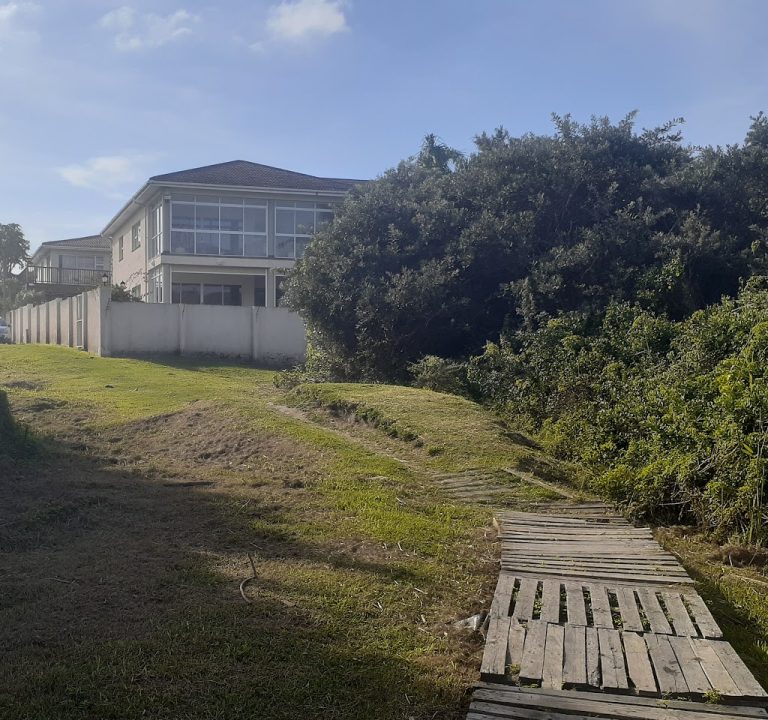
One appealing option for self-catering stays is to look for properties near the beachfront or the city centre. A self-contained rental such as The Aloe House can be a practical base, offering flexibility for families or groups who prefer a home-from-home setup. Properties of this type typically provide a kitchen or kitchenette, a lounge area, and private ensuite facilities, which can help you manage meals and downtime without sticking to strict restaurant timings. When booking, check the size of the space, available cookware, laundry facilities, Wi-Fi quality, and parking arrangements, as these details greatly affect comfort during a longer visit.
Where you choose to stay will influence what you can easily access. The beachfront and esplanade areas are popular for morning runs, sunset strolls, and easy access to swimming and water activities. The city centre often offers a compact cluster of restaurants, bakeries and coffee shops, plus calmer park spaces and cultural attractions. Suburban zones can be convenient for quieter nights and often provide safer, well-lit streets with coordinated transport options to the core areas. When planning your route, look at proximity to major beaches, the airport or rail connections, and the availability of reliable local transport or rental cars.
Accommodation in East London ranges from guesthouses with personalised service to purpose-built hotels and comfortable self-catering flats. Typical amenities to look for include secure parking, air conditioning or fans for humidity, reliable hot water, cooking facilities, and good Wi-Fi. If you’re visiting in peak season, confirm check-in hours and whether there is a flexible cancellation policy. For families or longer stays, a place with a separate bedroom or a dedicated living area can make evenings easier after busy days exploring the city and nearby nature reserves.
Transport in East London is generally straightforward for visitors. The city has a domestic airport and road connections to the coast and inland towns, so car hire is a popular option for those who want to explore at their own pace. For shorter trips, taxis or ride-sharing services are convenient, especially if you plan to dine out in the evenings. If you enjoy slower travel, look for accommodation within walkable reach of parks or the seaside, and factor in time for occasional scenic drives or coastal walks.
Best time to visit East London tends to be from late spring through autumn, when sea temperatures are friendlier and the weather is generally milder. Summer months bring lively outdoor activities, beach days and longer daylight hours, while autumn can be quieter, with pleasant conditions for walks by the river and coastal trails. If you’re planning to combine beach time with wildlife encounters, consider the shoulder seasons when accommodation can be more affordable and crowds lighter.
Practical planning tips for a smooth stay:
- Book early for peak periods, especially if you want a particular self-catering property or a boutique stay.
- Ask about kitchen appliances and laundry facilities if you plan a longer trip or family visit.
- Specify parking needs and access to public transport when booking, to avoid last-minute surprises.
- Consider a mix of activities: a beach day, a cultural site visit, and a nature walk or river outing to balance rest and exploration.
- Pack a light layer for cooler evenings and a sunhat or sunscreen for daytime on the coast.
- Check typical local opening times for markets, museums or protected areas to align with your itinerary.
Attractions in and around East London are spread across waterfronts, parks and the river estuary. You’ll find broad beaches suited to families and surfers, scenic coastal walks, and nature reserves offering birdwatching and easy trails. Museums and cultural venues portray the region’s history and its maritime past, while craft markets and cafés provide relaxed ways to sample local produce and artisan goods. Dining tends to reflect the coastal culture: casual fish and seafood spots, grill-and-braai establishments, and bistro-style eateries serving fresh, seasonal fare. For a balanced visit, plan one or two full days to explore a mix of beach, city and nature experiences, with calmer evenings at your accommodation to unwind and plan the next day.
In short, East London offers adaptable accommodation options that suit a range of travellers—from those seeking a self-catering base close to the shore to visitors who prefer a comfortable stay near the city’s cultural hubs. By choosing a well-positioned base, confirming practical details in advance, and layering activities across coastal, urban and natural settings, you can craft a memorable, well-paced visit to this part of the Eastern Cape.