Roodepoort, Gauteng: Accommodation and Attractions for a Comfortable Stay
Roodepoort sits on the western edge of Johannesburg, offering a mix of leafy residential suburbs, convenient transport links, and a calmer pace compared with the city centre. When planning a stay, travellers should balance proximity to key sites with the character of the neighbourhood. Roodepoort remains easy to access from Johannesburg and the OR Tambo International Airport, making it a practical base for exploring northern Gauteng while still feeling like a distinct, quieter corner of the city.
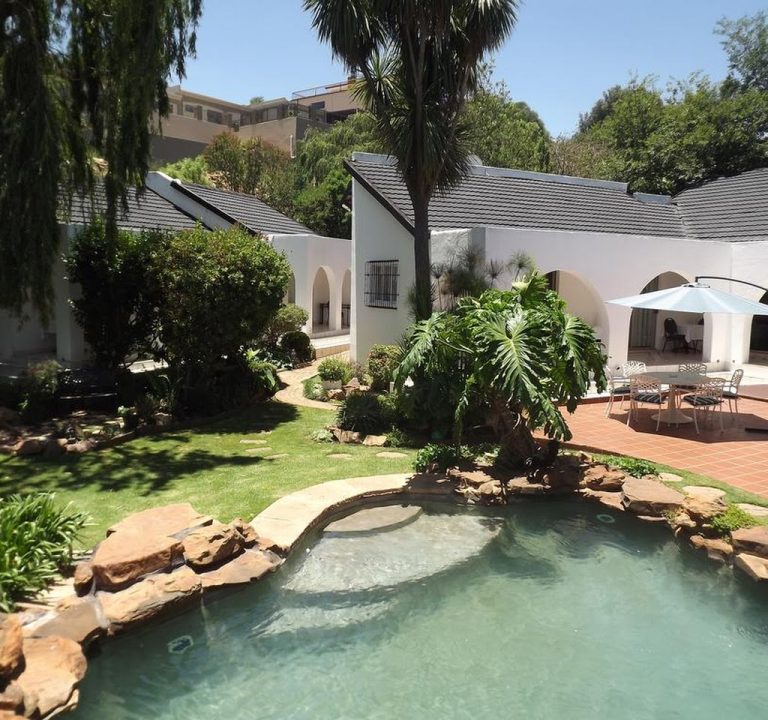
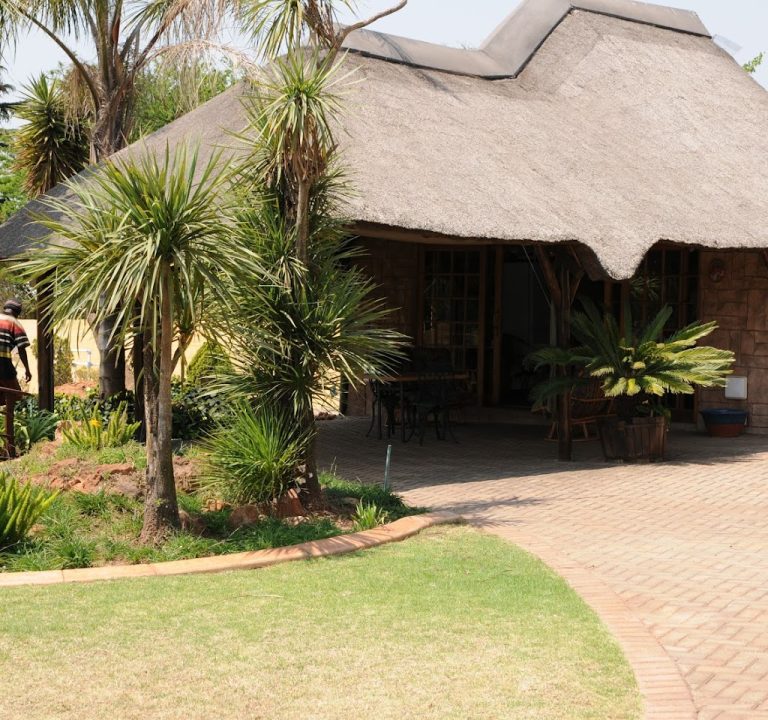
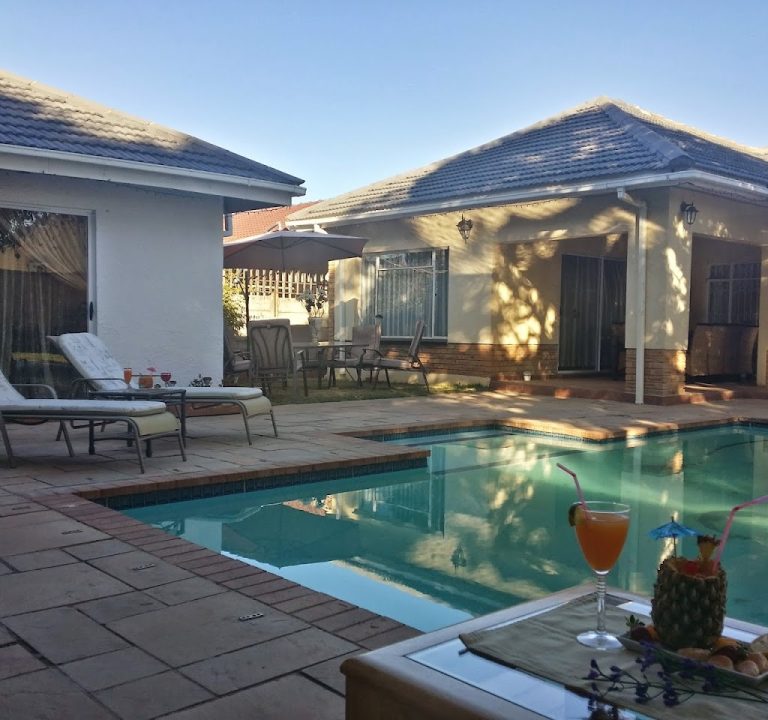
Accommodation in Roodepoort ranges from family-friendly guesthouses and small hotels to self-catering lodges tucked into jaded valleys or hillside suburbs. In general, you’ll find properties that emphasise practical comforts: secure parking, reliable Wi-Fi, and well-equipped kitchens or breakfast options. If you’re after a more hotel-like experience, look for places that offer on-site reception, daily housekeeping, and alternative dining arrangements. For a more intimate stay, consider guesthouses within residential streets, where hosts can offer personalised tips about local markets, coffee spots, and short walks around leafy neighbourhoods.
When choosing where to stay, consider the following areas and what they offer:
- Roodepoort CBD and central pockets: convenient access to shops, casual dining, and easy road links to northern Johannesburg.
- Constantia Kloof and surrounding suburbs: a calm residential feel with parkland, and often more spacious accommodation options.
- Honeydew and nearby rural-tinged villages: typically quieter, with access to larger properties and gardens.
- Closely linked suburbs to the Witwatersrand: good for families seeking secure parking and a homely environment.
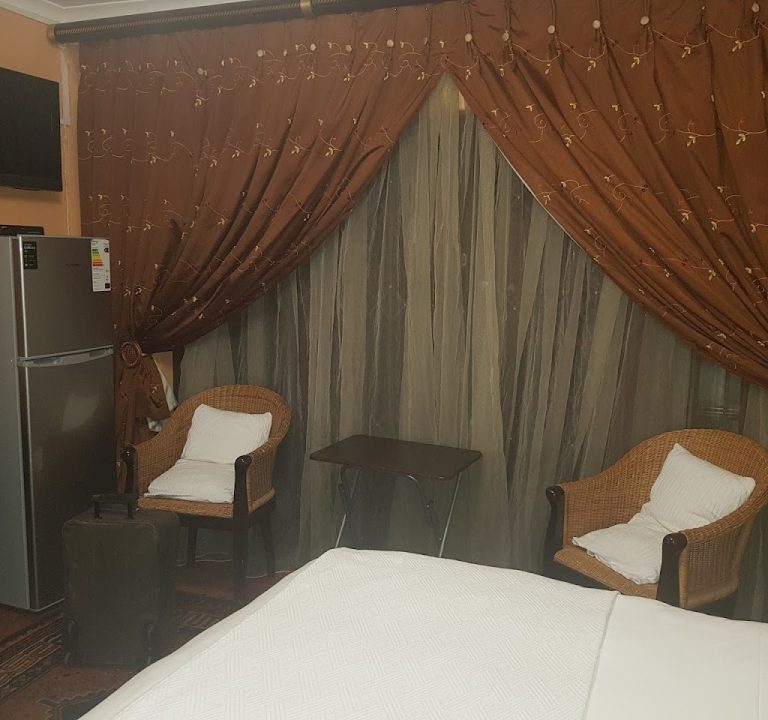
Typical amenities to look for when you book include secure parking or a dedicated space for guests, a reliable breakfast or self-catering setup, and quiet rooms with blackout curtains for a restful night. For longer stays, check whether the property offers kitchen facilities, laundry access, or shared lounge areas. If you’re travelling for business or meetings, it’s worth confirming a work desk, sufficient plug points, and a strong Wi-Fi connection. For families, request child-friendly rooms or suites and check whether there are nearby parks or safe walking routes.
Transport arrangements are important in Roodepoort. Many visitors rely on a rental car to explore the western regions of Johannesburg or to make day trips to nearby attractions. If you prefer not to drive, verify how close the property is to taxi services or public transport routes, and whether hosts can assist with guidance on safe, convenient options. The region is well-connected by major roads, so ease of movement often depends on parking availability and proximity to main routes. For those planning longer stays, a visit to the city centre can be a half-hour drive in light traffic, while outdoor or nature-oriented days may involve slightly longer drives to the edges of the Magaliesberg foothills or nearby botanical areas.
The best time to visit Roodepoort aligns with the broader Gauteng climate. Summers (November to March) bring warm days and the possibility of afternoon showers; winters (April to August) are cooler but generally dry and pleasant for outdoor exploration. Spring and autumn offer comfortable temperatures for strolling through suburban parks or relaxing on a veranda with a delicious meal. If you plan to visit for outdoor spaces or scenic viewpoints, consider morning visits to avoid heat and crowds, especially on weekends.
Attractions and experiences in the wider area are varied without requiring long journeys. Nature lovers often appreciate nearby gardens and viewpoints that showcase the region’s landscapes. Cultural travellers may explore local theatres and museums in adjacent parts of Johannesburg, while food lovers can enjoy a mix of casual cafés and informal eateries that highlight South Africa’s diverse culinary influences. When planning an itinerary, it’s sensible to allow a day for a relaxed drive or a guided walk that reveals residential character, street markets, and green spaces, rather than packing in every major attraction in a single day.
Dining options can be found within short drives or a pleasant stroll from many宿 accommodation choices. Look for properties offering a continental or hot breakfast, with nearby eateries that serve a blend of traditional South African favourites and contemporary dishes. If you’d like to venture out for dinner, Roodepoort and its surroundings provide a range of casual dining venues and family-friendly options, and many hotels and guesthouses will be able to point you to seasonal specials or local favourites. For those seeking further inspiration, local tourism sites and regional guides can offer broad overviews of what to eat and where to go, without fixing you to a single list of names or prices.
Practical tips for a smooth stay: book in advance for peak periods, especially weekends and school holidays; confirm parking arrangements and access hours; ask hosts for practical tips about safe walking routes, nearby supermarkets, and late-evening food options; bring a small adaptor for South African plug outlets if travelling from abroad. A well-chosen Roodepoort base should feel welcoming, with someone on hand to help you navigate the area, while giving you the space to enjoy quieter mornings and restorative evenings after days spent exploring Gauteng.
For more general planning ideas and background on South Africa’s regional tourism, you can visit official tourism resources online, which provide practical guidance and broader context for stays in the region. The African Research House, a category hotel in the area, offers a convenient starting point for those seeking a central site from which to base day trips and experiences in northern Gauteng.