Jeffreys Bay: a guide to accommodation, attractions and planning your stay
Jeffreys Bay, in the Eastern Cape, is famed for its long sandy beaches, world-class surf and a welcoming laid‑back vibe. Whether you’re seeking a cosy guesthouse, a modern beachfront apartment or a family-run inn, the town offers a range of options that suit different budgets and styles. When planning a stay, think about what will make your visit easiest and most enjoyable—from location and style to access to the highlights and practicalities for each season.
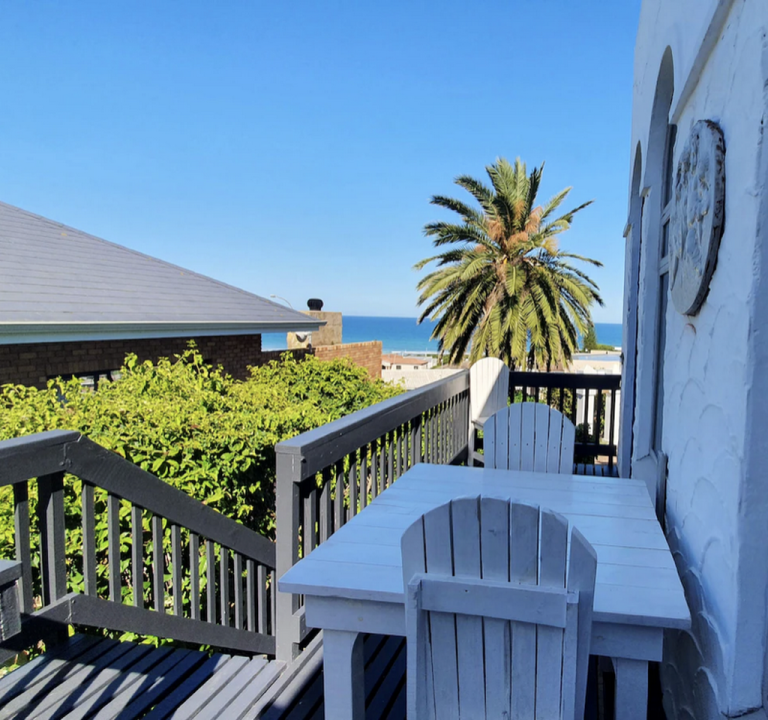
Accommodation in Jeffreys Bay tends to cluster around a few standout zones. The beachfront and nearby coastal pockets are ideal if early morning walks, sunrises over the ocean and easy access to surf spots are priorities. The town centre offers convenient access to shops, cafés and casual eateries, making it a good base for guests who prefer walking or short drives to beaches. Aston Bay and surrounding residential areas provide a more tranquil ambience, often with larger garden plots and a slower pace. When choosing where to stay, consider how you’ll get around: the town is walkable in places, but a car or ride‑hail option is invaluable for visiting beaches a short drive away or exploring the broader region.
Typical amenities across Jeffreys Bay guesthouses, B&Bs and hotels reflect the town’s relaxed character. Expect comfortable bedrooms with clean, bright design, en-suite bathrooms, and thoughtful touches such as private entrances, outdoor seating, and breakfast options that highlight local flavours. Many properties offer free parking, Wi‑Fi, and communal spaces like lounges or small kitchens. For families or groups, self‑catering studios or suites with kitchen facilities can be especially convenient. If you’re after a more boutique experience, seek places that emphasise personalised service, locally sourced breakfast hampers, and hosts who can share insider tips on the best beaches and quiet coves.
Booking tips to help you get the most for your stay:
- Book early for peak seasons, especially during school holidays and over long weekends when demand for beachfront or near‑centre properties rises.
- Check access to surf beaches and whether the property provides beach gear storage or towels if that matters to you.
- Ask about kitchen facilities if you plan to cook, and about on‑site or nearby dining options if you’d rather eat out.
- Confirm parking arrangements, which are important in busy seasons or when staying in central areas.
- Clarify cancellation policies and weather considerations for shoulder seasons, when some attractions may have reduced hours.
Transport around Jeffreys Bay is straightforward but varies with season. A car offers the greatest flexibility to explore the coastline, including the nearby wild coastal reserves, lagoons, and small local towns along the Route 62 corridor. Rideshares and local taxis are available, but keeping your own transport ensures you can catch sunrise surf sessions, late dinners, or a quiet afternoon at a secluded beach without relying on schedules. If you’re visiting for the surfing, many properties are within easy reach of popular breaks, though some beaches can require a short walk or drive to access the best conditions depending on tides and tides and wind patterns.
Best time to visit Jeffreys Bay depends on what you’re seeking. Summer months bring warm, sunny days ideal for swimming and sunbathing, with the town buzzing in holiday seasons. Autumn offers lighter winds and pleasant beach days, often with quieter beaches. Winter can be cooler and breezy, which suits walkers, birdwatchers and those who enjoy dramatic coastal scenery; it’s also a period when off‑season rates may be more attractive. Spring brings a renewal of life with blooming coastal flora and the chance to see local wildlife in nearby reserves. If you’re chasing surfing, late winter to early spring is commonly popular for consistent swells, though conditions can vary year to year.
Beyond the beach, Jeffreys Bay offers a relaxed mix of activities that suit many travellers. You’ll find coastal walks with expansive ocean views, lagoons that attract birds and wildlife, and the opportunity to explore small local galleries and craft shops. For meals, the town’s dining scene ranges from casual cafés serving hearty breakfasts to family‑run eateries offering seafood‑and‑grill favourites. When planning evenings, you can expect plenty of options within a short drive or a pleasant stroll from central accommodation, with menus that reflect the coastal setting and South African hospitality.
Practical tips to help you plan smoothly:
- Pack sun protection, a light layer for cooler evenings, and a reusable bag for beach days, as some shops and beaches promote eco‑friendly practices.
- Water seasons can vary; bring a reusable bottle and be mindful of water use during dry periods in the region.
- Consult local tourism information for current trails, beach safety guidelines, and any seasonal closures or changes to access points.
- If you’re visiting with children, choose accommodation with secure outdoor spaces or easy access to beach-friendly activities.
- Respect local conservation areas and wildlife habitats by following posted guidelines and sticking to approved paths.
For travellers seeking a balanced stay—comfortable accommodation, easy access to beaches, relaxed dining, and opportunities to discover the surrounding coastline and reserves—Jeffreys Bay remains a welcoming and convenient base. Whether you choose a charming guesthouse, a modern seaside apartment, or a cosy inn, you’ll likely leave with memorable coastal moments and a sense of the warm, unhurried South African hospitality that defines this part of the Eastern Cape.