Accommodating a Stay in oThongathi, KwaZulu-Natal: Where to Stay, What to Do, and Practical Planning Tips
oThongathi, a coastal town on KwaZulu-Natal’s north coast, offers a welcoming base for visitors exploring the region’s beaches, wetlands and vibrant town life. Whether you’re seeking a family-friendly guesthouse, a boutique hotel, or a self-catering unit with easy access to beaches and transport links, the area provides options that balance comfort with convenient access to Durban, the surrounding nature reserves, and local eateries. When planning a visit, consider not only where you’ll sleep, but how you’ll move, where you’ll eat, and what you’d like to experience beyond the hotel door.
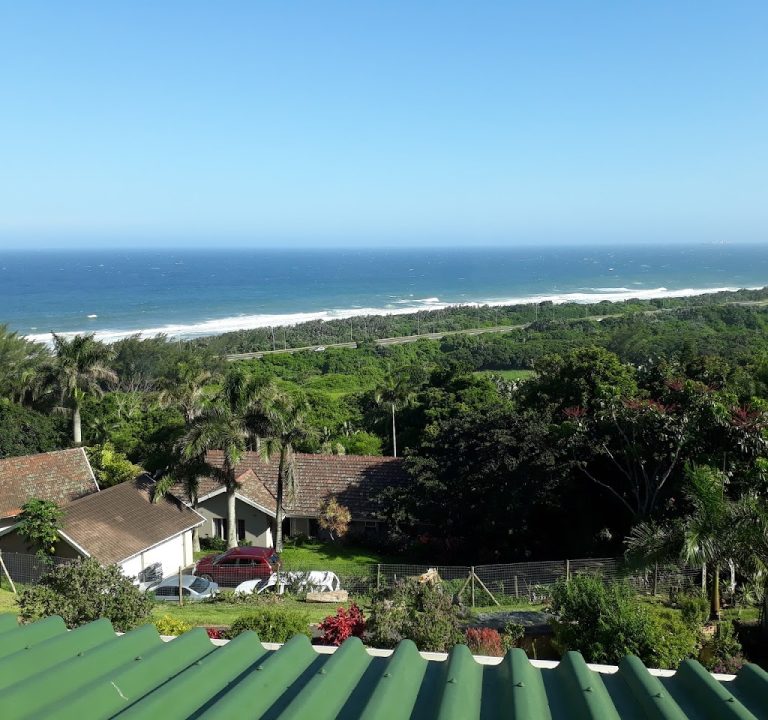
Areas to consider when choosing accommodation include proximity to the coast, the town centre, and major routes. Coastal belts tend to offer quieter stays with sea views and morning strolls along the shoreline, while accommodation closer to town centres can make evenings out and quick errands simpler. If you’re travelling with family or need extra space, look for serviced apartments or guesthouses that provide flexible layouts and self-catering facilities. For a romantic break or a boutique hotel experience, seek properties that highlight local design and personalised service. In all cases, read recent guest reviews to gauge consistency in service, cleanliness and safety standards.
Typical amenities to look for include secure parking, reliable Wi-Fi, air conditioning or fans for KwaZulu-Natal’s warm summers, and clear information on transportation options. A well-equipped kitchen or kitchenette is convenient for longer stays, while guesthouses and hotels that offer on-site dining can simplify evenings after busy days in the sun. If you’re visiting in peak season, confirm whether features such as a pool, shaded outdoor spaces, or a bar open late are available. For travellers with mobility needs, verify accessible public areas, lifts, and level access in rooms and common spaces.
Transport in and around oThongathi hinges on road travel and local taxis. Renting a car provides the most flexibility for exploring the coastline, wetlands at the edge of the town, and day trips to Durban or other KwaZulu-Natal highlights. Between drives, you may find rideshares or local taxi services practical for short hops into the town centre or to nearby eateries. If you’re not planning to drive, choose a location within easy reach of main roads or public transport hubs, and inquire about shuttle options or nearby taxi stands when you book.
Best time to visit oThongathi aligns with the broader KwaZulu-Natal climate. The region enjoys warm summers and mild winters, with the peak tourist period typically being the summer months. Humidity and rainfall increase in the subtropical summer, so plan for occasional showers if you visit in January to March. Winter offers cooler days that are comfortable for exploring local parks and cultural sites. Shoulder seasons can be excellent for quieter streets, lower rates, and pleasant conditions for outdoor activities along the coast and in the surrounding reserves.
When planning activities, start with a mix of light beach days, nature-inspired visits, and cultural experiences. The town is a gateway to coastal wetlands and scenic trails, offering opportunities for birdwatching, easy hikes, and relaxed picnics by the water. A stay in oThongathi can be complemented by day trips to nearby coastal towns, with longer excursions to Durban’s bustling harbour, markets, museums, and waterfront precincts. For food-loving travellers, plan dining experiences around fresh local produce and casual eateries that showcase regional flavours. It is sensible to budget for a few evenings out where you can sample informal dining spots and family-run eateries, rather than only relying on hotel dining rooms. For a cultural perspective, look for local events or centres that highlight KwaZulu-Natal’s heritage and art scenes, which can be a memorable complement to beach days.
Practical tips for a smooth stay:
- Book ahead during peak season and consider flexible rates in case plans shift with weather or travel disruptions.
- Ask your accommodation about transport arrangements, nearby supermarkets, and the best routes to beaches and attractions.
- Check whether the property offers secure parking, late check-in options, and guidance on local safety tips.
- Bring sun protection, comfortable walking shoes, and an adaptor suitable for South African mains power.
- Respect local customs and communities, and support locally owned eateries and shops where possible.
- Plan a mix of activities that suits your pace—quiet mornings by the coast, a nature walk, and a cultural stop can balance the days well.
For inspiration and practical planning, consider exploring general resources on South Africa’s tourism sites, which provide overviews of coastal towns, nature reserves, and suggested itineraries. A stay centred on oThongathi can serve as a relaxing base from which to discover KwaZulu-Natal’s coastline, wildlife areas, and urban highlights with the convenience of nearby Durban’s amenities. Close to Svet Cultural Centre, visitors can enjoy a touch of local artistry and community life, enriching a beach-focused itinerary with a sense of place and culture. Accommodations in this area often provide a thoughtfully curated blend of comfort and access, helping travellers make the most of their time along the KwaZulu-Natal coast.
For further planning ideas and destination context, you may wish to consult official tourism information and regional travel guides as you map out your stay. A well-chosen base in oThongathi can make a coastal escape both easy and enjoyable, with room to unwind after days spent exploring beaches, nature, and neighbourhoods that reveal KwaZulu-Natal’s warm hospitality.