Accommodation and Experiences in Port Edward, KwaZulu-Natal
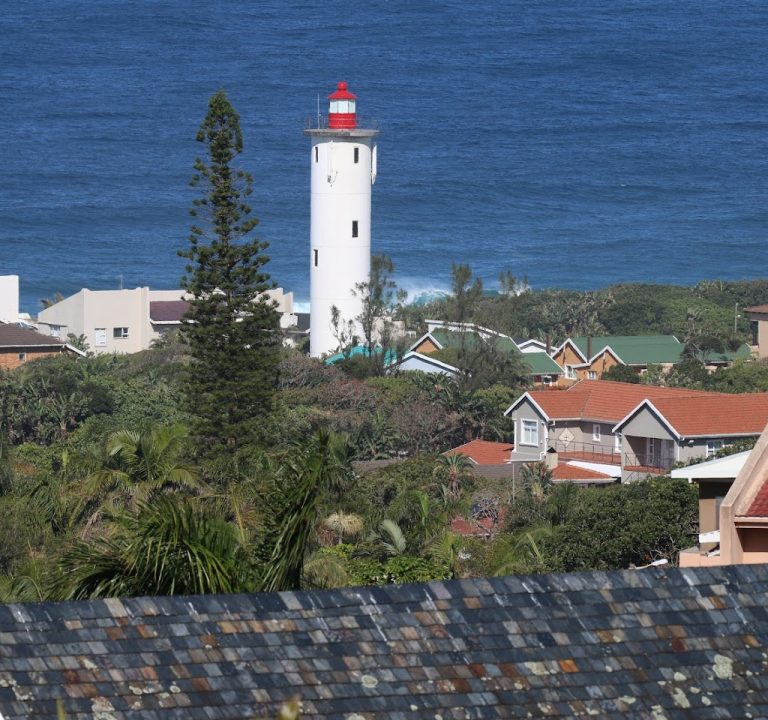
Port Edward sits on the KwaZulu-Natal coast with a gentler pace than some of the better-known holiday hotspots, making it ideal for a relaxed short break or a longer nature-focused stay. The town’s shoreline, river estuaries and surrounding nature reserves provide a variety of options for visitors looking for comfortable stays paired with easy access to outdoor activities. When planning a trip, consider both beachfront stays for easy sea access and inland options that put you closer to hiking trails and quieter scenery.
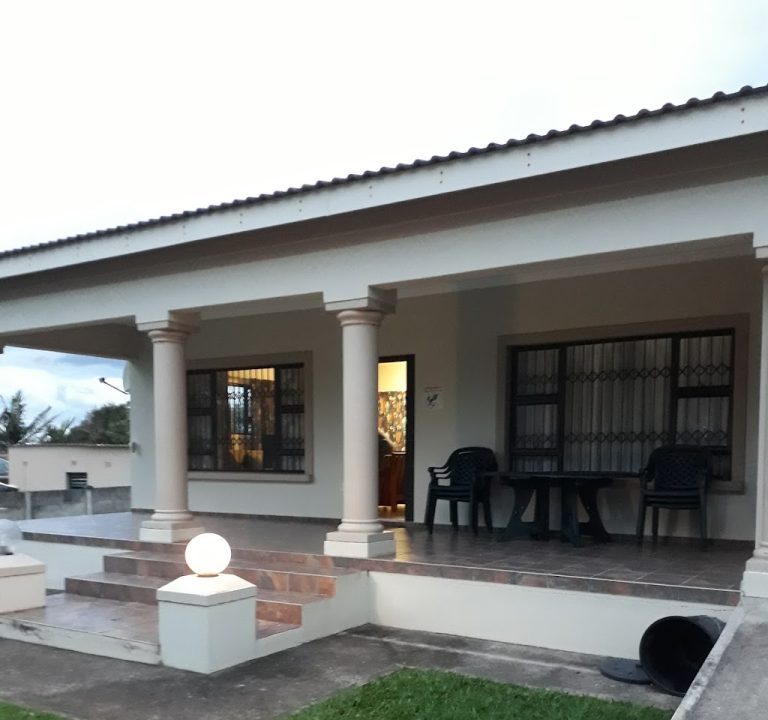
Accommodation in Port Edward ranges from guesthouses and BnBs to small boutique hotels and self-catering cottages. Many options emphasise a friendly, homely atmosphere and practical conveniences such as on-site parking, Wi‑Fi, en-suite bathrooms, and secure access. Look for hosts who offer thoughtful touches like breakfast provisions, local travel tips, and information about easy day trips to nearby attractions. If you are travelling with family or a group, self-catering or apartment-style units can provide extra space and flexibility without compromising comfort.
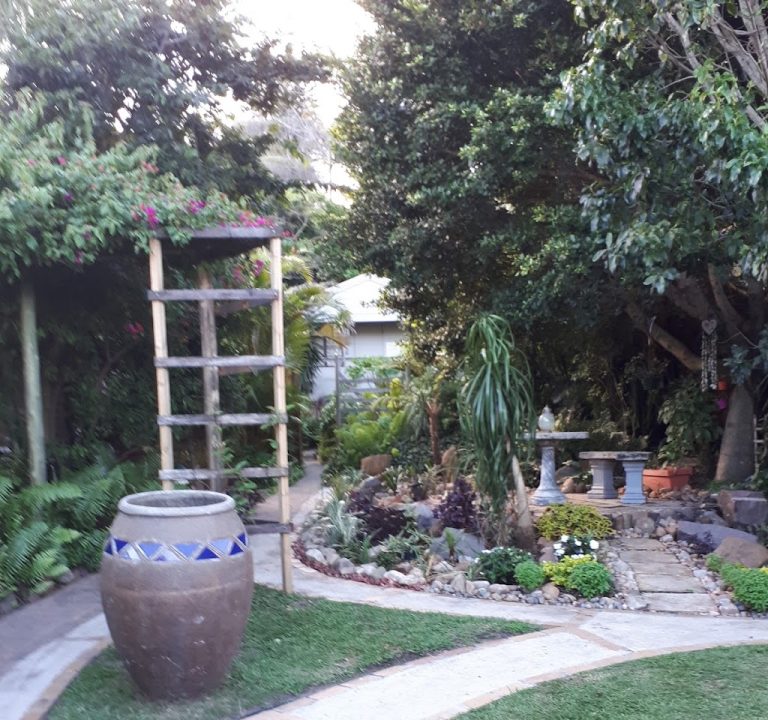
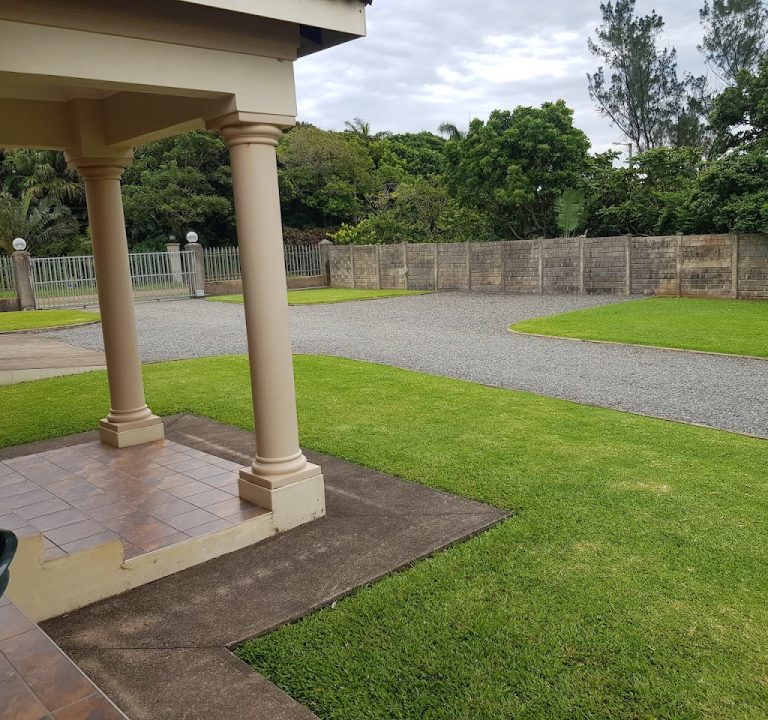
When choosing where to stay, think about proximity to the coast versus inland spots. Beachfront and near-beach properties reduce travel time to the main swimming and snorkelling areas, while inland lodgings can offer a quiet base with easy access to nature trails and river walkways. It’s worth checking the availability of facilities such as private or communal outdoor spaces, outdoor showers for courtesy rinses after a day on the sand, and laundry services if you’re staying for a while. For those with mobility considerations, confirm ground-floor access and elevator options where needed, and inquire about reserved parking.
Typical amenities you may encounter include comfortable beds with quality linens, tea- and coffee-making facilities, ensuite bathrooms, and often a small lounge or communal kitchen area. Some properties provide kitchenettes or full kitchens for self-catering, which is convenient for families or guests on a longer stay. A few establishments may offer guided tours or help arranging local experiences such as nature walks, boat trips, or wildlife-viewing excursions. Before booking, review cancellation policies and reflect on how flexible the accommodation is for changes in travel plans.
Transport in Port Edward is usually car-centric. The town sits along the N2 corridor, and most visitors hire a car to explore the area and day-trip to nearby attractions. If you’re not driving, check whether your chosen accommodation can arrange transfers or recommend trusted local operators. Public transport is limited in the region, so a vehicle often gives you the freedom to explore coastal beaches, coastal towns, and inland nature reserves at your own pace.
The best time to visit Port Edward depends on the experience you want. Summer (roughly November to February) brings warmer seas and longer days, ideal for beach activities and water-based fun. Winter (June to August) remains mild by European standards, with cooler evenings and a lower chance of heavy rainfall, which can be pleasant for hikes and scenic drives. The region’s subtropical climate supports a long season for outdoor pursuits, but always be prepared for sudden showers during the warmer months. For quiet beaches and fewer crowds, consider shoulder seasons when prices may be more favourable and the landscape feels more intimate.
When planning an itinerary, a balanced mix of nature, relaxation and coastal dining works well. Suggested activities include coastal walks along the shore, river strolls, and visits to nearby nature reserves or conservation areas. For a broader day trip, you can explore additional coastal towns or scenic viewpoints along the KwaZulu-Natal coast. In Port Edward itself, rather than focusing on a single attraction, the emphasis is on enjoying the surroundings and choosing activities that suit your pace and interests.
Practical tips to help you maximise your stay:
- Book accommodation with clear photos and honest descriptions, and read recent guest reviews to gauge cleanliness and consistency.
- Check what is included in your rate (breakfast, self-catering provisions, daily housekeeping) and whether there are any extra charges for utilities or parking.
- Ask about on-site facilities such as pool access, laundry, and secure parking, and confirm access times if you plan late arrivals.
- Plan a flexible itinerary. Local days can include a mix of beach time, nature walks and casual meals at family-friendly eateries.
- Pack practical beach essentials, light layers for cooler evenings, and a universal adaptor if you bring electronics.
Finally, seek out local dining options that emphasise fresh seafood and seasonal produce. Coastal restaurants typically offer relaxed, family-friendly menus with a variety of flavours inspired by the region. While specific restaurant names and prices vary, you can expect a range of casual cafes and eateries where you can enjoy quick lunches or leisurely dinners after a day outdoors. For planning ease, many accommodation providers and visitor information sites link to current local recommendations and seasonal highlights, helping you refine where to dine and what experiences to prioritise during your stay.