Staying in Cape Town: accommodation, areas to consider, and practical planning tips
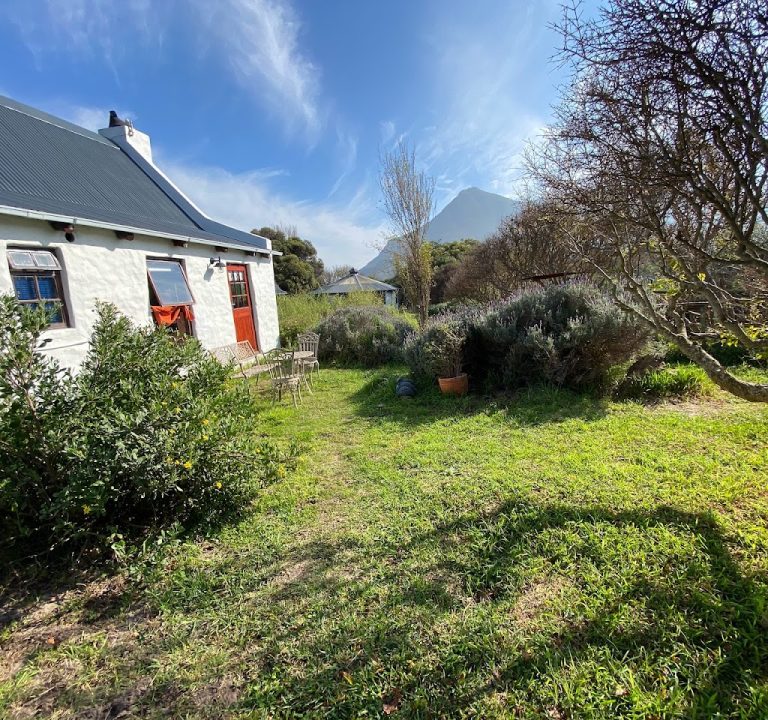
Cape Town offers a diverse mix of places to stay, from chic city boutiques to coastal guest houses and wine‑country lodges just beyond the Atlantic coast. When planning a visit, consider both the neighbourhood character and the type of stay you favour—whether you want easy access to restaurants and nightlife, peaceful sea views, or a base close to hiking trails and outdoor adventures. For Sunset Cottage in Noordhoek, a coastal village on the western edge of the Cape Town metropolitan area, guests typically enjoy a relaxed, family‑friendly atmosphere with riding trails, nature reserves, and long sandy beaches nearby.
Accommodation options and what to look for when booking
Budget and style vary widely in Cape Town. If you seek character and personal touches, a guest house or boutique B&B can offer a friendly, home‑from‑home feel with breakfast included and hosts who can tailor local tips. For a more self‑contained feel, boutique hotels and self‑catering cottages provide privacy and flexibility, often with kitchen facilities and separate entrances. In coastal areas such as Noordhoek, Kalk Bay, and Hout Bay, guest houses and small hotels frequently sit close to the beach or harbour, with scores of outdoor activities within easy reach.
Key things to check before booking include:
- Location relative to the sights you plan to visit and the time you want to allocate for travel each day
- Type of room and available amenities such as ensuite bathrooms, Wi‑Fi, parking, and access to outdoor spaces
- Breakfast arrangements, and whether other meals are offered or nearby dining is convenient
- Notes on transport access, including proximity to main bus routes, train lines, or taxi/ride‑hailing options
- House rules for shared spaces if booking a guest house with communal areas
Typical amenities you might encounter include free Wi‑Fi, air conditioning or ceiling fans, heating for cooler months, secure parking, laundry facilities, and in some cases, a pool or outdoor terrace. Sunset Cottage‑ Noordhoek, as a guest house, is likely to offer a homely atmosphere, convenient parking, and an inviting outdoor area where guests can sip morning coffee while listening to birdsong and taking in the natural surroundings. Always verify breakfast arrangements, housekeeping schedules, and late‑arrival policies when booking.
Neighbourhoods to consider
- City Bowl and the V&A Waterfront: easy access to museums, galleries, top restaurants, and nightlife, with convenient hop‑on hop‑off tours and strong transport links.
- Gardens and Clifton/ Camps Bay: scenic coastal routes, sea views, trendy eateries, and a resort‑style atmosphere close to the Atlantic coastline.
- Noordhoek and Kommetjie: laid‑back coastal villages with endless beaches, horseback riding, and hiking trails; great for longer stays with a tranquil pace.
- Constantia Valley: winery routes and countryside ambience while remaining a short drive from the city centre and Table Mountain National Park.
- Roeland Street and Tamboerskloof: residential areas with a local flavour, walkable routes to cafes, markets, and museums.
Transport and getting around
Cape Town’s geography means planning transport is helpful. If you stay near the city centre or the V&A Waterfront, you can walk to many attractions or use ride‑hailing services for longer hops. For coastal and rural areas such as Noordhoek, Kalk Bay, or Constantia, a car is typically the most convenient option, giving you flexibility to explore beaches, scenic drives, and nature reserves at your own pace. Some guest houses offer shuttle services or can arrange private transfers, which can simplify logistics after a day of touring Table Mountain or the Cape Winelands.
Best time to visit and practical tips
Cape Town’s climate is generally mild with a winter rainfall pattern. The summer months (December to February) bring warmer weather ideal for beach days and outdoor dining, while spring (September to November) and autumn (March to May) offer pleasant temperatures for hiking and sightseeing with fewer crowds in some areas. Winter (June to August) can be cooler and wetter, which is perfect for museum visits, cafés, and wine tastings in sheltered venues. Pack layers, a light waterproof layer, and adaptable footwear for rocky trails or beach walks.
Practical tips for a smooth stay include pace planning to avoid peak traffic times when visiting popular sites, reserving dining or winery experiences in advance during high season, and recognising that some smaller guest houses or coastal properties have limited reception hours. It’s wise to check cancellation policies, particularly for bookings made well in advance or during peak periods. If you have specific accessibility needs, confirm room configurations, access routes, and parking options in advance to ensure a comfortable stay.
Local experiences and dining considerations
Beyond the room, Cape Town offers a wealth of experiences that suit varied tastes. Guided hikes up iconic viewpoints, coastal walks along the peninsula, and scenic drives to the Winelands are common day plans. In terms of dining, expect a lively scene with diverse flavours reflecting South Africa’s culinary heritage. Many areas offer a range of restaurants from casual cafés to fine dining, with options focused on fresh seafood, seasonal produce, and modern twists on traditional dishes. Booking ahead for popular spots is prudent, especially in peak travel periods.
In summary, a well‑planned stay in Cape Town can be a balanced blend of comfortable accommodation, scenic surroundings, and easy access to both nature and culture. Whether you favour a cosy guest house such as Sunset Cottage in Noordhoek or a stylish city base, thoughtful choices about location, amenities, and transport will help you make the most of your visit to the Western Cape.