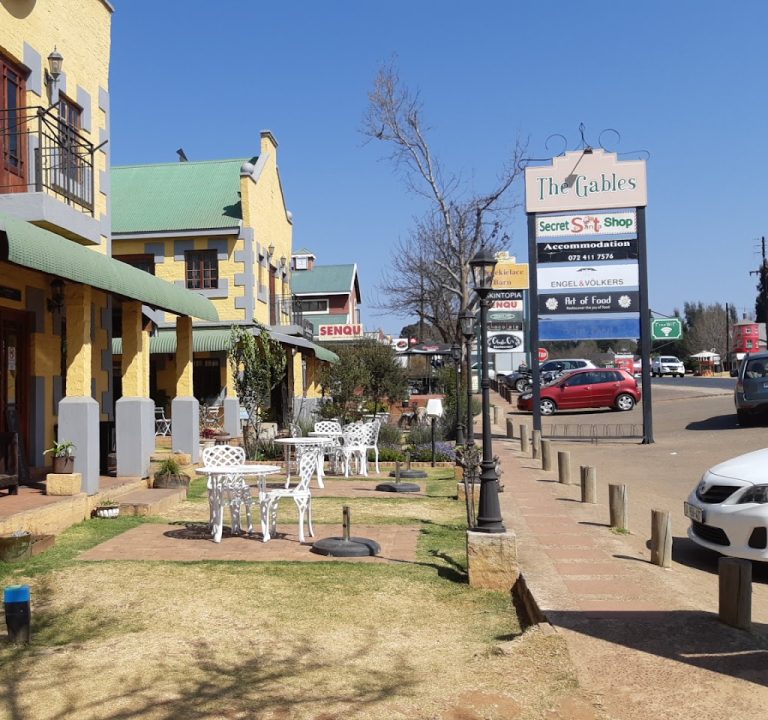
A stay in Dullstroom: where to base yourself and what to do
Set high among the rolling hills of Mpumalanga, Dullstroom offers a serene backdrop for a relaxed rural break, with the occasional splash of colour from rainbows of flowers and the glint of trout-filled streams. The village is well known for its birdlife, fly-fishing heritage and a pleasant mix of rustic accommodation and modern comforts. When planning a visit, think about where you want to base your stay, what you want to do each day, and how you’ll get around the area to make the most of your time in this scenic corner of South Africa.
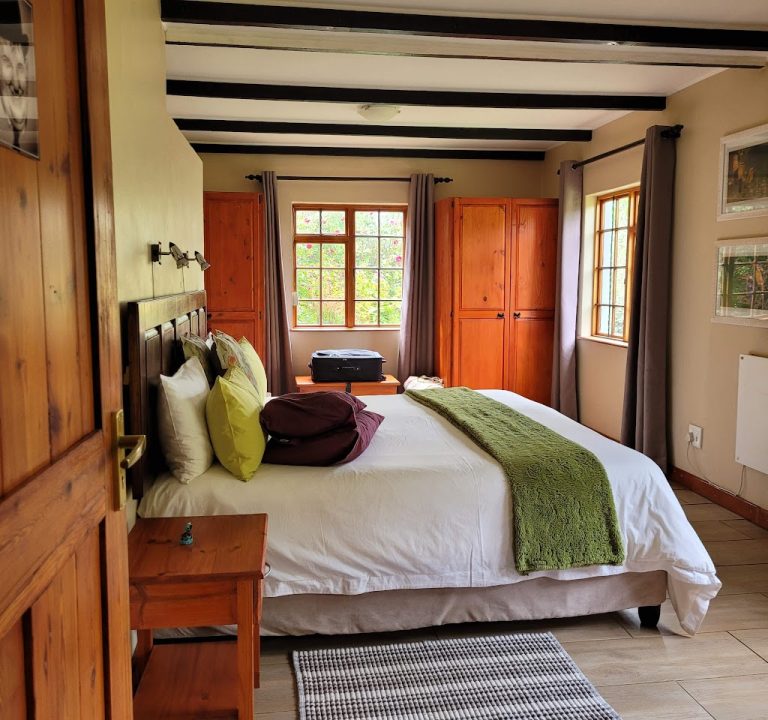
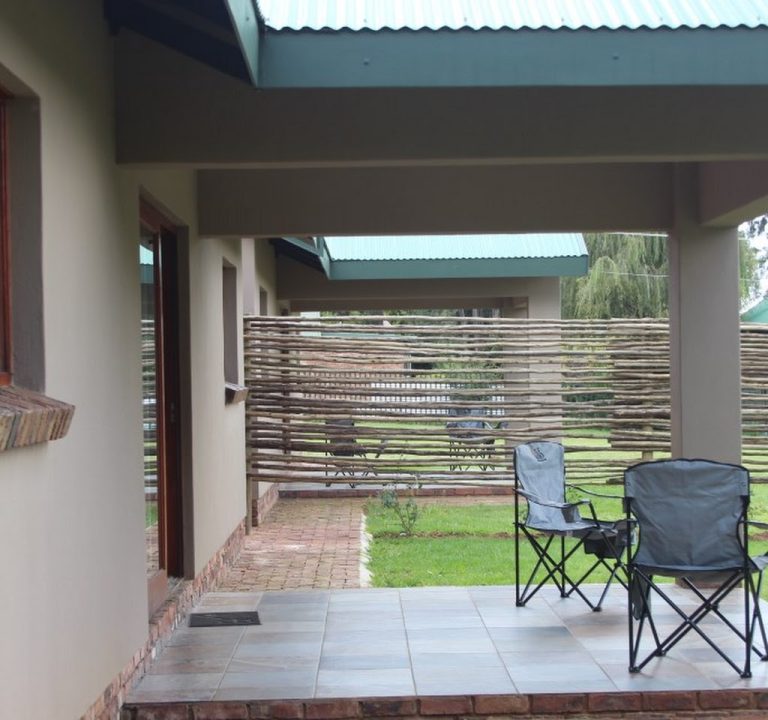
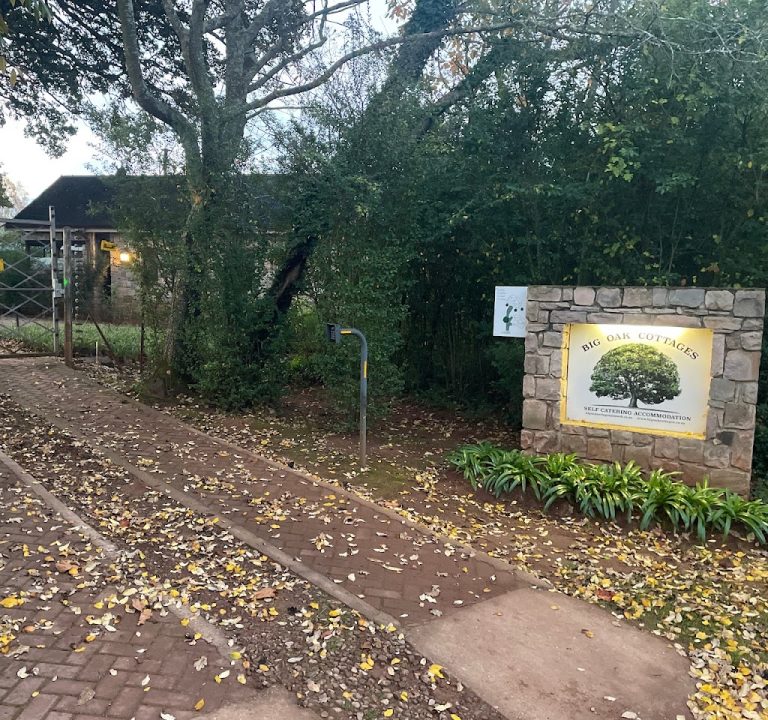
Accommodation in Dullstroom comes in a variety of styles, from cosy self-catering cottages tucked into farmland to boutique guesthouses and larger lodges on the edge of the village. Self-catering cottages, such as Suikerbekkie Self-Catering Cottage, represent options that give you flexibility for family or group trips, with kitchens or kitchenettes, living spaces and often private outdoor areas. If you prefer a more managed experience with daily housekeeping and on-site facilities, a guesthouse or lodge may suit you better. When choosing where to stay, consider the following:
- Size and layout: ensure the accommodation can comfortably house your party, with adequate bedrooms and bathrooms.
- Location: proximity to the centre of the village, fishing spots, nature trails, and a selection of cafés and eateries can save travel time.
- Facilities: check for essentials such as heating for cool evenings, adequate kitchen equipment for self-catering, and parking if you’ll have a car.
- Pet policies: if you’re travelling with a dog or other pets, confirm whether the property allows animals and any associated restrictions.
- Booking flexibility: read cancellation policies and any minimum stay requirements, especially during peak periods.
In terms of roughly where to stay, consider these general areas within and around Dullstroom. The village centre is convenient for those who want walking access to shops, eateries and a livelier street atmosphere. For a quieter escape, look at rural lanes and countryside surrounds a short drive from the town, where scenery and birdsong become the daily rhythm. If you’re chasing access to fishing spots or walkable trails, ask about properties near the Gladdespruit or other noted streams and nature paths, as proximity can shorten drives and maximise time outdoors.
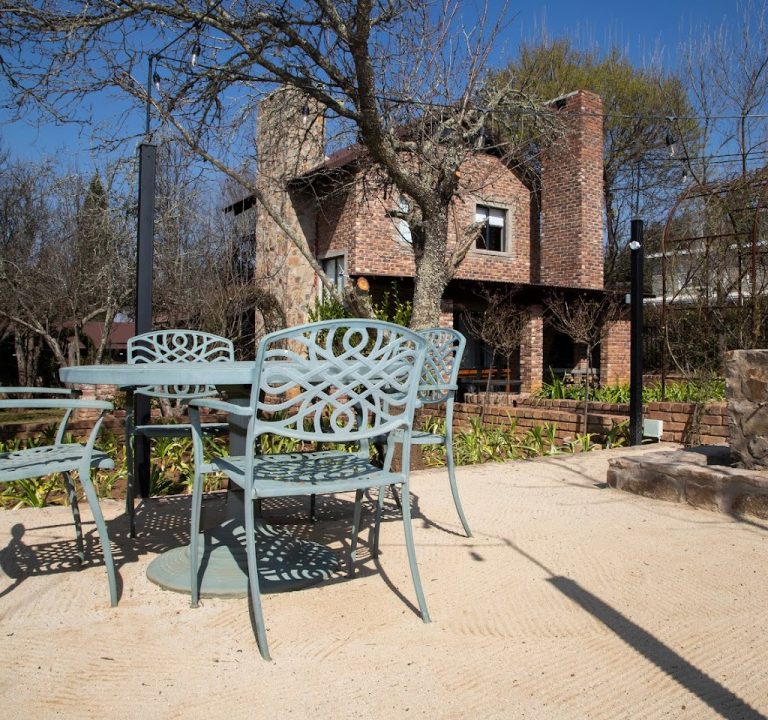
Typical amenities you might expect include comfortable bedrooms with heating or underfloor heating, well-equipped kitchens or kitchenettes, and living spaces that encourage downtime after a day spent outdoors. Wi-Fi varies by property, so if you need reliable connectivity for work or streaming, check this in advance. Outdoor spaces are a big draw here—patios, braai (barbecue) areas and garden benches offer opportunities to soak up the mountain light and fresh air. Some properties may provide bicycles, fishing gear, or guided activity suggestions, so it’s worth asking the host or landlady about what is available on-site or nearby.
Transport in Dullstroom is typically car-based. A hire car gives you the freedom to explore the surrounding nature reserves, trout streams and scenic viewpoints at your own pace. If you’re relying on local transfers, verify the distance to the village centre and whether particular properties offer shuttle arrangements. Roads in and around Dullstroom are generally well maintained, but rural lanes can be narrow and winding, so plan your driving with extra time in case of wildlife or cyclists along the way.
The timing of your visit can shape your experience. Dullstroom’s highland climate brings cool to cold evenings, even in summer, making a warm bed and a hot meal very appealing. Winter can be crisp and sunny, ideal for a cosy escape with fires or wood-burning stoves. Spring and autumn offer milder days and dramatic skies, which can be ideal for birdwatching and short walks. For fishing enthusiasts, the trout season dictates some of the best times to be out on the water, while summer festivals or farmers’ markets can add a dash of colour and local flavour to your itinerary. Always check the local event calendars and weather forecasts before you travel so you can plan outdoor days accordingly.
When planning daily activities, consider a mix of outdoor pursuits and restorative downtime. Possible experiences in the area include gentle nature walks along marked trails, fly-fishing on nearby streams, and exploring the surrounding farms and rolling hills by car or bicycle. For meals, Dullstroom offers a range of eating options from laid-back cafés to more refined seasonal dining rooms. Rather than focusing on specific names or claims, look for places that emphasise fresh, well-sourced ingredients and a relaxed atmosphere that suits the pace of a rural break.
Practical tips to help you enjoy a smoother stay:
- Pack layers: temperatures can swing from day to night in the highlands.
- Smart leisurely planning: plan one major outdoor activity per day and leave flexible time for spontaneous discoveries.
- Bring cash for small shops or markets where card payment might not be available.
- Respect local wildlife and preserve the quiet, scenic character of the area.
- Check accessibility and on-site facilities if you have specific needs or mobility considerations.
Whether you’re drawn to the tranquillity of a countryside cottage, the hospitality of a guesthouse, or the self-sufficient convenience of a self-catering option, Dullstroom offers a balanced base from which to explore Mpumalanga’s highland charm. With careful planning—focusing on location, facilities, and the kind of pace you want—your stay can be comfortably enjoyable, and you’ll return refreshed, with memories of misty mornings over green pastures and the peaceful sound of distant birdlife.