Accommodation and Experiences in Bela-Bela, Limpopo: A Practical Guide for Visitors
Bela-Bela, often known by its nickname “Warm Baths,” sits at the gateway to the Waterberg region in Limpopo. It combines convenient access to nature with a range of stay options suited to different budgets and itineraries. Whether you’re after a cosy guesthouse, a lodge with a touch of luxury, or a self-catering stay close to the town’s amenities, there are choices to suit every traveller. Planning a stay in Bela-Bela means balancing comfortable accommodation with easy access to outdoor activities, spa experiences, and nearby wildlife encounters.
When deciding where to stay, consider the areas around Bela-Bela. The central town area provides quick access to shops, eateries and the famed hot springs, while surrounding routes offer a slower pace and lush scenery. If you’re driving, a location that provides straightforward routes to the Waterberg region makes day trips and early starts more convenient. For those seeking quiet immersion, look for guesthouses or smaller lodges tucked away along tree-lined streets or in small residential enclaves near nature reserves.
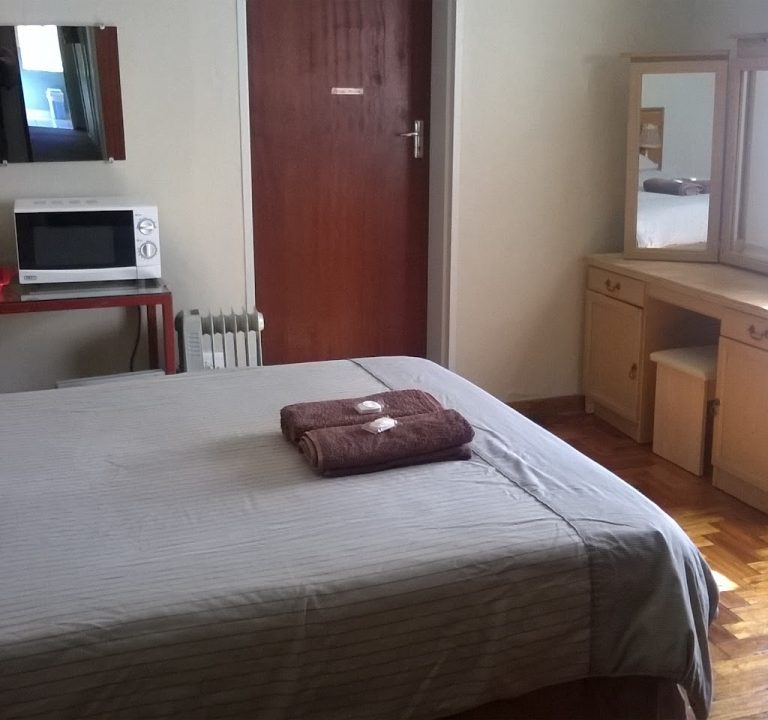
Accommodation in Bela-Bela ranges from guesthouses and bed-and-breakfasts to mid-range hotels and family-friendly lodges. Booking decisions often hinge on factors such as privacy, breakfast offerings, swimming facilities, and on-site parking. A good rule of thumb is to request photos or a virtual tour to gauge room layouts and communal spaces, and to verify what is included in the rate (for example, whether breakfast is self-serve or included, and whether activities or spa facilities carry additional fees). If you’re travelling with kids or a group, look for family rooms or apartment-style units with private entrances and kitchenettes.
Typical amenities you might expect include en-suite bathrooms, secure parking, shaded outdoor seating, and reliable Wi-Fi. Pools and outdoor braai (barbecue) areas are popular with families and groups looking to unwind after a day of exploration. If you enjoy spa-style relaxation, check whether your accommodation offers access to hot baths or partnerships with nearby spa facilities. Some venues provide guided activities or sundowner packages, which can be a convenient way to cap off a day in the bushveld.
Transport options in Bela-Bela are straightforward. If you’re hiring a car (the most flexible option for exploring the Waterberg and its surrounds), you’ll appreciate clearly signed routes and ample parking at most guesthouses and lodges. For travellers relying on public transport, plan ahead as services can be infrequent outside town centres. When staying in a more rural guesthouse or lodge, confirm how far the property is from town and whether transfers or local taxis are available if needed. A map or GPS coordinates from your host can be invaluable for navigating less well-marked routes.
The best time to visit Bela-Bela depends on what you want from the trip. The region experiences warm summers and cooler winters, with the Waterberg’s landscapes taking on a dramatic character in the dry season. For wildlife watching and outdoor activities, the cooler months often offer more comfortable conditions for long days outdoors. If you’d like to combine time in the springs with outdoor excursions, plan a few flexible days so you can tailor your schedule to weather and wildlife sightings. For those seeking vibrant colours and quieter trails, shoulder seasons can offer a balanced experience with fewer crowds.
Attractions in and around Bela-Bela are varied and easy to weave into a relaxed itinerary. The town is known for its thermal springs, which provide a soothing contrast to visits to nature reserves, wetland areas, and scenic viewpoints. Nature lovers may enjoy walks and gentle hikes in nearby reserves or along riverbanks, while families often favour places with safe outdoor play spaces and opportunities to observe birds and small mammals. Day trips to nearby reserves or protected landscapes can be planned to suit early starts and relaxed afternoons back in town for meals and spa time.
Dining options in Bela-Bela tend to be informal and family-friendly, with cafés and taverns offering a mix of light meals and hearty local dishes. Restaurant choices generally focus on comfort food, grilled favourites, and seasonal produce, with many venues welcoming children and offering outdoor seating. If you’re staying in a guesthouse or lodge, some hosts may provide breakfast or recommend nearby eateries, which is a convenient way to sample local flavours without the hassle of constant planning. Websites and guest reviews are helpful for gauging atmosphere and value before you go.
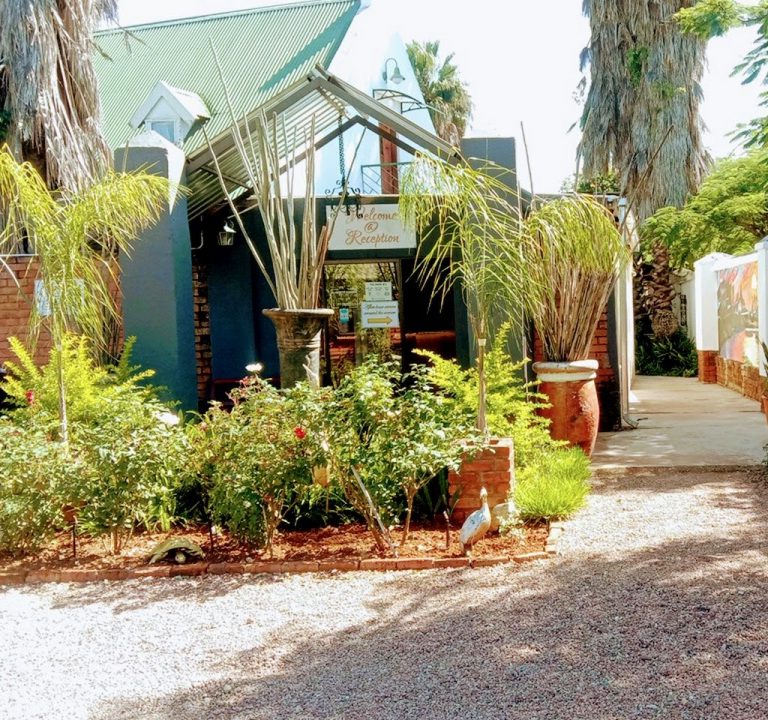
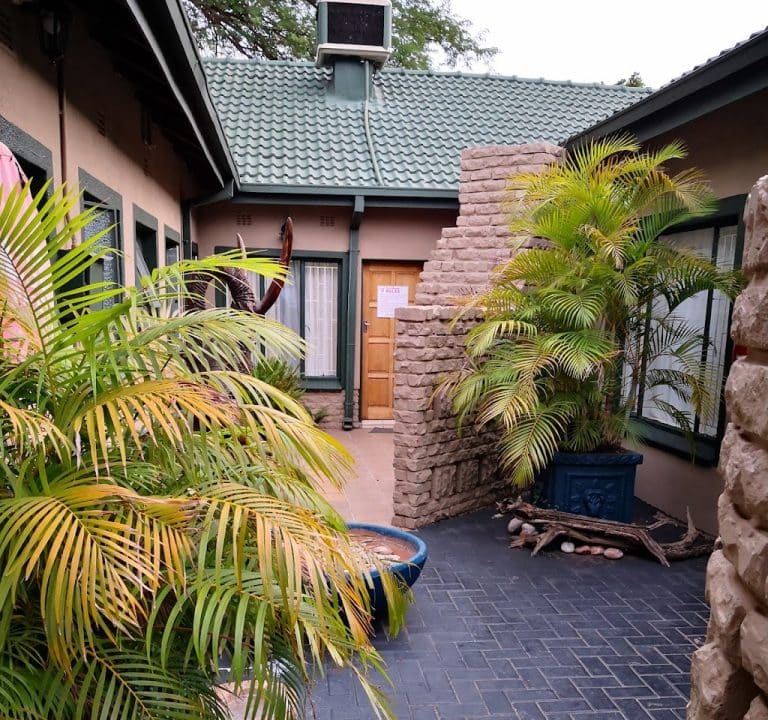
For those seeking a named stay with a defined identity, the Strelitzia Guest House is one example of Bela-Bela’s hospitality scene. It presents a guesthouse experience that emphasises comfort and a home-away-from-home feel. You can learn more about this option through its official site: Strelitzia Guest House.
- Book in advance for peak seasons and school holidays to secure preferred rooms and rates.
- Ask about breakfast options, on-site parking, and accessibility features if needed.
- Request local tips from your host for the best short drives, viewpoints, and dining spots.
- Pack layers for varying temperatures and bring insect repellent for outdoor activities.
Planning a stay in Bela-Bela is about balancing restful downtime with opportunities to explore the Waterberg region and its surroundings. By choosing an accessible base, considering the amenities that matter most to you, and allowing time for spontaneous outdoor adventures, you can craft a memorable visit that blends relaxation with gentle adventure. Whether you opt for a traditional guesthouse, a lodge with a touch of luxury, or a self-contained retreat, Bela-Bela offers a welcoming gateway to Limpopo’s natural beauty and warm South African hospitality.