Accommodation Planning and Local Experiences in Jeffreys Bay, Eastern Cape
Jeffreys Bay, a popular coastal town in the Eastern Cape, offers a blend of laid‑back beach culture and characterful places to stay. When planning a visit, it’s useful to think about which area suits your style, whether you are chasing surf, family downtime, or a quiet coastal escape. Accommodation ranges from guest houses and boutique lodges to self‑catering apartments and well‑appointed beachfront hotels. Look for properties that emphasise comfort, hygiene, and easy access to the shoreline, as well as hosts or managers who can offer local tips for a memorable stay.
One of the enduring appeals of Jeffreys Bay is its diverse geography. The town centre and the Point area sit within easy reach of shops, cafés and a vibrant local scene, while the northern and beachfront zones provide close proximity to long sandy beaches and ocean views. If you prefer a quieter base with easy beach access, a property a short stroll from the shore can cut down on parking and transit time. For those who want a more social atmosphere, look for guest houses or boutique hotels nearer the town centre, where you can sample a mix of dining options and casual activities after a day on the coast.
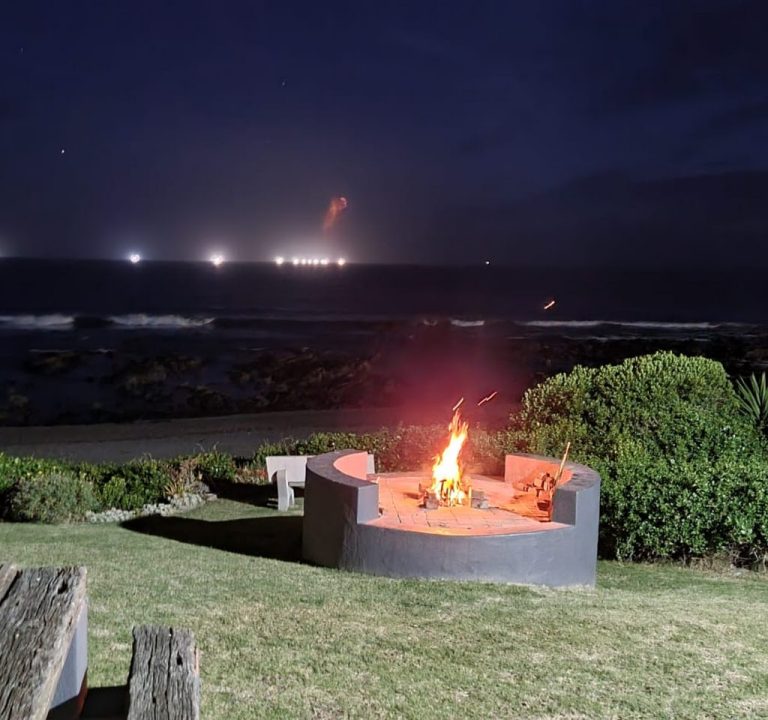
Typical amenities to look for when booking include private or en‑suite bathrooms, dependable Wi‑Fi, secure parking, and clear information about accessibility and local transport links. Self‑catering options can be particularly convenient for families or groups, with kitchens or kitchenettes that are well equipped for quick meals after a day at the beach. If you are visiting during peak season, confirm check‑in times and whether luggage storage or late arrivals can be accommodated. Some properties offer added touches such as outdoor spaces, shaded parking, or communal lounges where guests can mingle and share local tips.
Transport is straightforward in Jeffreys Bay. A car is often the most convenient way to explore the wider coastline and nearby nature spots, but it is also feasible to rely on local taxis or ride‑hailing services for shorter trips to beaches, restaurants, and shops. If you plan to stay near the beachfront, you may find it easier to walk to the main surf breaks and coastal paths. When budgeting, consider the distance to the town centre and the time needed to reach the best beaches during peak sunlight hours, especially in the busy summer season.
Best time to visit Jeffreys Bay tends to be during the warmer months when water temperatures rise and the beaches come alive with surfers and families. The town can be busy during school holidays, so early booking is advised for preferred options and rooms with sea views. Outside peak season, you will generally find quieter beaches, lower rates, and a more relaxed pace, which suits visitors seeking long walks, wildlife sightings, and slower meals in local eateries.
Practical planning tips for travellers include reading recent guest reviews to gauge cleanliness and service quality, checking cancellation policies, and confirming the proximity of your chosen stay to key attractions. Pack for the coastal climate: sunscreen, a light layer for cooler evenings, and a swimsuit or two for spontaneous swims after a day on the sand. If you are staying near the Point or beachfront, bring a quick‑dry towel and a waterproof bag for beach trips. For families, ask about child‑friendly facilities such as cots, high chairs, or play areas, and whether the property can provide a mini‑bucket list of local activities suitable for different ages.
When it comes to attractions and experiences, Jeffreys Bay offers more than just a great coastline. Visitors can enjoy long, clean beaches ideal for swimming and strolling, coastal walks with scenic viewpoints, and opportunities to observe wildlife along sheltered lagoons. Surfing remains a defining draw, with many guests preferring to watch or join guided sessions at nearby breaks. For a broader experience, consider exploring nature trails, markets, and galleries that showcase regional arts and crafts. Dining experiences tend to span casual seafood shacks, modern bistros, and family‑friendly eateries, with a focus on fresh ingredients and local flavours. If you are looking to supplement your stay with a local experience, ask your host or accommodation provider for recommendations on beginner lessons, guided walks, or day trips to nearby coastal reserves and towns.
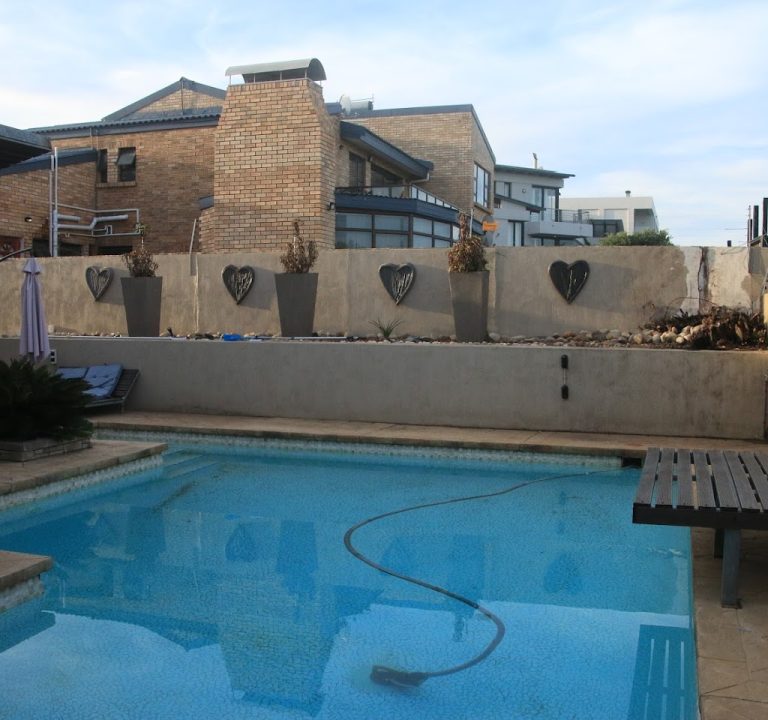
One example of the hospitality landscape you might encounter is a guest house styled for traveller comfort, often offering a personalised welcome and insight into the area. Such properties typically provide a sense of community while ensuring guests have privacy, comfortable beds, and convenient access to the Atlantic beaches. When staying in a guest house or boutique inn, you can expect hosts who are enthusiastic about sharing their knowledge of the region, including practical tips for navigating travel to and from the coast.
- Areas to consider: beachfront/Point for proximity to sea views, town centre for convenience and dining, or quieter northern bays for a peaceful stay.
- Booking considerations: cancellation policy, minimum stay during peak periods, check‑in flexibility, and parking arrangements.
- Practical extras to look for: strong Wi‑Fi, private bathrooms, self‑catering facilities, and clear information on local transport.
For travellers seeking a specific example of accommodation in the area, you may come across guest houses described as comfortable bases for exploring Jeffreys Bay. While individual styles differ, the best options consistently prioritise guest satisfaction, convenient access to the water, and a welcoming environment that helps you settle in quickly after a day of activities. Websites and travel guides can provide current listings and bookings, including properties that align with your preferred vibe, whether that is modern and bright, cosy and traditional, or stylishly coastal.